Commercial Roofing in Antioch, CA
A public-building roof assigned in Antioch needs a correction that facilities staff can explain alongside the room restrictions below it. We inspect and repair commercial membrane and metal roofing, assess restoration or recovery where appropriate and define replacement where the condition calls for it. A penetration opening may look limited while its supporting layers and equipment responsibility add work. We connect those findings to the building calendar before a roof opening becomes another interruption above the affected room.
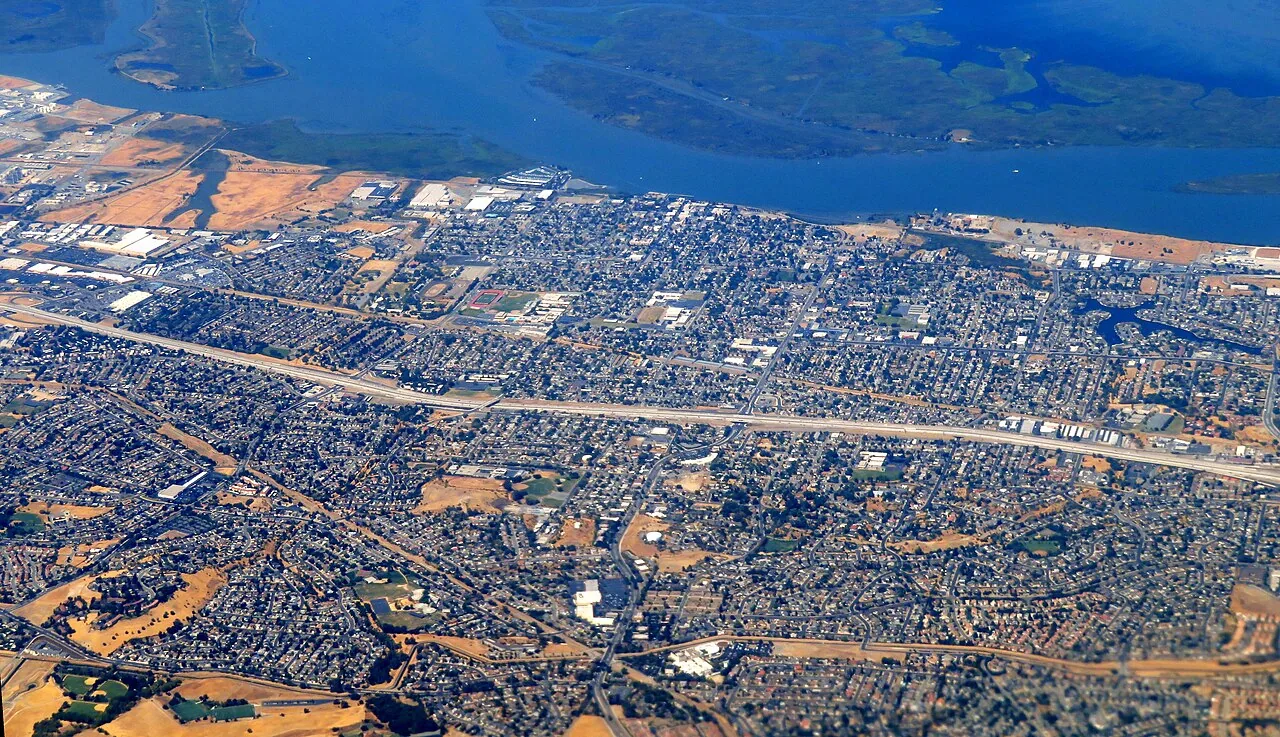
Antioch summers regularly exceed 90 degrees, which puts repeated heat cycles on exposed seams and fasteners. Along State Route 4, delivery and lift staging need to fit the property’s traffic plan. We inspect the actual assembly before selecting a repair.
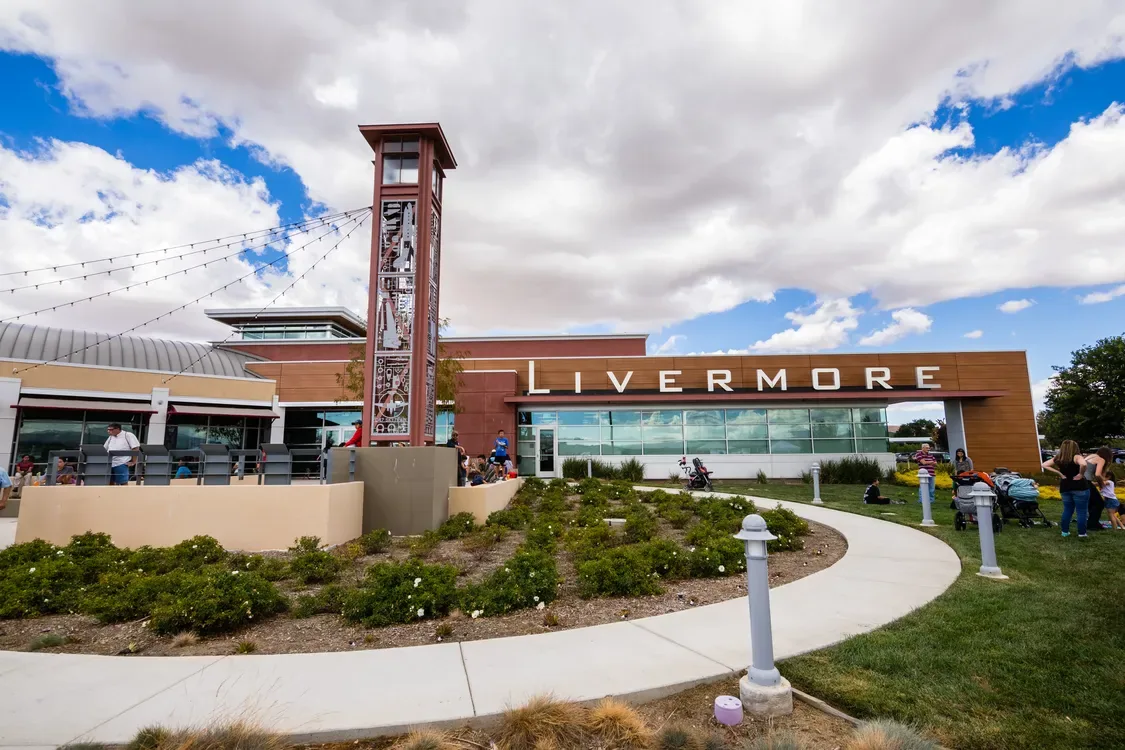
Antioch Library and Prewett Library serve different parts of the city. For roofing work, confirm which facility and roof section is in scope before arranging access. Our commercial roofing work from Concord, CA includes Antioch properties assessed individually. Tell us which interior space matters, who authorizes access and what dates are useful. We can then develop investigation, temporary protection and permanent reconstruction against the actual assembly and operator requirements.
Examine the penetration beyond its top seal
A split at the base of a vent or skylight can involve flashing, adjoining field material or the support holding the detail. We inspect those interfaces before proposing another exterior compound. Surface sealing may limit exposure temporarily without rebuilding a damaged connection below. The permanent recommendation identifies the useful retained material and the accessory needed to join it. An equipment or glazing task can require another trade, which should be settled while the existing opening remains protected.
Our repair of commercial roof penetration details separates the weather connection from the component's own condition. A building in Pittsburg receives its own detail assessment rather than the same accessory choice. We examine older patches and the geometry available for reconstruction. The facility director sees why cleaning, removal or supporting repair is required before installation. That preparation gives procurement a defined task and lets the room plan develop before an opening is expanded above an occupied space.
Make room protection a construction requirement
Debris handling above a ceiling can affect an occupied route even when the exterior patch is small. We review that route, interior concerns and a secure stopping point with the responsible contact before removal. Appropriate building personnel address electrical or ceiling safety. The roofing work follows those established restrictions, including equipment adjustments needed to reach or reconstruct the detail. What remains accessible at the pause? We answer that with the operator rather than let the roof area alone determine the interruption.
With roof construction coordinated above public interiors, temporary protection is planned for the actual exposure. For a municipal roof work assignment, the building contact confirms keys and escorts or other access instructions. Materials can be prepared while the roof is closed where practical. That sequence leaves a usable boundary available when removal starts, with a defined response if concealed support is worse than expected. The facility director can communicate the real room restriction and its reason before the work window begins.
Review the retained layers for a wider decision
A localized penetration defect and distributed field deterioration lead to different recommendations. We inspect the supporting construction and explain how moisture, attachment and repeated failed connections affect repairability. A retained surface that appears intact does not establish dry insulation below it. Suitable investigation helps distinguish useful material from confirmed damage. Where concealed conditions remain uncertain, we identify the additional check instead of converting uncertainty into a broad replacement claim before the findings support it.
Our assessment of a commercial roof for recovery examines the existing base and the proposed attachment or bonding method. Separate work in Walnut Creek needs independent assembly and moisture findings. Local detail repair can remain appropriate where the retained construction is useful. Recovery or replacement receives a wider explanation where the conditions support it. Facilities staff can compare options with their preparation and removal requirements visible, rather than decide from the new surface material or the building's public function alone.
Connect preparation holds to the calendar
A joining surface must be suitable for the selected repair. We examine existing compounds, clean or remove unsuitable material and check moisture and temperature at the connection. Shaded components can be ready at a different time from the open field. We explain those conditions before installation and identify the temporary protection that can remain during a hold. The facility director can then adjust other work against a specific readiness requirement instead of an unexplained change to the expected completion date.
Our roof findings that support an Antioch facilities decision locate defects and proposed construction limits. Procurement includes appropriate accessories and supporting repair rather than a surface sheet alone. A needed equipment move is coordinated with the responsible trade. We describe the scope change if opening confirms additional deterioration, recording the extent before further removal. That keeps the recommendation tied to what has actually been found and gives the operator a clear explanation of the added time, protection and reconstruction required.
The approved window should include time for confirming the connection before handling equipment above the same room again.

Leave the next service visit a usable boundary
A completed repair should be located clearly enough for later equipment personnel to avoid damaging it. We identify reconstructed layers and retained limits with practical access information, keeping any glazing, equipment or interior assignment separate. The maintenance log can carry that boundary alongside the PM schedule. Checks then address observed drainage and service traffic concerns. Interior personnel assess readiness before ceiling restoration; the corrected roof status is useful to that decision without settling unrelated room or component issues.
Nighttime and holiday roof problems can be brought to us, including through the weekend. For the assigned Antioch property, share the affected room, roof zone and access contact so feasible temporary protection and lasting repair can be scoped. We reconsider current findings when a later symptom occurs, because new service damage or discharge may require a different correction from the previous penetration work. The facility director receives an updated construction boundary and remaining responsibilities, keeping the next work request connected to the roof's present condition and a realistic building window.
For sites along the State Route 4 corridor, a broad service radius can mean longer mobilization and material lead times than a central Concord assignment. The owner can reduce uncertainty by sharing roof access rules, delivery restrictions and a current drawing before the visit. Medical and commercial properties need interior protection matched to the room below, not just a tarp at the leak location. Document the roof-side evidence separately from the interior report so the next decision remains tied to the actual seam, curb, drain or edge that failed.
Commercial Roofing Questions
Is another top seal enough for a split penetration base?
Inspect the flashing and useful retained connection first. We identify supporting or accessory work required for permanent reconstruction.
How should an Antioch library request identify the property?
Use the specific address and room affected. Distinct library locations receive their own roof assessment and operator access requirements.
What makes recovery a separate decision from local repair?
Evaluate the retained assembly, moisture and proposed connection method. We explain whether useful construction supports the wider treatment.
Can field temperature establish readiness at a shaded detail?
Check the actual joining area. We describe preparation or drying conditions that affect the selected material before installation proceeds.
What helps later equipment staff avoid the repaired penetration?
Keep its location and retained limits with service access guidance. We separate the completed weather connection from any equipment task still outstanding.