Warehouse Roofing in Concord, CA
A warehouse facility director in Concord, CA needs to know which stored areas will sit beneath the proposed roof opening before agreeing to a repair date. A narrow surface defect can involve wet supporting layers, while a broad ceiling mark can come from a connection farther away. We examine the exterior and explain the usable correction boundary. You can then arrange contents protection and access around a defined task, with the roof preparation and temporary closure included in the work request.
Start with the affected aisle or room, the leak timing and the roof records you have. We compare that information with seams, walls, outlets and penetrations rather than choose a patch from the interior mark alone. Active water may need an interim measure while concealed condition is checked. Our emergency roofing call handling covers nighttime hours, weekends and holidays. We coordinate the responsible contact and exterior access; you arrange interior protection and qualified electrical attention where needed. Permanent work follows the assembly found, not the shape of the first wet area indoors.
Identify the stored area below
Fixed racks, movable stock and a clear floor area do not require the same construction arrangement. Tell us what occupies the space beneath the proposed work and how it can be protected or moved. Warehouse reroofing during continued use needs an opening that matches those controls. We describe the removal and closure planned so you can reserve the affected area before roofing materials arrive, with any extra handling or smaller stages carried into the proposal.
Where an interior observation would help diagnosis, arrange the authorized route with the facility contact. We record which details were reached and which questions remain unresolved. A roof visit above an inaccessible aisle should not turn into an unqualified statement about the concealed assembly over it. We explain the next examination needed if that condition would change retention or removal. You receive a specific follow up task and its purpose rather than a general request to make the whole warehouse available.
Reach usable material around the defect
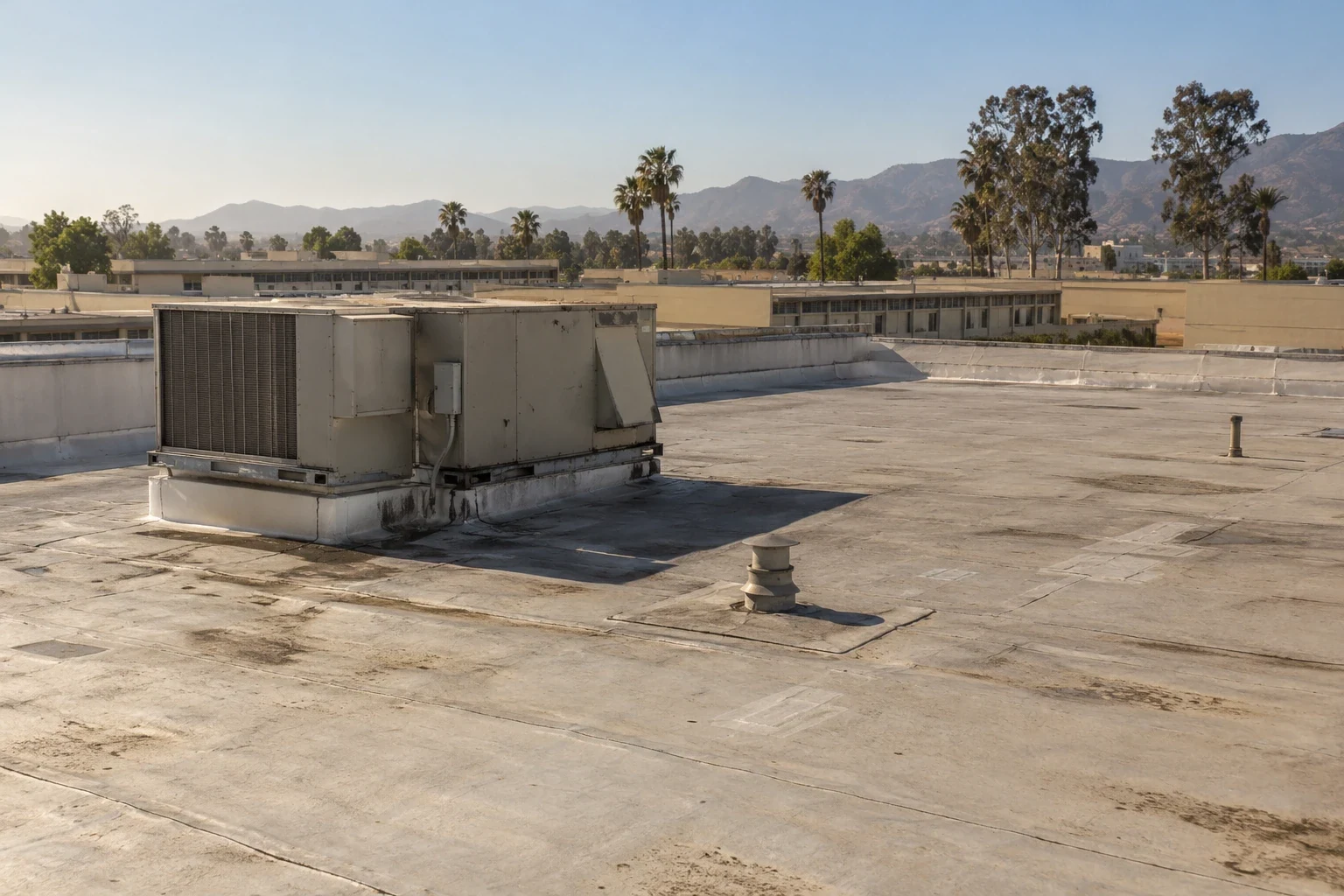
A puncture through the covering can let water spread beneath otherwise intact looking membrane. Warehouse membrane puncture correction includes examining the neighboring surface and supporting condition. We identify cleaning and removal needed before compatible material is applied. A small hole can therefore need more preparation than its visible dimensions suggest, particularly where an old patch or deteriorated covering prevents a sound connection to the retained roof.
Wet insulation changes the decision again. We explain whether the findings support local removal and repair or whether another investigation should establish the wider boundary. Any opening made for examination needs suitable exterior restoration and protection below. That surrounding work belongs with the task before layers are disturbed. We then describe the permanent correction from the usable assembly, preserving a clear reason for its size and keeping unresolved concealed material separate from the quantity supported by the visit.
Bring each property to its own roof decision
For a municipal roofing assignment in central Concord, identify the subject structure and its authorized access requirements before planning the task.
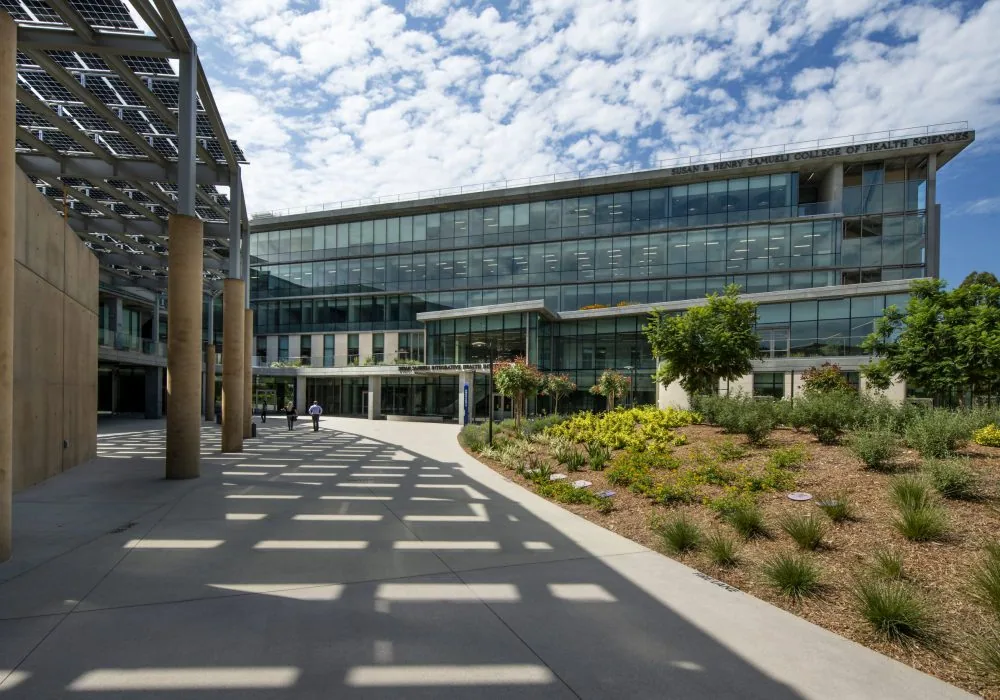
For a healthcare roofing assignment in Concord, identify the subject structure and its authorized access requirements before planning the work. A related proposed storage building scope in that part of Concord needs its own roof records and operating contact. We examine the subject roof individually and explain the preparation at its seams, drainage and transitions. You can coordinate visits across different properties while keeping separate condition findings with each recommendation, so a repair supported at one building is reviewed before being carried to another assembly.
Keep drainage working through the stage
Water from a retained roof area can cross the replacement zone toward an outlet. Warehouse roof outlet preparation checks those relationships before the roof is divided into stages. We identify whether obstruction, a damaged connection or a plumbing question needs attention. You can assign the relevant task ahead of covering installation, with temporary boundaries arranged to preserve a usable water path rather than create another exposed area beyond the intended work.
Your available floor space may suggest one division while the roof connections require another. We explain the difference before removal, including the material needed for temporary closure. If damaged support extends beyond the planned stage, we describe the finding and the newly affected interior area. The protection arrangement can then be reviewed before additional roofing comes off. The construction period stays connected to preparation that can be completed, with interim measures recorded separately when permanent closure needs another visit.
Retain locations for the next work request
Distribution roof work can involve different dock restrictions from roofing above production space. We identify the uses present in a related proposal and keep their contents and equipment requirements separate. Similar coverings may support shared procurement, but the removal stage still needs review against the space below. You can compare complete options with their preparation and operating tasks visible rather than compare materials that leave those obligations unstated.
Warehouse roof condition records locate observed defects, repaired boundaries and limits of examination. We explain adjacent needs outside the completed work so they can enter the deferred list separately. Keep the material information with those locations for later equipment changes or another leak report. A new opening still receives a current interface review, giving you a practical basis for its preparation while the earlier record preserves exactly which correction was completed.
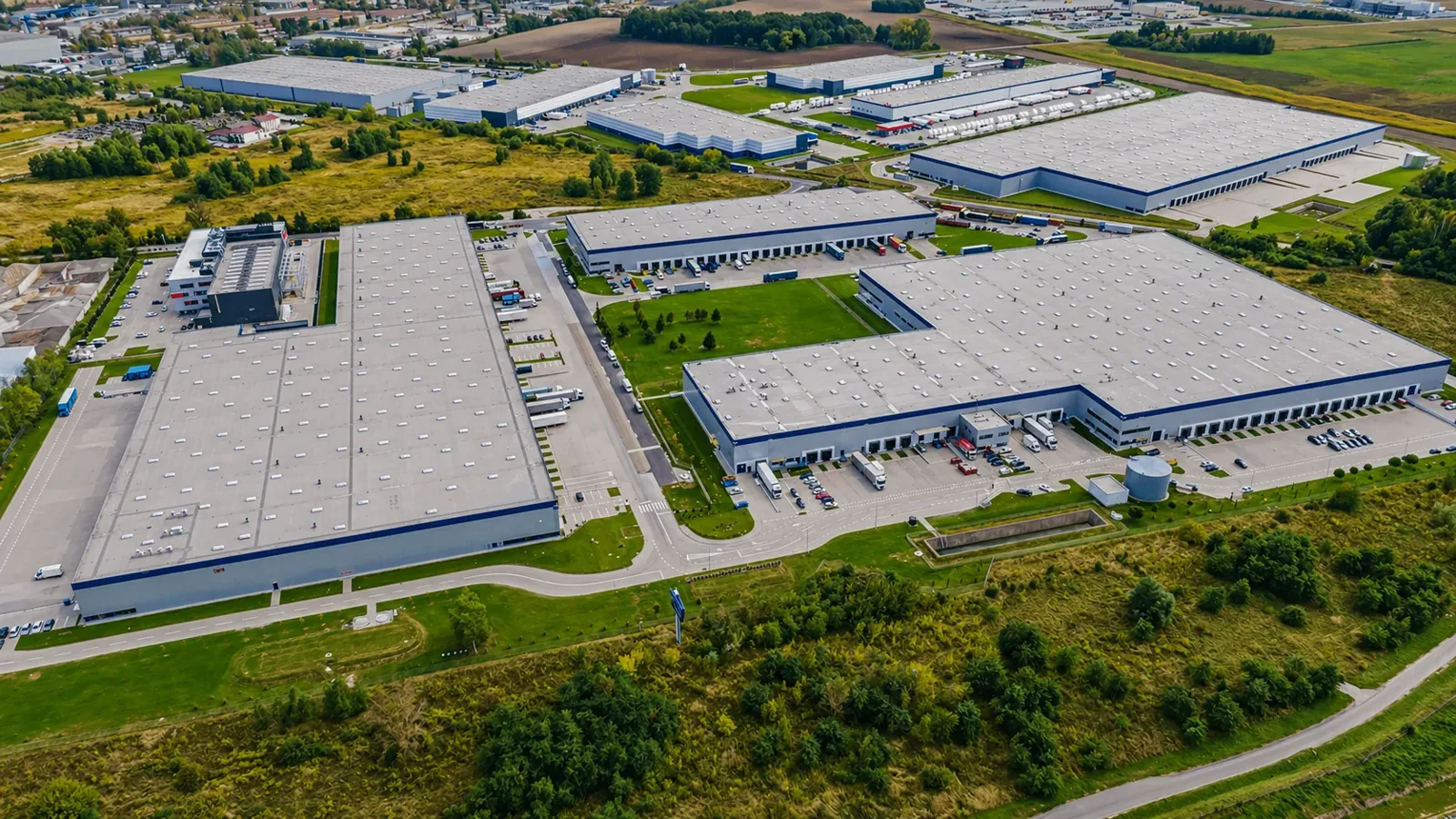
Coordinate the roof plan with receiving and storage. A warehouse roof scope has to preserve a usable receiving route while materials and debris move across the site. Confirm dock hours, staging limits, overhead protection and the building zones that contain sensitive stock before tear-off is priced. On a large roof, divide work by drainage area and identify how each section will be closed if weather interrupts the shift. Concord Business Park and Mount Diablo Industrial Park are both multi-building employment areas; warehouse conditions still differ by operator and layout. Ask for a marked roof plan that ties each zone to drains, equipment and interior exposure. The facility director can use that map to release one section at a time and verify completion without assuming an open loading area means the roof above it is ready for construction.
Commercial Roofing Questions
Should a wet storage aisle determine the roof removal area?
Trace the exterior entry and examine supporting condition first. We explain the usable boundary and any concealed question. Coordinate the protected aisle from that scope instead of using its floor outline as the automatic roofing quantity.
What should I send with the warehouse leak report?
Provide the location, event timing and available repair records. We compare them with accessible roof details. Identify contents restrictions early so the examination and any opening can be arranged through the responsible facility contact.
Can the puncture be patched without opening layers?
Check the surrounding surface and evidence of moisture before choosing that method. We identify preparation supported by the assembly. Include further examination when its result changes which material can remain beneath the permanent correction.
How do I reserve a practical removal window?
Match the protected area with roofing access, drainage and closure requirements. We describe the stage and dependencies. Keep suitable temporary measures in the plan where permanent preparation needs a separate period.
What belongs in the warehouse deferred list afterward?
Separate neighboring defects and unresolved examination from the corrected locations. We explain the reasons for further attention. Maintenance can then plan those tasks without assuming the entire covering received the same permanent work.