Preventive Roof Maintenance in Concord, CA
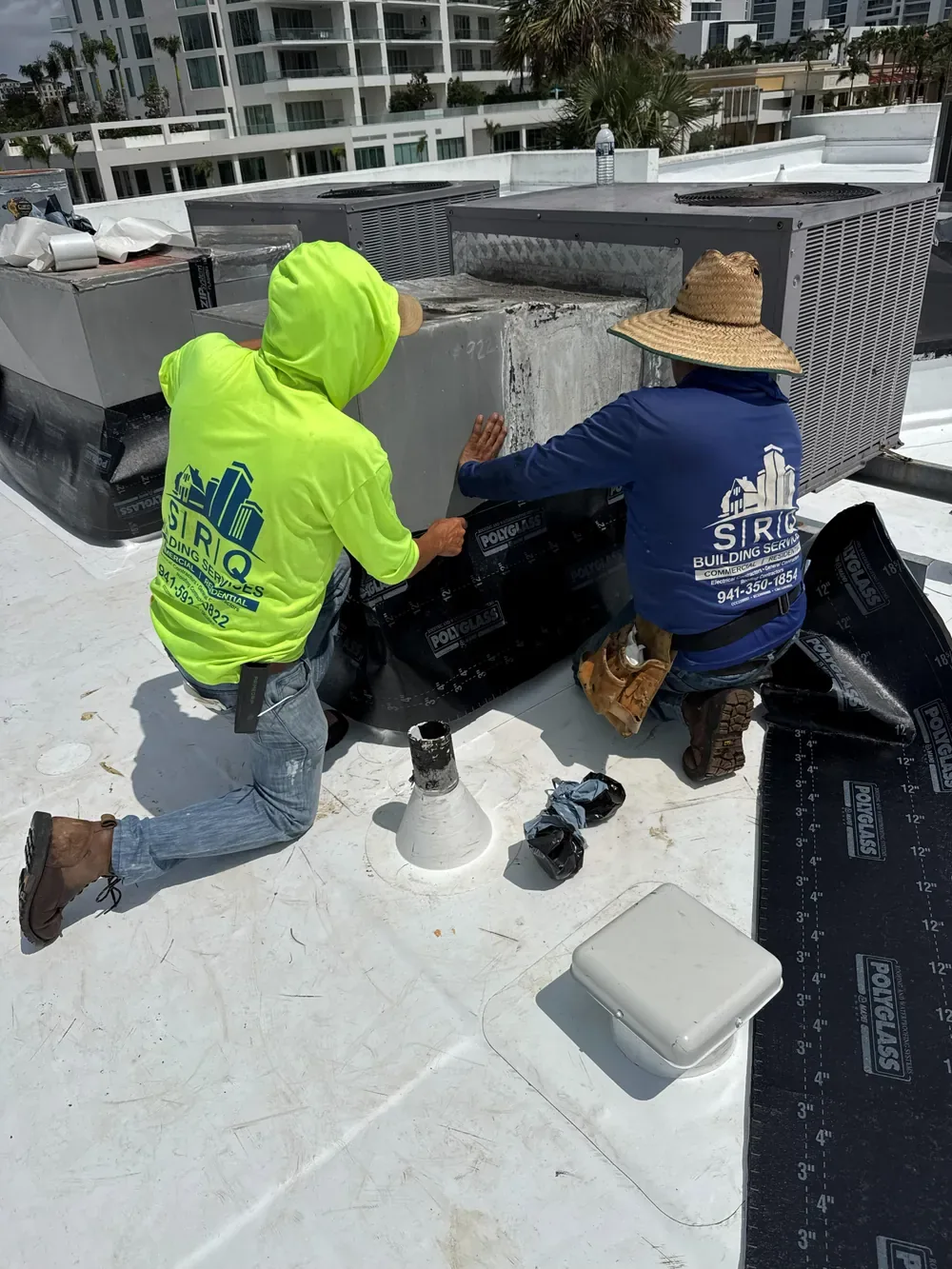
An office building’s active rooms need the facility director to keep routine roof attention from disrupting the people and equipment below. Preventive roof maintenance in Concord, CA, starts with the building’s PM schedule and the work that accessible findings support. We identify observation, maintenance and permanent repair tasks separately so facilities can arrange the right releases. Bring the maintenance log and recurring concern locations into the request. A useful visit should leave a clear completed scope and next decision, rather than a general statement that the roof was checked without showing which connections or supporting questions still need attention.
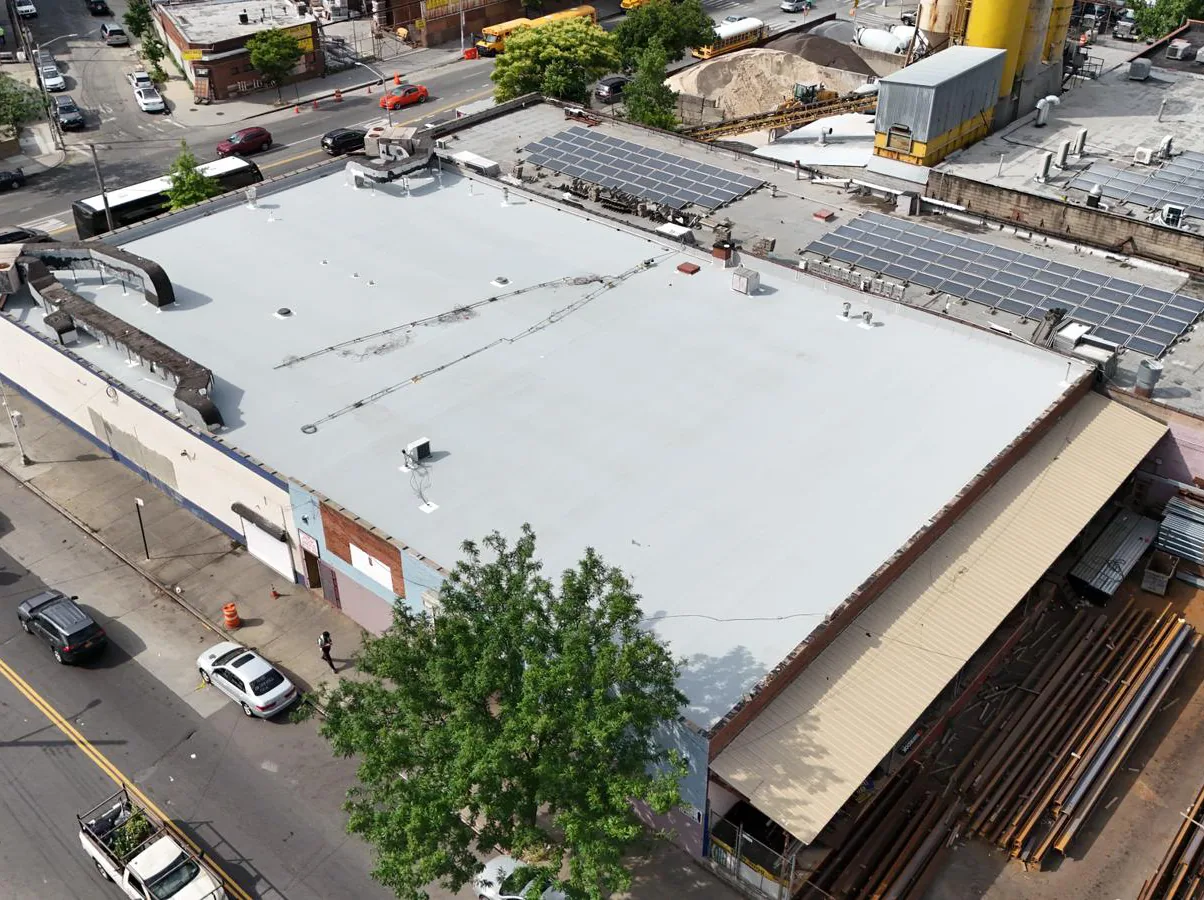
For a municipal roofing assignment in central Concord, identify the subject structure and its authorized access requirements before planning the work. A proposed maintenance assignment above public space needs the operator’s actual roof route, released zones and relevant equipment requirements. We discuss those limits with the planned tasks before pricing. The PM request can then follow building use and identify the protection or closure needed where repair goes beyond observation. Facilities has a scope to coordinate with its calendar, with routine attention and any permanent construction kept distinct instead of assuming every task can proceed during the same released period.
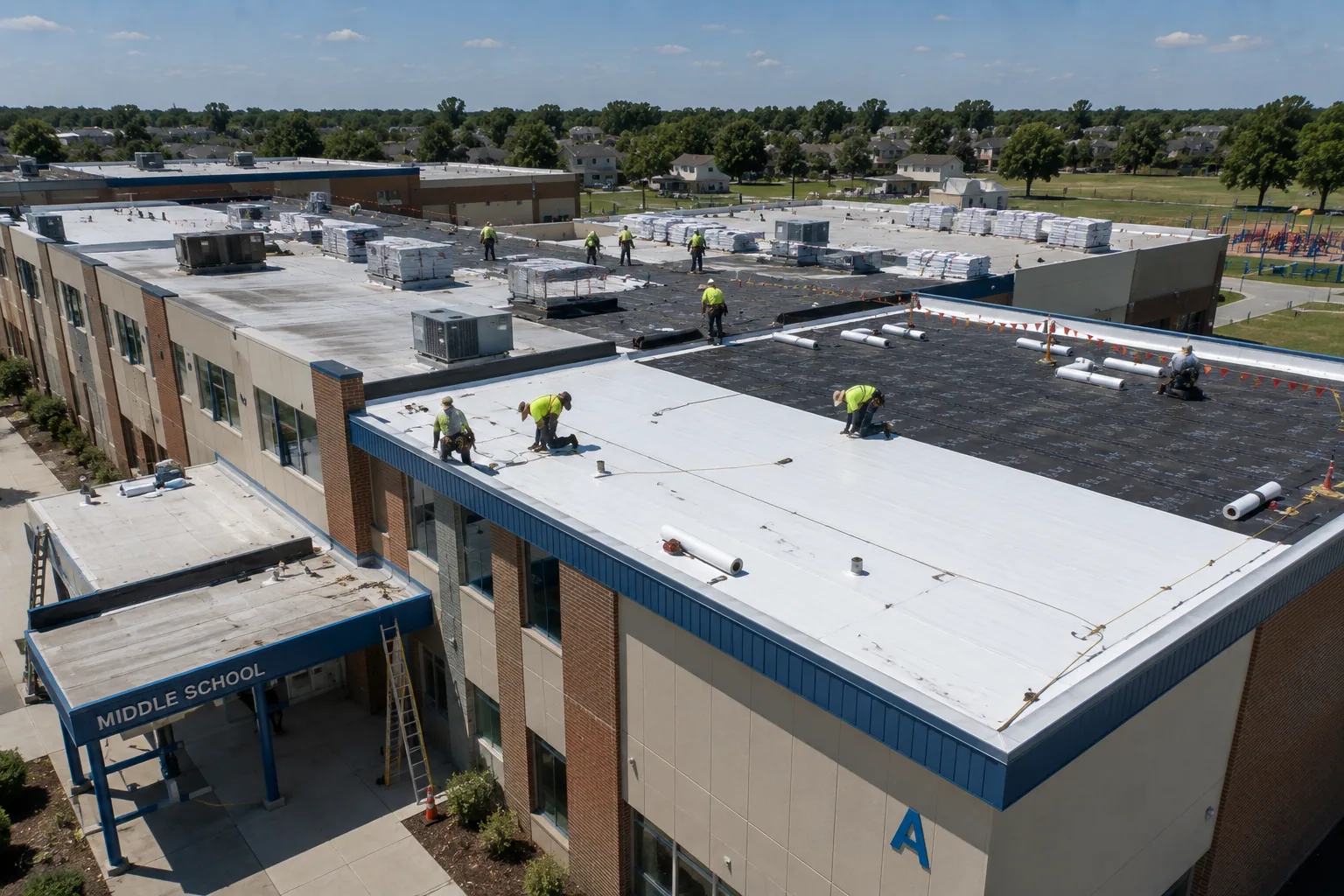
Define the PM tasks and observation boundary
Routine attention should identify what will be examined and what maintenance is included at the accessible roof.
What should remain on the deferred list?
We compare available records with the reported concerns and describe the assigned seams, flashing or drainage observations. The request states unavailable areas rather than treating them as assessed. Facilities can then arrange the relevant access and compare the completed visit against a defined task boundary. A surface check can identify a concern without establishing concealed moisture, every supporting layer’s condition or the compatible permanent repair material needed for later construction.
When a finding calls for a more focused roof inspection, we describe that follow-up separately. The intended decision may need material records, interior observation or supporting confirmation beyond routine maintenance. Place those tasks in the next work request before permanent quantities are committed. Facilities can use the PM findings to organize action without treating one accessible observation as a full diagnosis. That preserves a useful boundary between work completed during the visit and information still needed to select an actual repair endpoint.
Separate cleaning from reconstruction
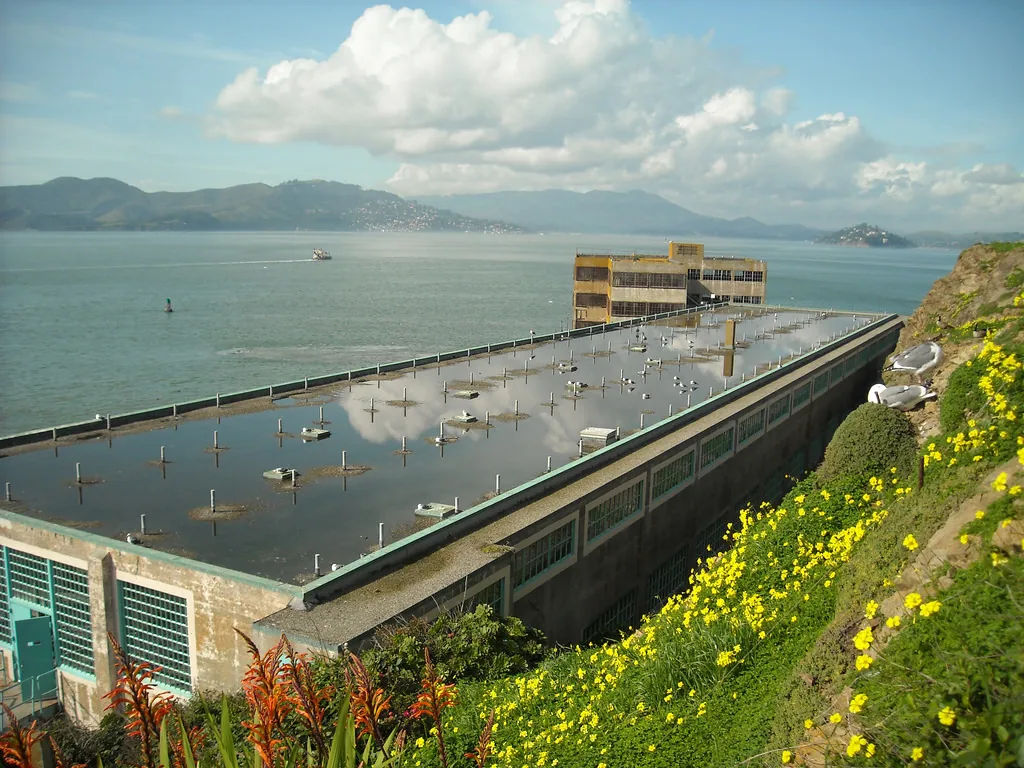
Drainage attention can involve debris removal while permanent outlet repair remains a different task. We identify accessible findings and describe the maintenance endpoint without combining it with unspecified supporting work. A defined drain or scupper assignment should show cleaning, connection repair or reconstruction as applicable to the request. Facilities can compare those tasks against the same scope, with further source or trade checks stated where needed. A clear outlet count helps organize the visit but does not establish identical repair labor at every connection.
A visible opening at a termination may require preparation or supporting correction before permanent joining. We identify the actual construction question and describe confirmation needed rather than turn the PM visit into an assumed patch approval. Bring previous repair records where available. Facilities can then authorize compatible work with removal and transitions defined, keeping concealed quantities reviewable. A new upper patch cannot remove wet layers beneath it, so findings about supporting condition should precede a permanent repair commitment rather than be hidden within a general routine-maintenance description.
Prioritize the permanent connection tasks
An existing EPDM assembly needs its actual materials and compatible detail requirements assessed before a repair component is selected.
We compare exposed condition with records and flag earlier patches or aged areas needing more examination. Put the relevant material information beside the defect location in the work request. Facilities can then distinguish a known permanent connection from investigation still needed. A family name can guide the review, while the actual sheet and surrounding construction establish preparation and joining tasks to be priced.
A TPO roof maintenance finding should lead to its own defined repair endpoint if later work is required. We identify supporting preparation and detail questions rather than assume similar-looking surfaces accept interchangeable patches or accessories. Where broader replacement is proposed, its complete roof section needs applicable review before procurement. The PM record can support that decision without becoming an unsupported conclusion about the whole roof. Facilities should retain immediate assigned tasks, additional investigation and larger alternatives separately so each has its own construction and release requirements.
Use the calendar for actual building releases
Routine access and permanent repair may need different occupied-area periods. We discuss the building route and operator’s restrictions before arranging maintenance, then identify protection and closure required for any later opening. Share equipment dependencies and keys or escorts arrangements where relevant. Facilities can coordinate tasks that are ready instead of assuming the PM date releases every room and rooftop interface. Where another trade blocks a connection, its supporting task should remain visible in the follow-up sequence rather than field attention being used as proof the permanent interface is finished.
For a healthcare roofing assignment in Concord, identify the subject structure and its authorized access requirements before planning the work. For a proposed healthcare maintenance task near downtown Concord, retain the designated building’s operator and actual requirements with the assigned scope. We discuss those occupied-area releases separately from office or municipal work. Common record categories can help facilities compare requests, while each property’s equipment, access and observations stay attached to its own roof. That keeps a suitable period at one building from being treated as readiness for another assignment.
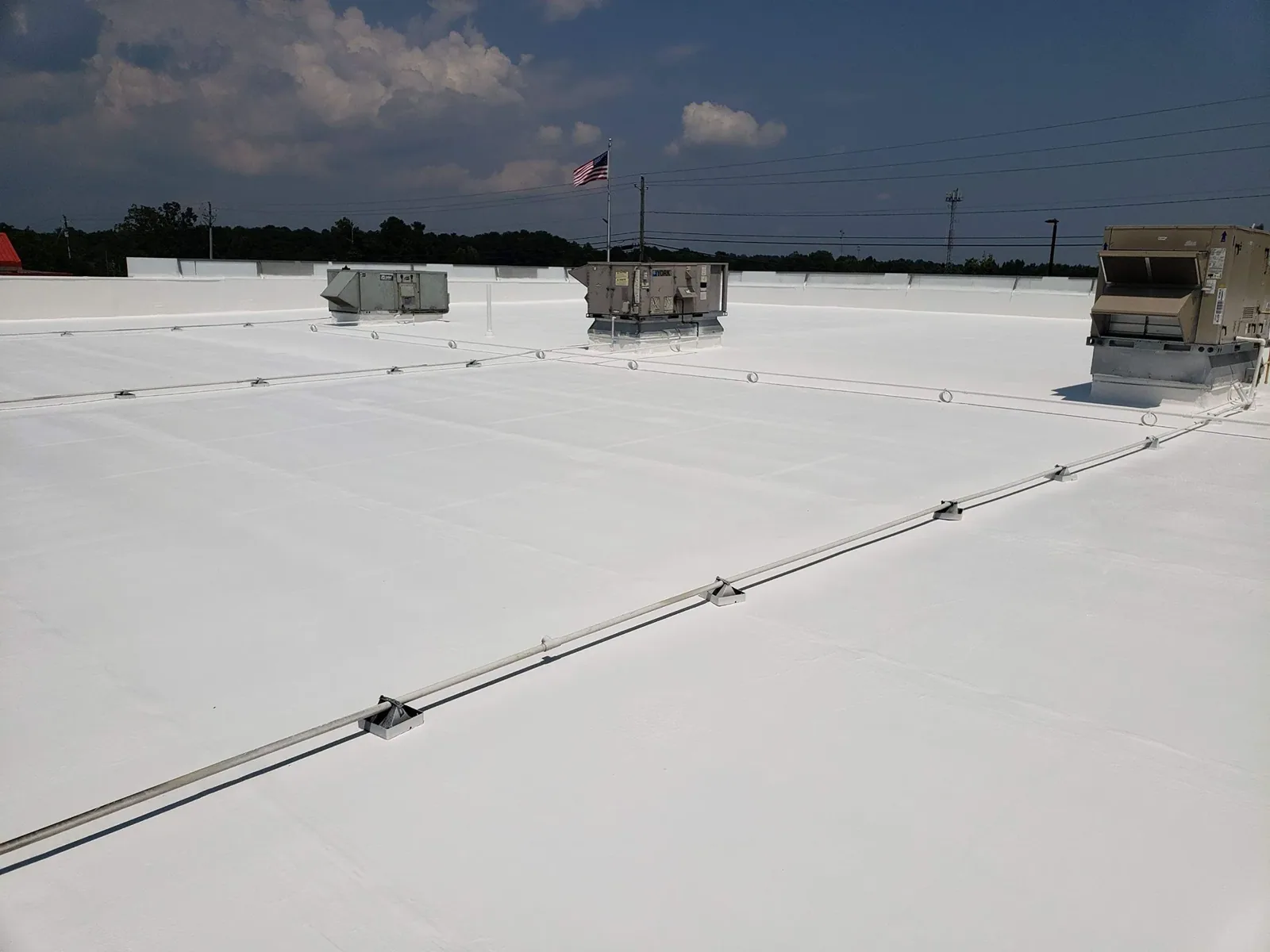
Keep completed tasks and the deferred list clear
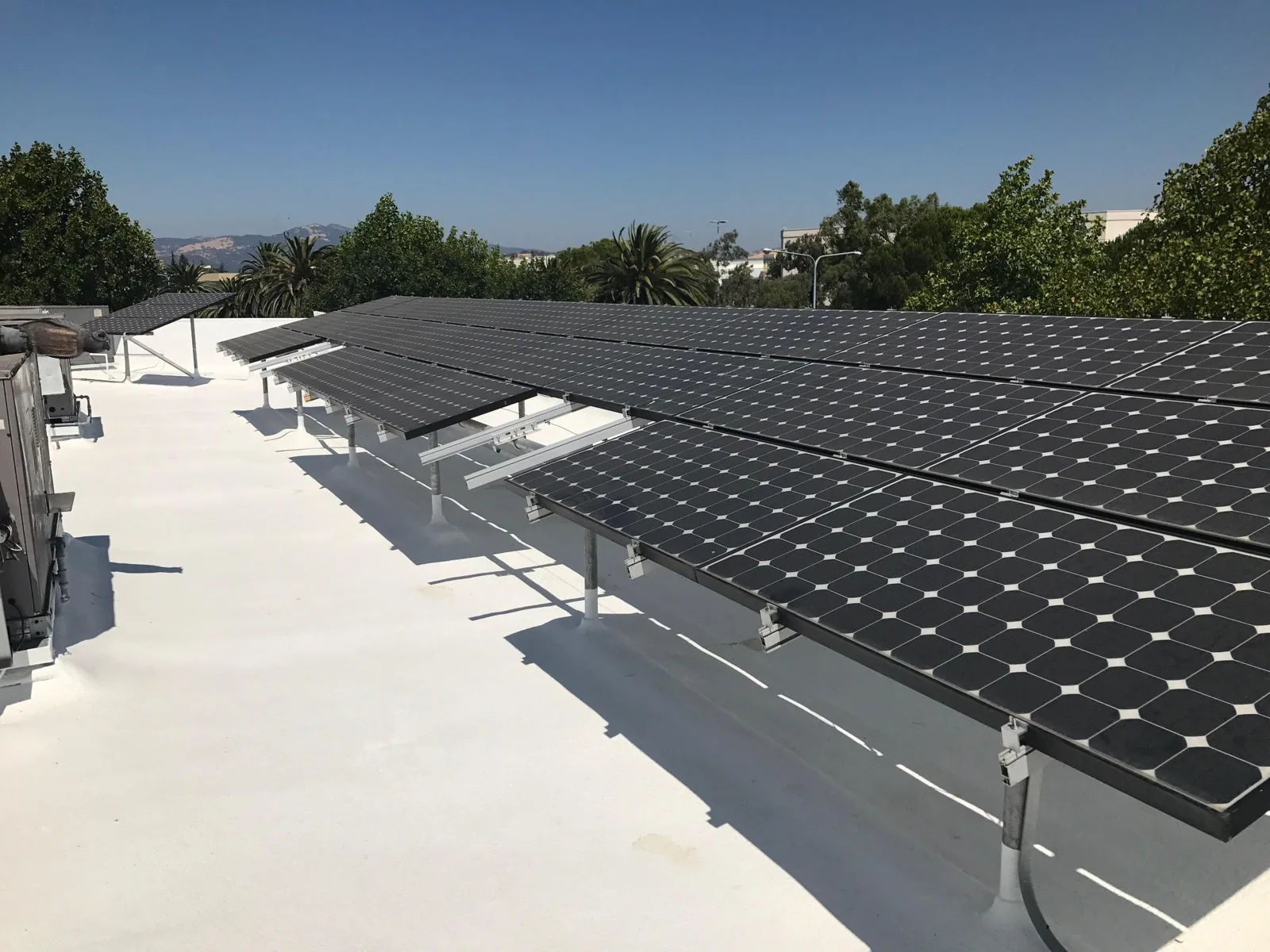
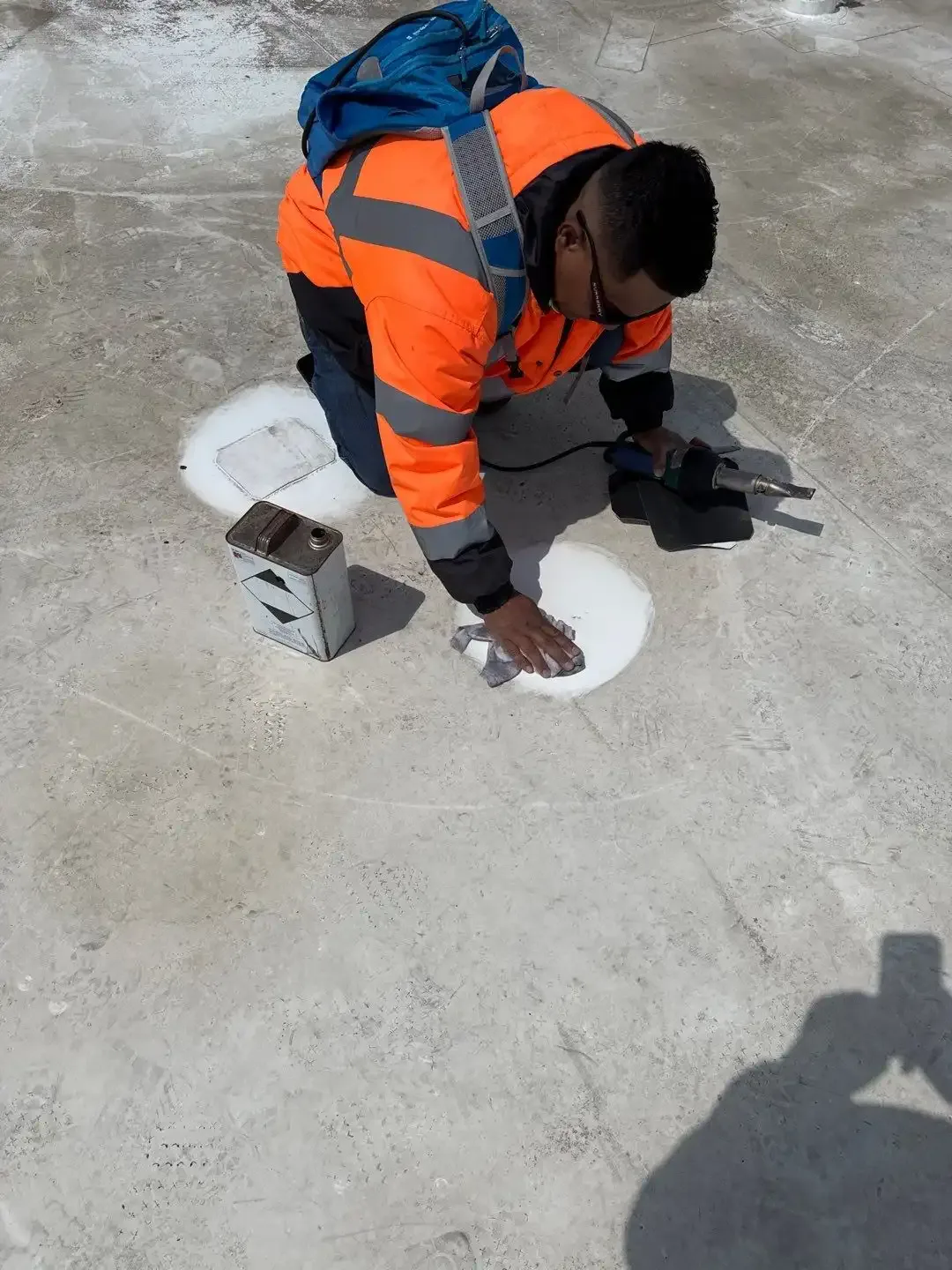
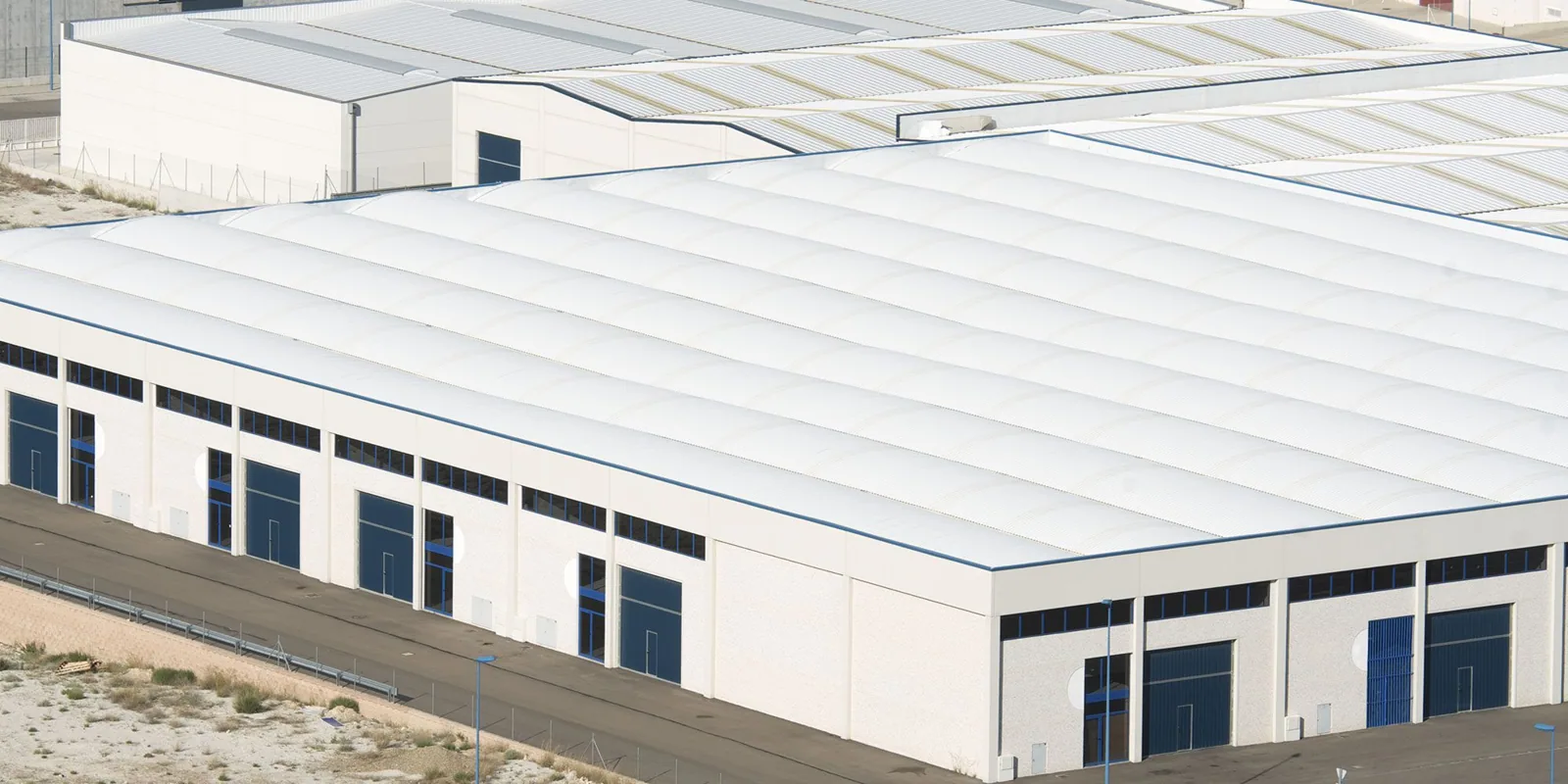
The maintenance log should record accessible findings, work actually completed and remaining concerns. We distinguish routine tasks from permanent repairs needing compatible materials or supporting confirmation. Facilities can then arrange the next request using a defined endpoint instead of a broad roof-status label. Include unavailable areas and relevant equipment releases beside the findings so later pricing does not assume every connection was examined. This also preserves a clear basis for comparing changes at the assigned locations when the roof is assessed again for actual maintenance or construction.
Permanent application must suit the selected material and current surface when repair is arranged; a prior PM visit cannot establish those later conditions. Applicable warranty documents also need their actual notice and alteration terms reviewed before commitment, without an assumed coverage result from routine attention. We discuss those requirements with the follow-up scope rather than treat them as complete because maintenance occurred. Facilities can coordinate the calendar from ready construction, with document tasks and blocked interfaces visible after the routine visit’s assigned work has been completed. Near Mount Diablo Industrial Park and Walnut Creek, distinguish routine PM from a repair release.
Commercial Roofing Questions
What should I bring to a PM discussion?
Share the maintenance log, recurring concerns and actual access periods. We define routine tasks and the observations needed before permanent work is selected.
Does maintenance include every repair found?
Separate the assigned PM work from permanent construction. Define compatible material, supporting preparation and releases before a finding becomes a repair commitment.
How should drainage tasks be described?
State cleaning, connection repair or reconstruction distinctly. An outlet count organizes the request while actual condition establishes the permanent task.
What belongs on the deferred list?
Retain unresolved findings, unavailable areas and larger work outside the visit. Tie each next decision to the confirmation or release it still needs.
Can a PM visit establish later installation readiness?
Assess current material and surface conditions when permanent work is arranged. Keep operator and document requirements attached to that actual repair scope.