Modified Bitumen Roofing in Concord, CA
A maintenance building roof over active back-of-house rooms needs its facility director to know which construction method the proposal actually includes. Modified bitumen roofing in Concord, CA, starts with the selected product assembly and the operator’s available periods. We define supporting preparation, application and permanent connections beside the actual sheet construction. Bring existing roof records and the permitted material route into the request. A public building roof assignment can then carry its applicable requirements with the installed scope, rather than a broad bituminous membrane label leaving the method and occupied-area setup undefined.
For a municipal roofing assignment in central Concord, identify the subject structure and its authorized access requirements before planning the task.

Specify the actual sheet and method
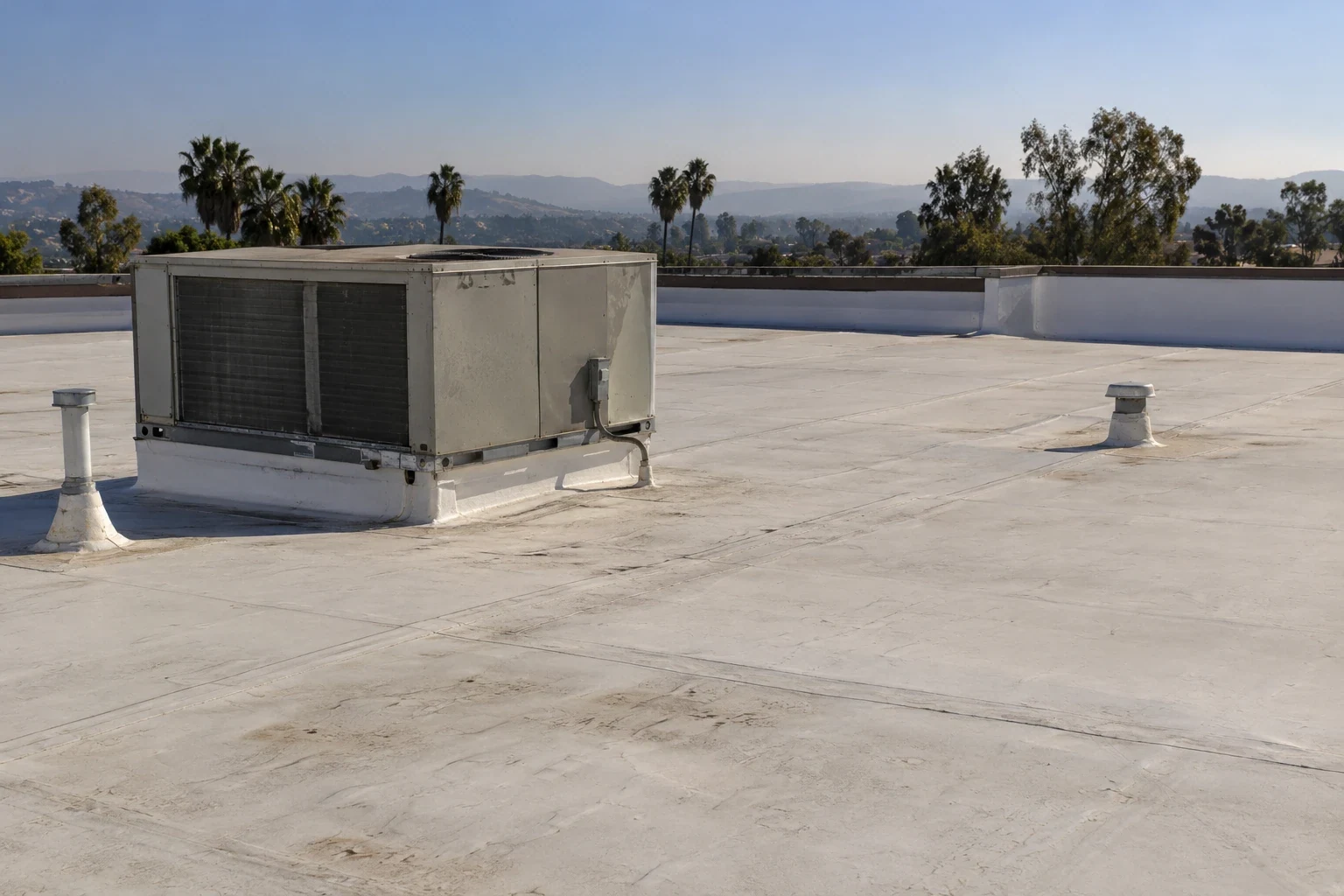
Modified bitumen options can use different products and installation approaches, so the particular assembly must be identified before pricing is treated as complete. We describe selected layers, supporting surface and permanent details with the proposed application method. Ask for relevant product documents and project review requirements during the comparison. Facilities can then evaluate the actual construction and its setup rather than a family label implying a universal field task. Any unresolved method or acceptance question should remain visible before the roof period or material order depends on it.
Which method is included in this price?
A bituminous roof replacement scope should state removal depth and what surface remains for the new construction. We compare accessible layers with available records and describe confirmation needed beneath concealed areas. Facilities can arrange those checks before final quantities assume retention. Disposal and replacement support belong beside application, with permanent transitions shown where construction changes. A new upper sheet cannot establish that every existing layer is suitable to stay, and the method chosen does not replace that supporting condition decision.
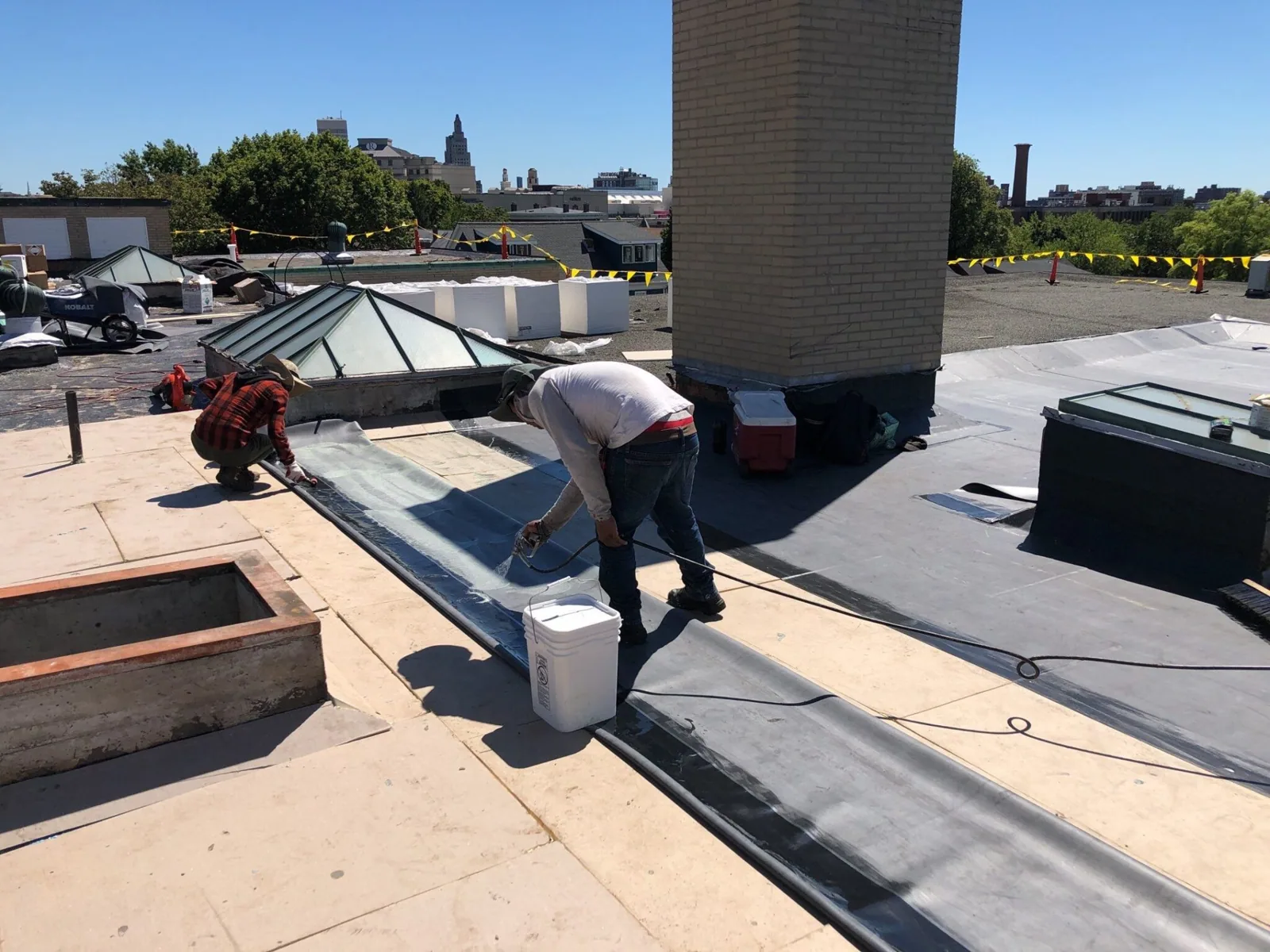
An SBS option can carry an asphalt-applied method or a selected cold-adhesive approach. We identify the actual construction and compatible joining materials before comparing application setup and permanent details. Facilities can assess a method tied to its sheet product, rather than a general adhesive allowance assumed suitable for every bituminous roof. Exact application requirements remain with the identified materials and applicable project review. The installation choice therefore stays visible beside field area, with preparation and connection obligations defined before procurement commits the assembly.
Review occupied-space application constraints
The selected installation approach needs the operator’s actual project requirements considered before setup is committed. We discuss the material route and relevant occupied-area restrictions using the method proposed, then identify dependencies requiring responsible review. Facilities should retain those decisions beside the roof section. A building period suitable for one task should not establish readiness of every application option. Clear scope shows the intended construction and protection without assuming universal permission for a particular method merely because the product belongs to a familiar roofing family.
Installation above occupied rooms needs an opening that follows the released area and can reach the agreed closure endpoint. We describe preparation and tie-in work between separate periods before the phase is priced. Ask which rooms and equipment need individual releases. Facilities can compare repeated setup with the actual access plan rather than an unrestricted labor allowance. Where an operator requirement remains unresolved, keep that task before application instead of a broad installation date being used to approve every method and work zone.
Confirm layers and supporting repair
An exposed split or earlier patch requires its material and surrounding condition reviewed before the permanent repair is selected. We assess accessible construction and identify the actual preparation or compatible components needed. Suspected moisture below the surface remains a confirmation task until its boundary is established. Facilities should retain that supporting question alongside the visible defect. A new patch can close the assigned upper connection while damp layers beneath it still require separate correction, so the permanent scope should not use a surface quantity to erase unresolved assembly work.
Confirmed supporting removal adds disposal, replacement construction and transitions into retained layers. We describe those tasks with a measurement and approval basis for extensions encountered after opening. Facilities can review additions against the permanent endpoint while daily closure remains assigned. Known work and remaining investigation should be separate in the request. That avoids a low upper-sheet allowance being treated as a complete obligation when backing preparation or concealed replacement is still uncertain, and keeps the finished repair tied to findings actually established for the selected assembly.
Compare complete layered alternatives
A built-up roofing construction option needs its own selected layers, application and connection tasks. We compare the actual section with the modified bitumen proposal while preserving the same roof endpoint. Facilities can review method and supporting differences beside price rather than assume layered descriptions establish equal installation work. Submit the relevant assembly and permanent details before procurement. The useful alternative carries the installed obligation through its backing and interfaces, with occupied-space setup defined rather than hidden outside a broad material allowance.
A TPO replacement comparison should show the separate preparation and joining approach if offered for the same roof. We identify changed product and detail tasks with removal or retention assumptions stated. Facilities can take the complete option through applicable acceptance before orders. Similar field area does not make sheet products interchangeable or establish identical interface labor. The comparison should reach the same permanent roof boundary with supporting work included, so any material difference is evaluated without silently changing the building protection or completed connection obligation.

Close the connections and retain the record
For a healthcare roofing assignment in Concord, identify the subject building and operator's access requirements before planning the task.
Current substrate and material conditions must suit the selected application approach. We assess preparation and component readiness before permanent work, then retain installed layers and finished connections with agreed project checks. Actual warranty documents need their specific terms reviewed before alterations rather than a promised result from the membrane family. Facilities can coordinate adjacent restoration after the relevant permanent interface and project review. Remaining equipment, supporting and document tasks stay visible in the handoff, with the maintenance log describing construction actually completed instead of broad field application closing every obligation.
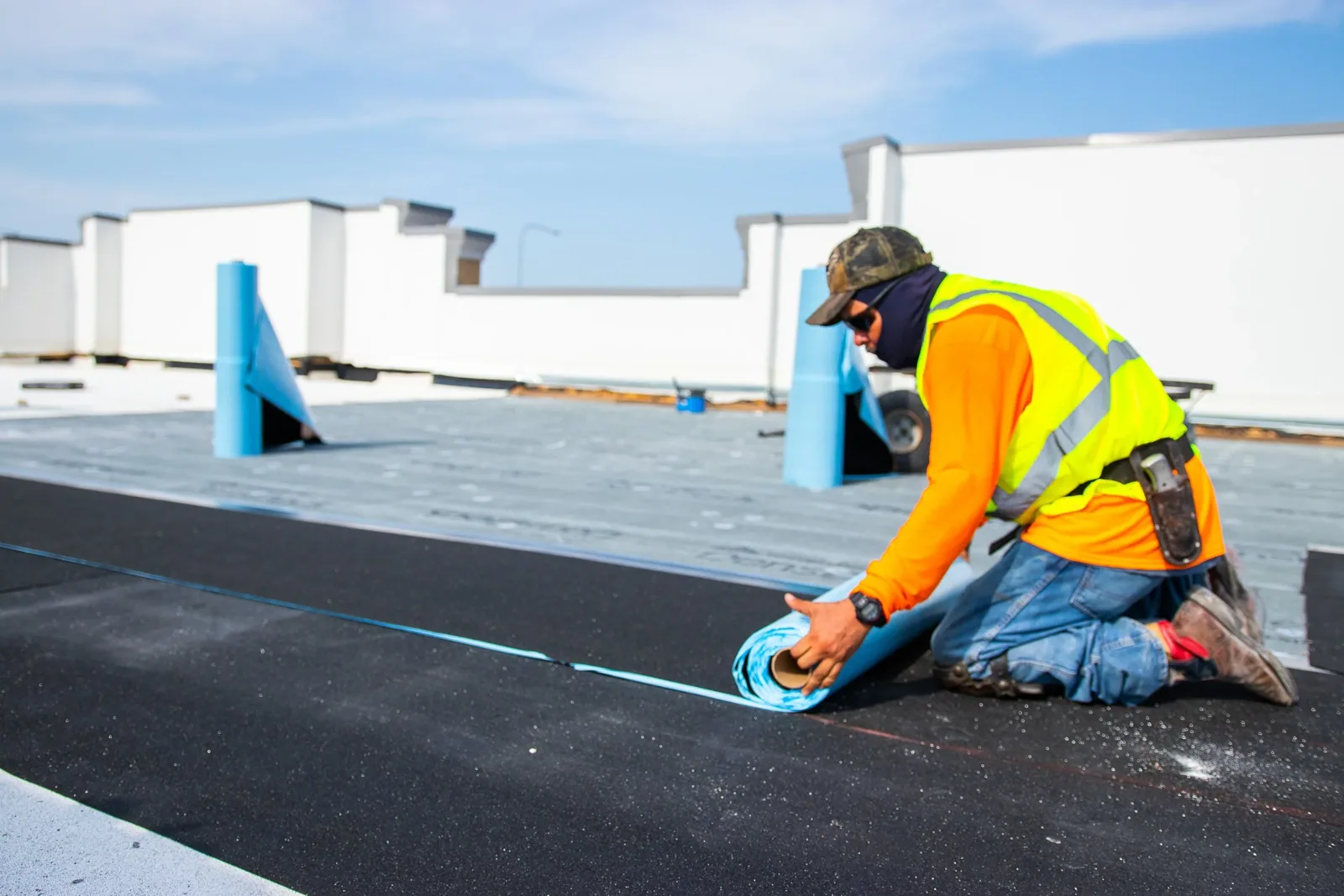
Compare ply count, attachment and heat controls. A modified-bitumen specification needs to state the number of plies, attachment or adhesion method, cap sheet and treatment at each penetration. Confirm whether the chosen application method creates hot-work controls or requires special protection near intakes, stored material or occupied rooms. The base sheet and cap should be evaluated as one assembly, including how new work meets retained roof and metal edges. In Contra Costa, a work period can change with the facility's operating calendar, so list any separate mobilization or protection needed for phased installation. For roofs in Walnut Creek and the Concord service area, tie those controls to each specific roof zone. A marked section detail lets the owner compare complete systems rather than cap-sheet price alone, while the closeout can document installed plies and transitions.
Commercial Roofing Questions
What should a modified bitumen option state?
Identify the actual sheets, supporting section and application method. Carry relevant project and product requirements beside the permanent construction scope.
Can a method be assumed from the family name?
Review the proposed assembly and installation approach explicitly. Keep operator restrictions and supporting preparation attached to the selected option.
What should supporting removal include?
State established disposal, replacement layers and transitions. Retain a measurement and approval method for concealed extensions while closure remains assigned.
How should layered and single-ply options compare?
Preserve the same roof and connection endpoint. Describe changed application, preparation and detail tasks rather than equate field quantities.
What establishes application readiness?
Assess actual substrate, materials and required releases. Keep unresolved equipment or acceptance tasks ahead of their permanent interfaces.