EPDM Roofing in Concord, CA
A civic building roof above public counters needs its facility director to connect the rubber membrane option with daily use and the complete installed section. EPDM roofing in Concord, CA, begins with accessible construction and the proposed permanent endpoints. We identify supporting preparation and compatible joining tasks beside the actual membrane and detail materials. Bring the maintenance log and building calendar into the request. A civic building reroofing scope can then carry removal, installation and room protection together, instead of a rubber-sheet allowance being accepted while backing and equipment releases remain undefined.
For a municipal roofing assignment in central Concord, identify the subject structure and its authorized access requirements before planning the task.
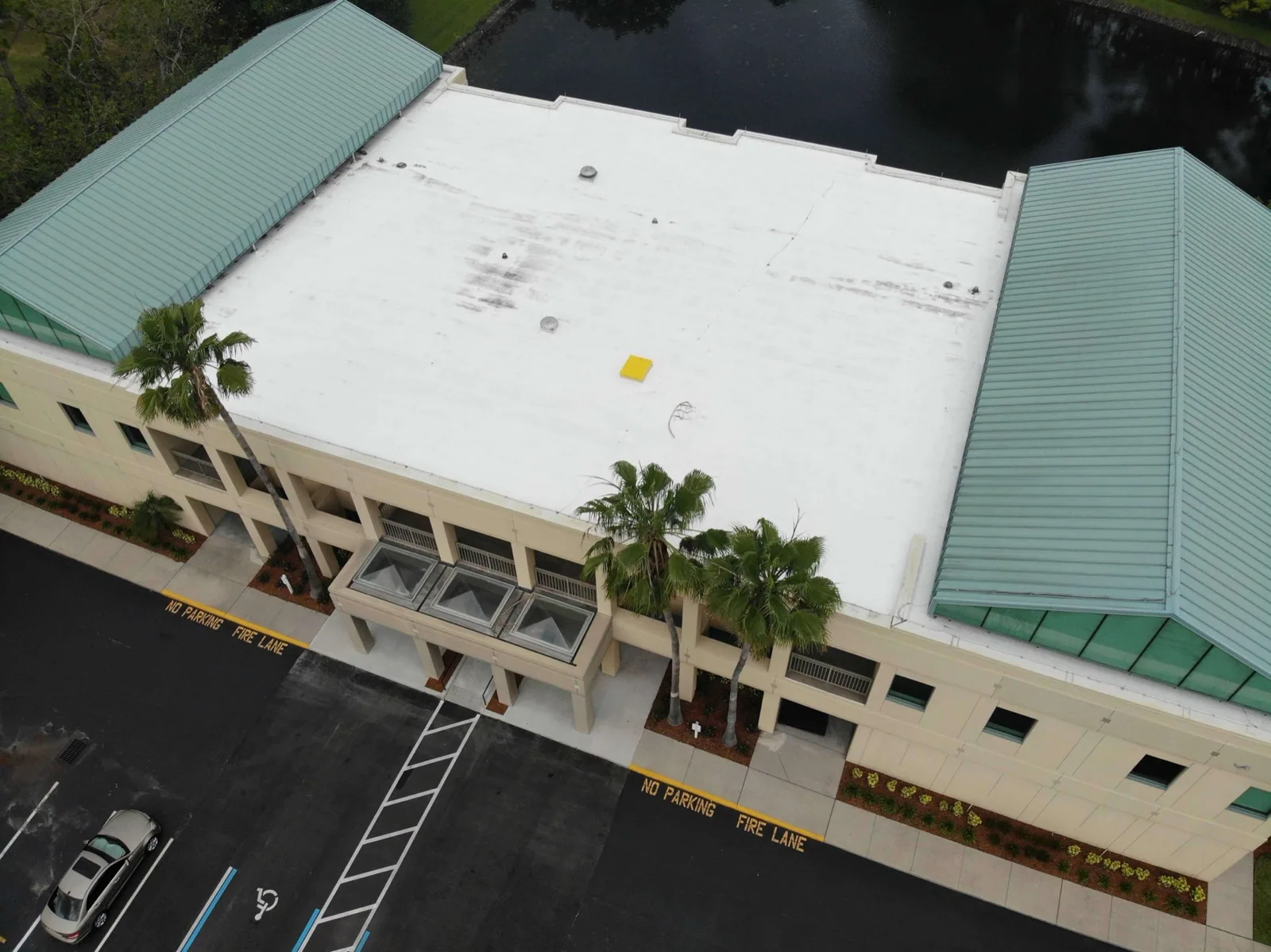
Define the rubber membrane assembly
EPDM identifies a rubber membrane family, while the actual product and selected assembly establish the installed construction. We describe supporting layers, attachment and compatible seam or detail components with the roof section. Ask for the complete option and applicable requirements during pricing. Facilities can compare an assessed obligation rather than a family label standing in for every material needed on the roof. Preparation and component choices should remain tied to the selected construction, with any project acceptance still pending identified before procurement is committed.
Which layers are part of the option?
A replacement using an EPDM section needs removed construction and the resulting installation surface stated. We compare available records with accessible layers and identify further checks relevant to that boundary. Facilities can arrange confirmation before final quantities depend on a supporting assumption. Disposal, replacement insulation and permanent transitions belong alongside the membrane. An inexpensive upper-sheet allowance should not establish that every old layer can stay when condition or attachment beneath the exposed surface has not yet been confirmed.
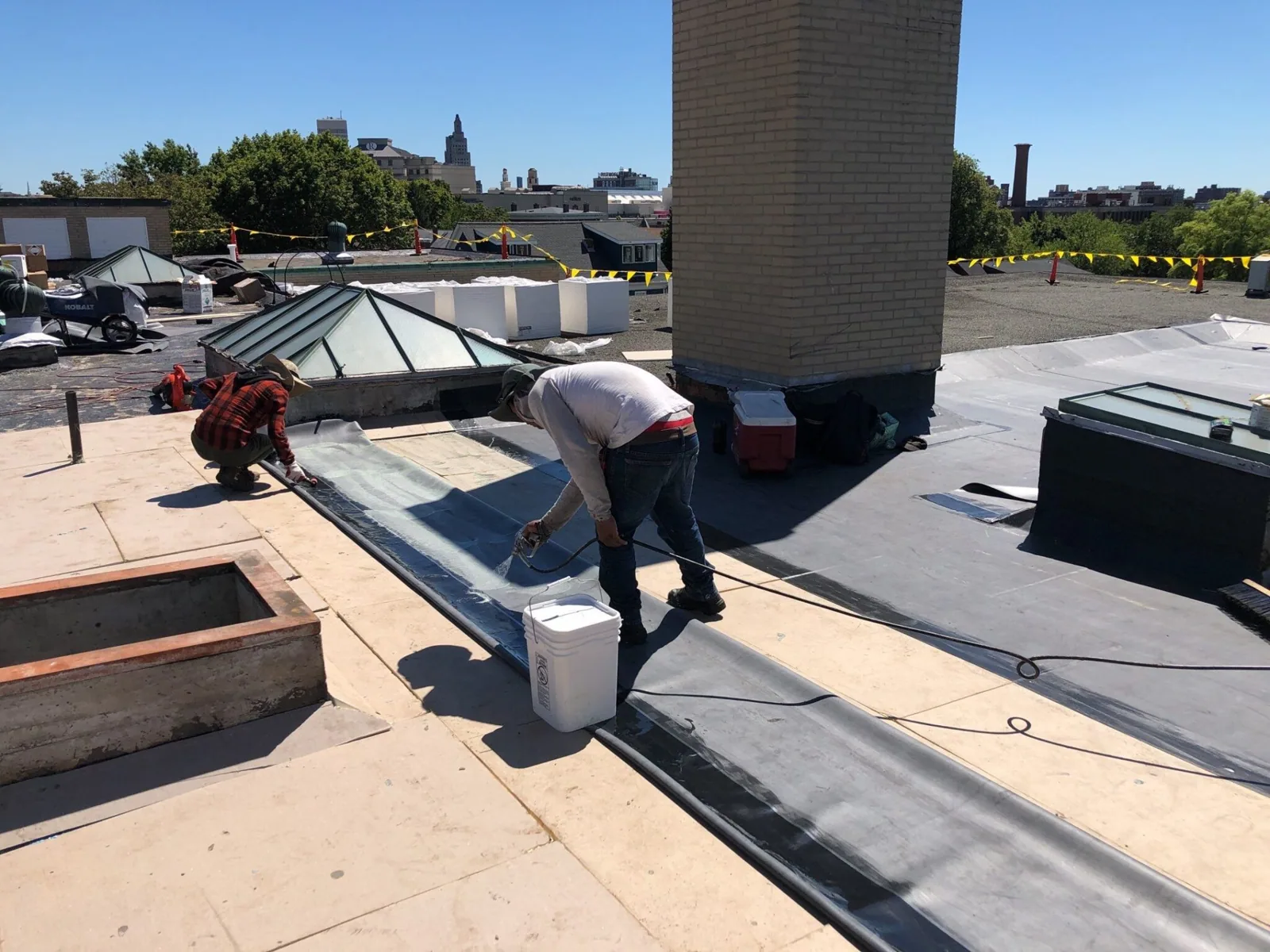
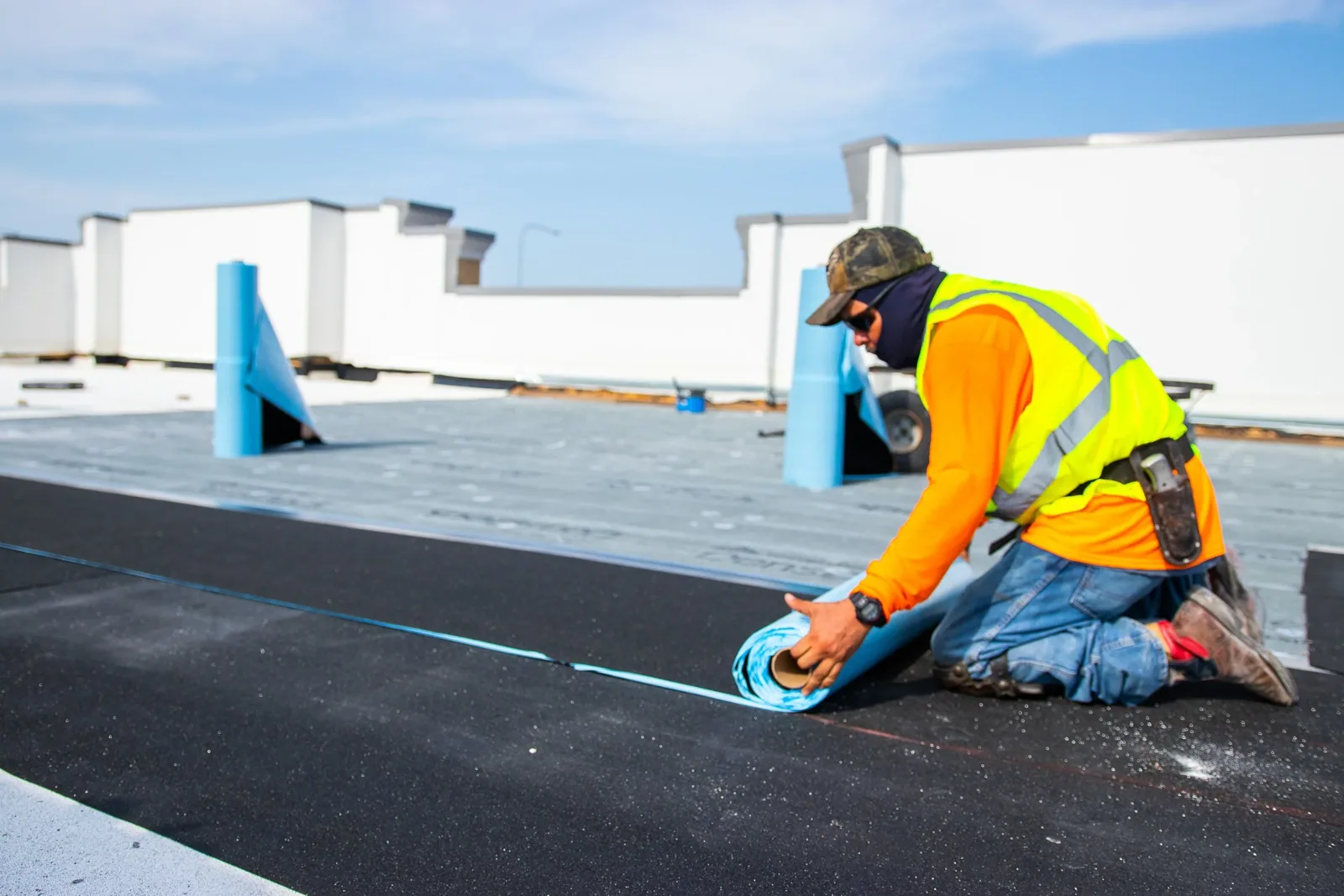
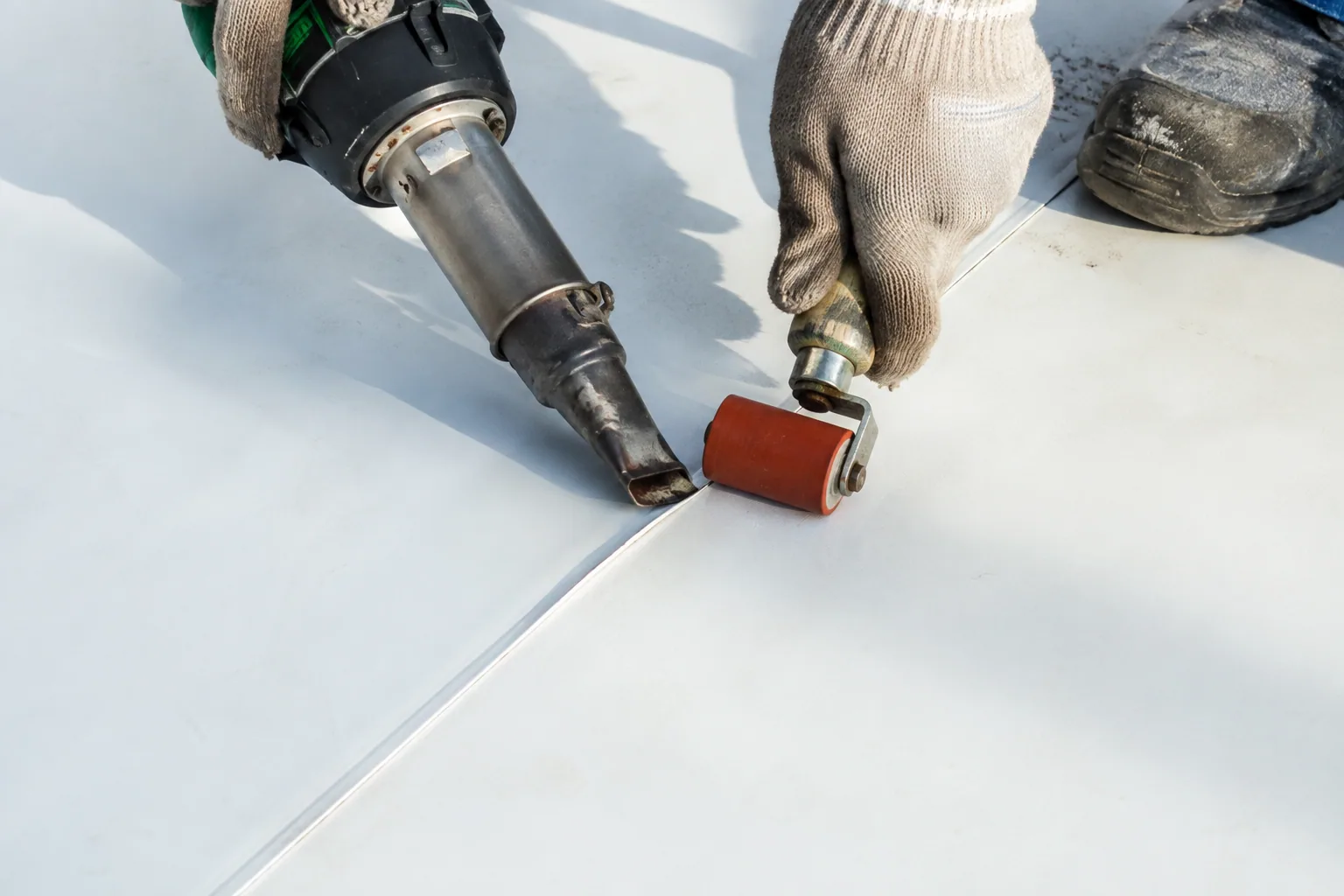
An EPDM option may include factory-applied splice tape. We identify that actual seam-material configuration in the proposal rather than assume every rubber roof joint or earlier patch uses the same components. The selected seam construction carries its compatible preparation and permanent detail requirements before orders. Facilities can compare the configuration with the field quantity. Factory-applied material still leaves installation and field connections to be completed on the actual roof, so the assembly allowance should retain those tasks beside the membrane product.
Assess existing seams and patch construction
An aged seam or earlier patch needs its material and surface condition reviewed before repair components are selected. We identify accessible construction and the compatible preparation relevant to the permanent joining approach. A rubber roof leak investigation should also examine the reported source with interior timing and equipment information. Facilities can coordinate observation before the patch quantity is committed. A ceiling mark does not establish the seam responsible, and another membrane’s accessory cannot be assumed suitable simply because both roofs use single-ply sheets.
Supporting moisture can extend the work beyond the visible opening. We distinguish indications from confirmed material condition and describe additional examination needed before removal or retention is approved. Facilities should retain the measured supporting boundary with a method for reviewing extensions encountered after opening. An upper EPDM patch cannot remove wet insulation underneath it. Permanent repair therefore needs disposal, new supporting layers and compatible transitions stated where findings establish them, with daily protected closure remaining assigned while uncertain quantities are reviewed against the agreed construction endpoint.
Keep joining requirements product-specific
The selected EPDM construction needs its actual seam, preparation and detail requirements available before installation. We describe the permanent materials and assigned project checks with the planned roof connection. Facilities can arrange ready work from the correct section rather than sheet delivery alone. An exposed joint and a wall termination carry different supporting and geometry questions. Those tasks belong in the scope, with compatible surfaces prepared before joining instead of a broad rubber membrane quantity being used to imply every roof interface will be completed the same way.
A thermoplastic TPO alternative should identify its separate construction and joining tasks if offered. We compare full installed endpoints while stating changed materials and preparation. Facilities can take the actual option through relevant acceptance before purchase. Similar field area does not make rubber and thermoplastic components interchangeable, nor establish the same detail labor. A material difference becomes useful only with the supporting section and permanent obligations clear, so a lower sheet price does not erase necessary backing correction or equipment interface work.
Match retained layers and detail elevations
A modified bitumen assembly comparison needs its own actual installation approach and supporting basis. We describe the complete option rather than treating it as an equivalent field product without connection review. Facilities should compare removal or retention assumptions and the permanent wall, curb and outlet endpoints beside material cost. Relevant acceptance and actual surface preparation precede installation. That gives the work request a defined assembly choice, with differences visible before the project calendar is based on construction that has not yet been resolved.
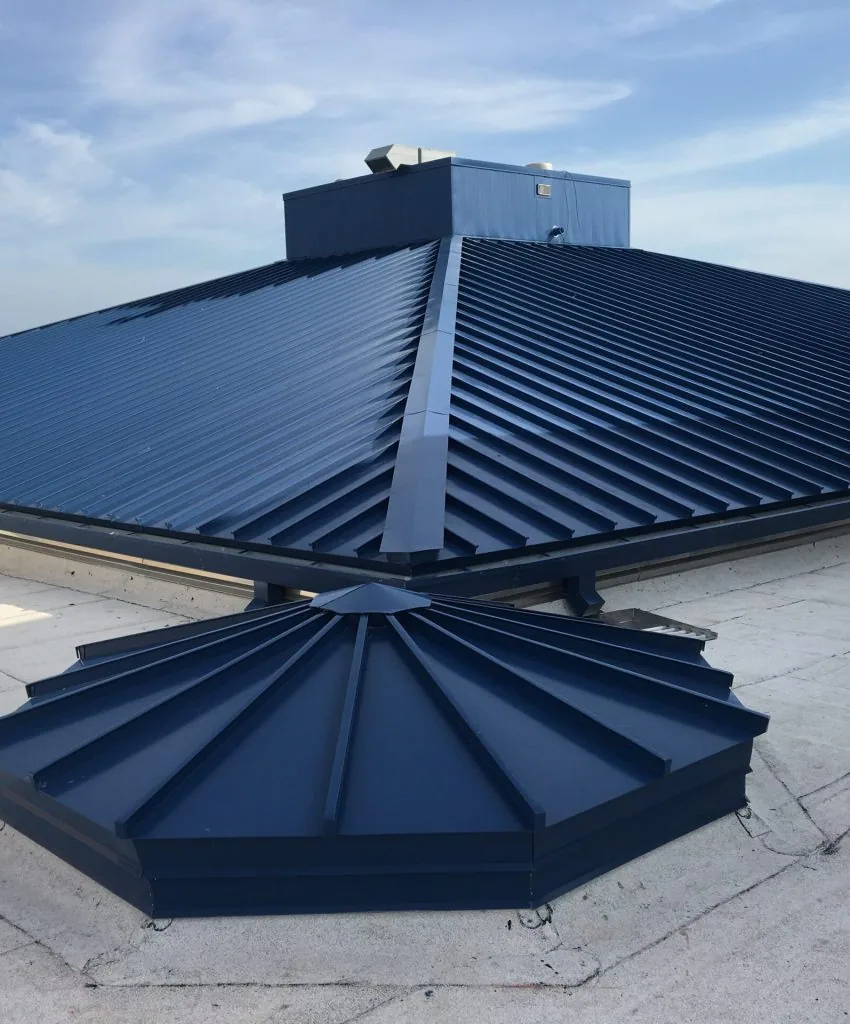
Added roof thickness can affect the EPDM detail elevation even when the roof outline stays the same. We compare accessible curbs and terminations with the proposed supporting section and flag reconstruction requiring review. Share equipment drawings and another trade’s tasks before the phase is priced. Facilities can arrange those releases ahead of the permanent roof connection, retaining closure between separate periods. Field installation elsewhere should not return unfinished units or wall details to service merely because the broad membrane area has been covered.
Keep the completed scope separate from concerns
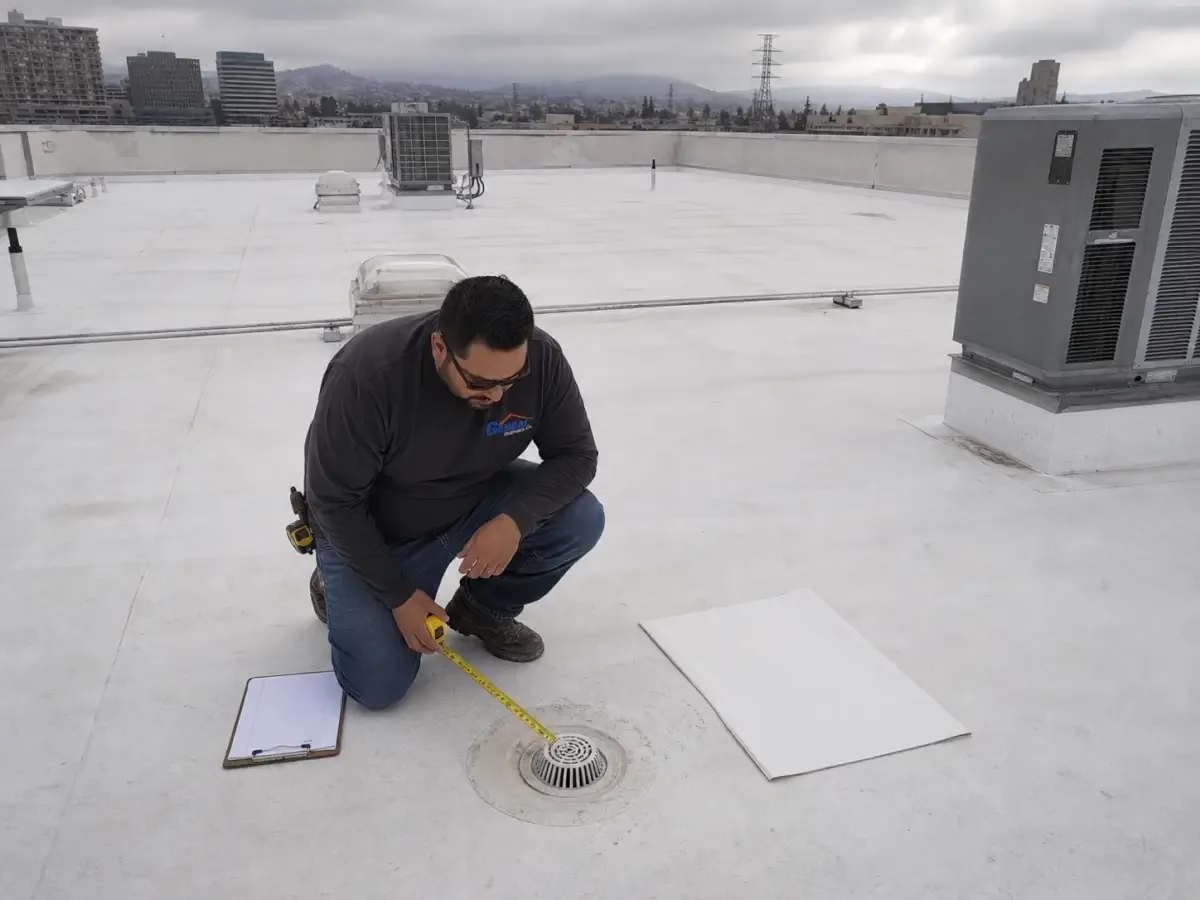
For a healthcare roofing assignment in Concord, identify the subject building and operator's access requirements before planning the task.
Current conditions must suit the selected joining materials and supporting surface before permanent work is performed. We assess readiness, record installed construction and retain agreed checks with completed connections. Actual warranty documents need their own notice and alteration requirements reviewed, without a coverage promise from the membrane family. Facilities can coordinate adjacent tasks after the relevant permanent interface and applicable project review. The maintenance log then distinguishes work actually completed from blocked equipment, unresolved roof concerns and remaining records, instead of a general EPDM label obscuring the assigned endpoint.
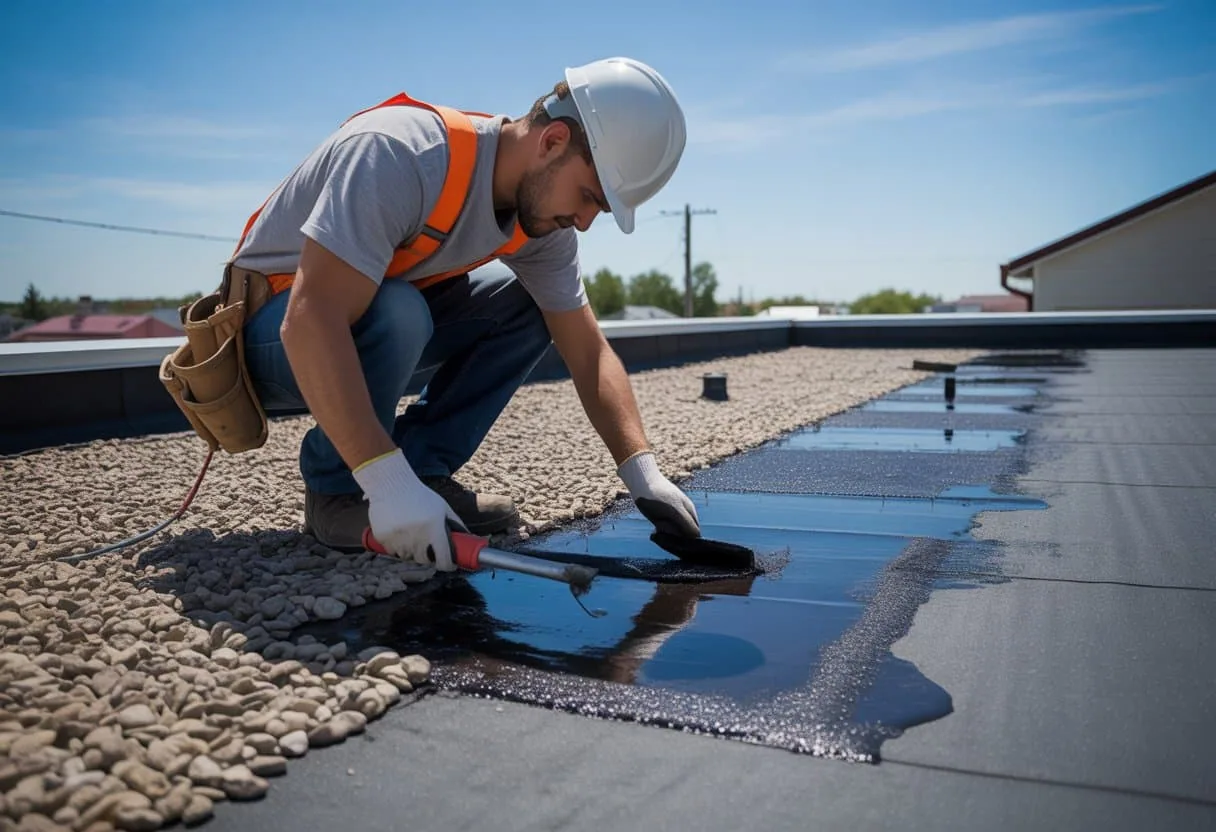
Keep field seams and perimeter terminations in the same scope. An EPDM assembly relies on a specified seam method and a complete transition at walls, drains and equipment. Confirm whether the proposal uses tape, adhesive or another approved component at each detail, and check the manufacturer's preparation requirements for the actual substrate. Field membrane quantity alone does not include the work needed to close a curb or terminate at metal. In Concord's wet winter, the installation sequence should also state how each open section will remain protected between work periods. Properties near Downtown Concord and Walnut Creek still need their own roof-zone map and operator release. Keep previous patches and changed equipment locations visible during the survey, then show completed seams and deferred transitions in the handoff record so future maintenance can identify the installed assembly.
Commercial Roofing Questions
What should an EPDM section include?
Identify the actual rubber product, supporting layers and compatible joining components. State complete permanent details before relevant acceptance and procurement.
How should an old seam repair start?
Assess material identity and accessible surface condition. Confirm the relevant water path before assigning preparation and a compatible permanent patch.
Does a small opening define supporting removal?
Confirm concealed condition and the repair boundary. Keep supporting replacement and approval of extensions distinct from the visible membrane defect.
How should rubber and thermoplastic options compare?
Carry each to the same installed endpoint while stating different preparation and joining. Do not assume their components or detail tasks are interchangeable.
What establishes a useful handoff?
Retain actual installed materials, completed interfaces and agreed checks. Keep unfinished equipment and document requirements separate from membrane placement.