

Silicone Roof Coatings in Concord, CA
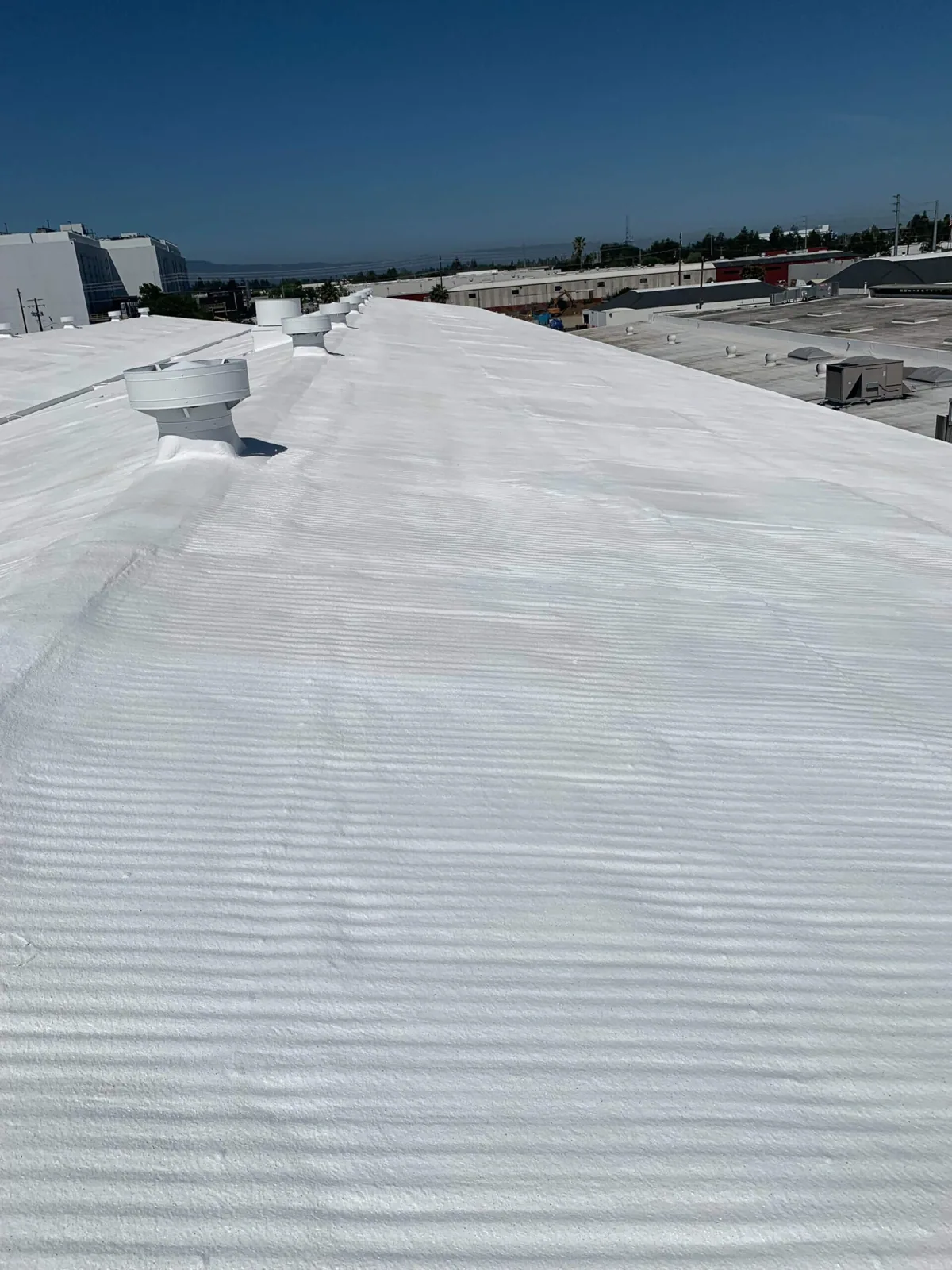
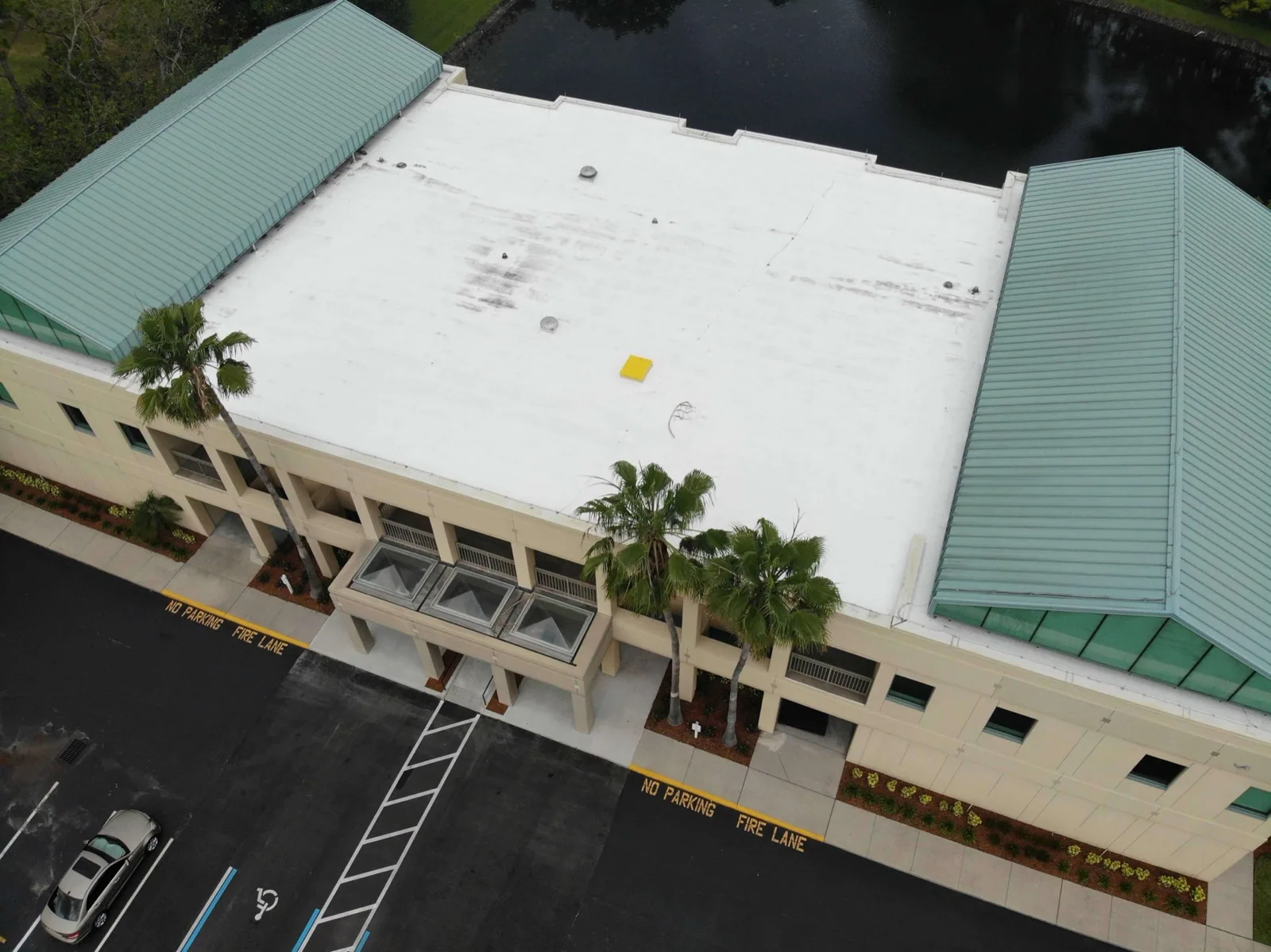
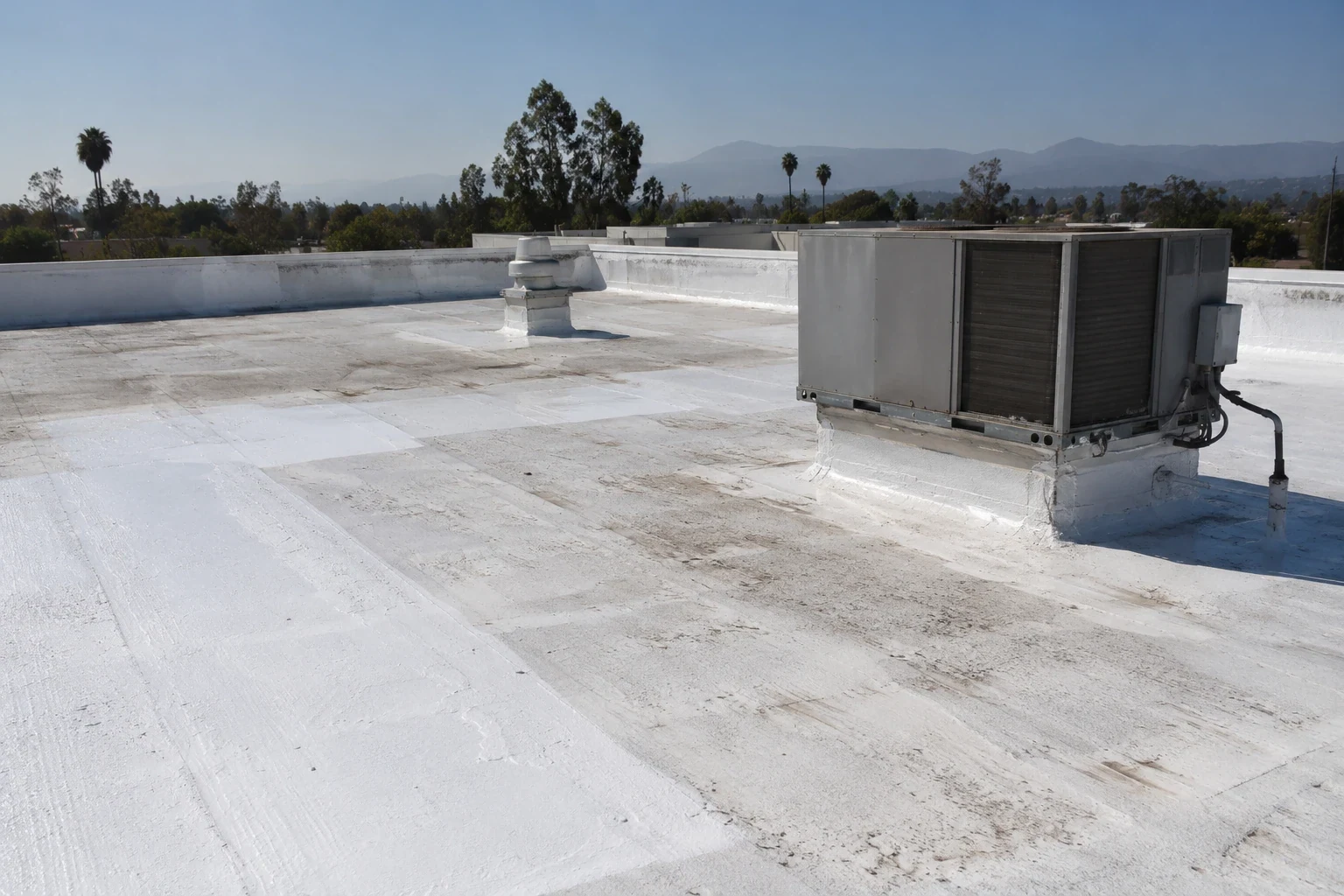
A municipal service roof above public activity needs its facility director to establish whether the existing construction can support the coating option before an application period is booked. Silicone roof coatings in Concord, CA, start with the actual selected system and supporting condition. We identify preparation, permanent repairs and application tasks with the operator’s building limits. Bring current roof records and product information into the request. For a municipal roofing assignment in central Concord, identify the subject structure and its authorized access requirements before planning the task. A proposed coating task there needs the designated roof and actual facilities releases identified with the system. We discuss material routes and equipment protection before the phase is priced. Facilities can coordinate the treatment using ready supporting construction while unresolved condition questions remain visible. A surface application should follow an assessed preparation endpoint, rather than the selected family label establishing universal suitability, project acceptance or a service-life result for the roof beneath it.
Establish the selected coating and substrate
The actual silicone system needs its intended substrate, compatible materials and application requirements identified for review. We describe the selected construction with relevant product information and project documents before permanent quantities are accepted. Ask which findings support the substrate decision and which checks remain pending. Facilities can compare a defined treatment endpoint rather than a broad coating label standing in for every preparation task. The material family organizes the option, while the actual system and supporting surface establish the work needed for permanent application at the assigned roof.
Is the substrate decision complete?
A silicone restoration work scope should include permanent repairs and preparation beside the field application. We identify established correction and retain condition questions needing further confirmation. Facilities should review those tasks before procurement depends on all existing layers staying. A treatment area does not establish concealed moisture or the condition of every old connection. The installed obligation reaches a suitable supporting surface and completed details rather than a visible application quantity being used to imply the entire roof has been assessed.
Confirm moisture and permanent repairs
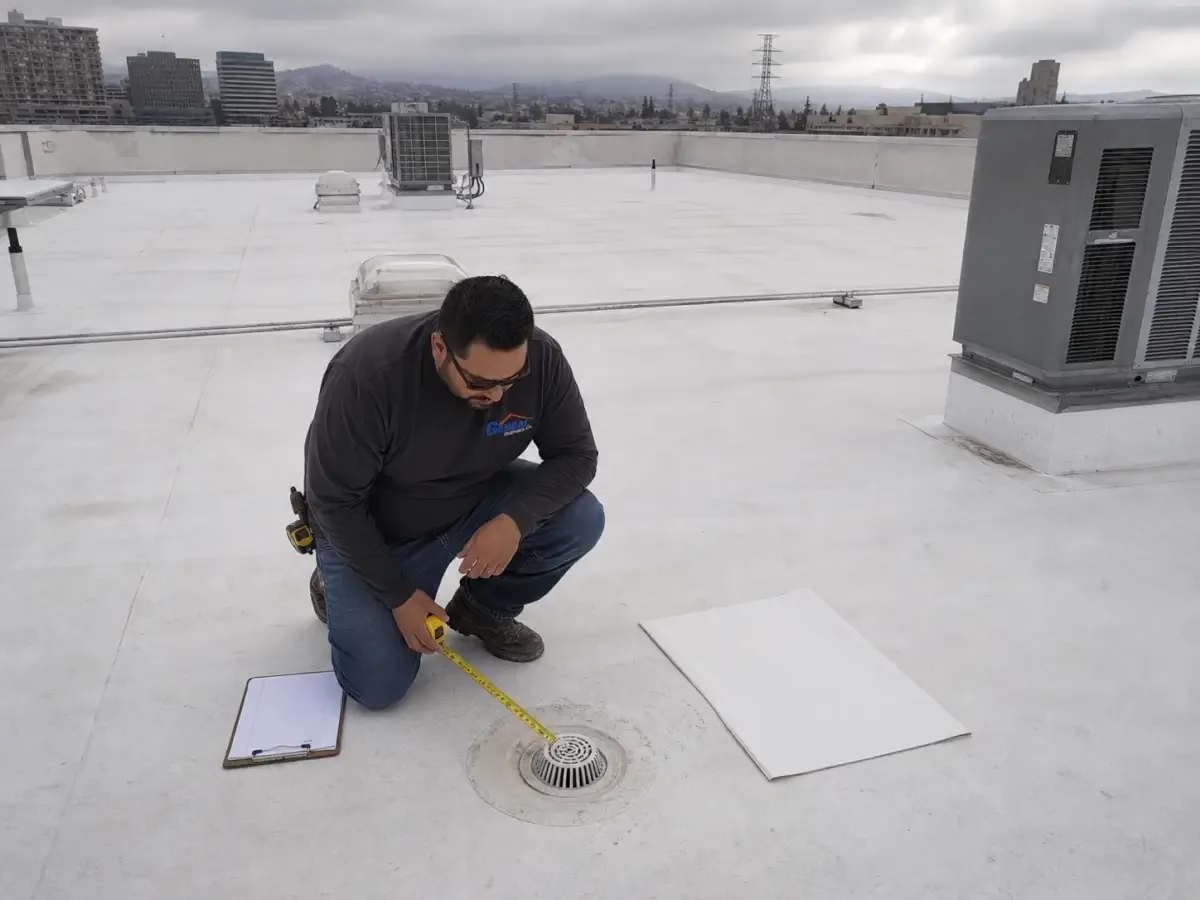
Suspected damp material needs appropriate examination before removal or retention becomes final. We distinguish indications from established supporting condition and explain checks relevant to the treatment proposal. A supporting moisture survey can guide relevant examination under its actual method requirements, with confirmation retained before final quantities. Facilities can coordinate that work rather than let a surface appearance approve all concealed layers. A coating cannot remove wet insulation beneath the membrane, so supporting correction remains an independent construction task where findings establish it.
Confirmed removal adds disposal, replacement support and transitions into the retained roof. We describe the actual preparation endpoint with a measurement and approval basis for extensions found after opening. Facilities can review changed work while closure remains assigned. Known correction and remaining investigation should be separate in the request, with permanent application following a suitable surface rather than hiding unresolved layers under new treatment. This makes the field quantity useful in a complete scope, instead of a low coating allowance concealing supporting reconstruction necessary to reach the chosen installed endpoint.
Define detail treatment and compatible components
Seams, walls and equipment interfaces need the actual selected system’s permanent detail requirements reviewed. We identify the connection, preparation and compatible components with the relevant project checks. Ask for those tasks beside the field treatment quantity before orders. Facilities can then compare completed roof endpoints rather than application area alone. A visible detail count does not establish identical backing or joining work at every location, and a broad system description should not assign every accessory without identifying the actual material and construction that need to be treated.
A selected acrylic treatment alternative requires its own suitability and application basis where offered. We describe changed preparation and permanent materials while keeping the same assigned roof endpoint for comparison. Submit the complete option for relevant acceptance before procurement. Facilities can evaluate actual supporting and detail tasks rather than assume coating families are interchangeable or need identical installation periods. A field-price saving should remain separate from the preparation or interface changes necessary to complete the selected treatment construction.
Arrange the building releases for application
The operator’s actual equipment and occupied-area requirements need review with the method proposed. We discuss material movement, protection and the boundaries available during the building period. Facilities should retain those releases beside preparation rather than assume a broad roof date permits every application task. Another trade may need to release a unit or provide supporting work before its permanent detail is available. State that dependency before the phase, with protection between separate periods assigned instead of field treatment elsewhere closing an unfinished equipment interface.
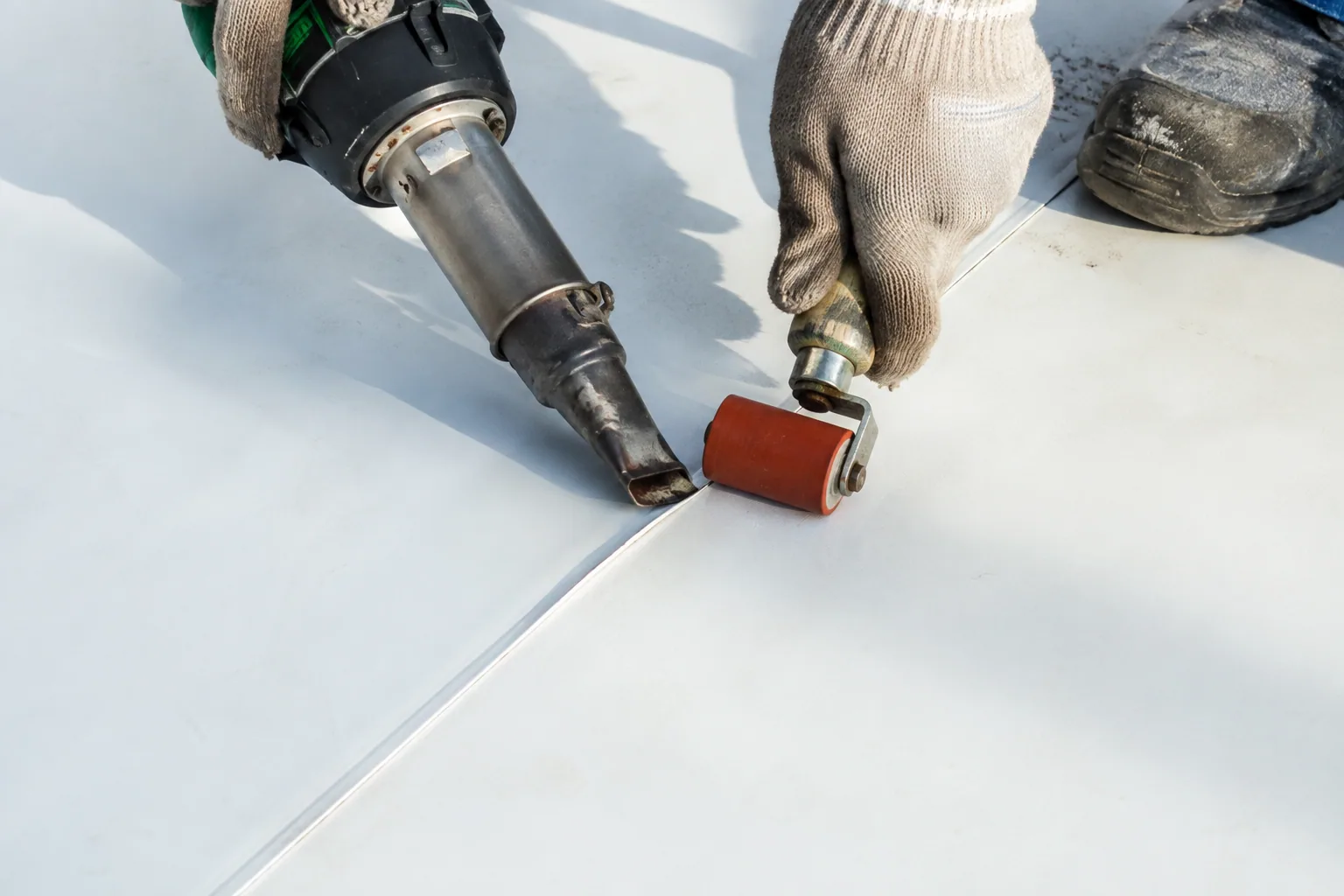
A new TPO membrane construction option should carry its separate supporting section and connection tasks if proposed instead of treatment. We compare removal, preparation and installed endpoints using the same actual building plan. Facilities can review acceptance and construction differences before orders. Similar roof area does not establish equal retained-layer suitability or installation labor. The alternative should make every supporting and detail obligation visible, so a lower upper-material figure is evaluated against complete permanent construction rather than a general field description.
Keep application and records tied to the system
For a healthcare roofing assignment in Concord, identify the subject building and operator's access requirements before planning the task.
Current substrate and material conditions must suit the actual selected application. We assess preparation and readiness before permanent work, then retain installed system information, supporting repairs and completed interfaces with agreed checks. Applicable warranty and maintenance documents need their specific requirements reviewed, without a result promised from the family name. Facilities can coordinate adjacent work after the relevant permanent connection and project review. The handoff should distinguish completed treatment from unresolved equipment, concerns and record tasks so the maintenance log identifies what construction was actually reached during the assigned phase.
Verify compatibility before choosing a coating overlay. A silicone coating decision starts with the existing membrane, prior repairs and the preparation that will let the proposed system bond. Identify test areas, required cleaning, repair materials, reinforcement at seams and the specified wet-film thickness. Ponding tolerance should be checked against the manufacturer's system requirements, not treated as permission to leave failed drains or unstable insulation in place. At Contra Costa properties, fall rain makes drainage readiness relevant before a coating project reaches its seasonal window. Ask how the contractor will measure application and document repairs concealed by the finish. Compare the complete restoration scope and expected inspection routine with replacement so the owner understands both the initial work and the continuing upkeep.
Commercial Roofing Questions
What should establish the silicone treatment basis?
Identify the actual system and substrate requirements. Retain assessed supporting findings and permanent preparation before the application order.
Can coating resolve wet insulation beneath it?
Confirm supporting condition and define needed correction separately. Carry removal, replacement and transitions beside the field treatment where findings require them.
How should an acrylic option compare?
Review its actual suitability and application requirements. Preserve the same permanent endpoint while stating changed preparation and compatible detail work.
What needs coordination around equipment?
Define operator protection and the task that releases each connection. Keep closure between separate periods visible while permanent details remain blocked.
What should the treatment handoff retain?
Record actual installed system, repairs and completed interfaces with agreed checks. Follow specific maintenance and warranty documents independently from the family label.