Commercial Roof Inspection in Concord, CA
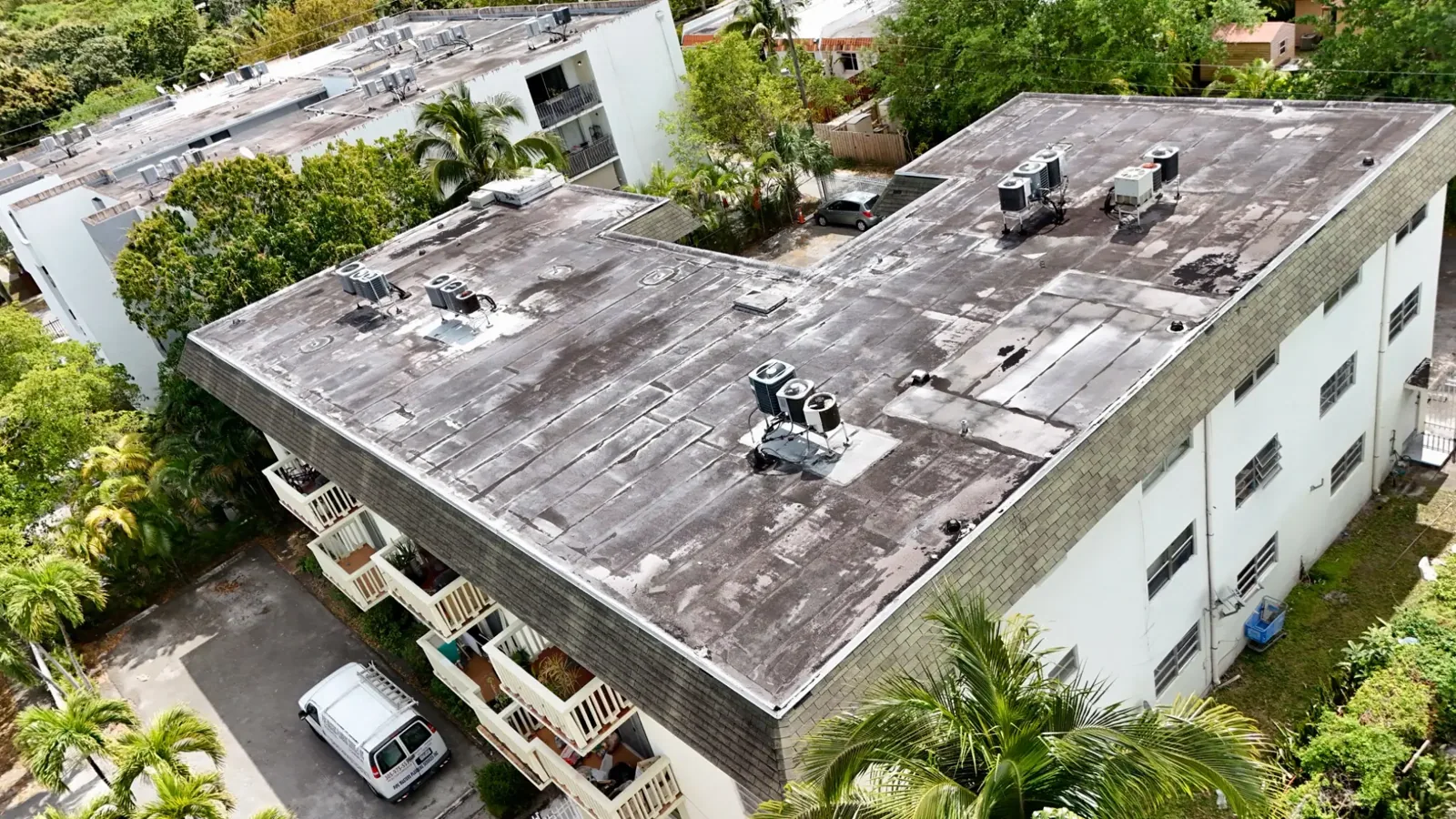
An occupied civic building needs its facility director to protect public use while getting roof findings that support a real maintenance decision. Commercial roof inspection in Concord, CA, starts with the building and the question the assessment must answer. We examine accessible material, connections and supporting information, then distinguish observations from investigation still needed. Share the maintenance log and your next budget or repair decision before the visit is arranged. A useful inspection gives facilities defined findings to act on rather than a broad roof opinion that leaves access limits and concealed conditions unaddressed.
For a municipal roofing assignment in central Concord, identify the subject structure and its authorized access requirements before planning the task.
Define the question before inspection
A leak complaint, retained-layer proposal and capital replacement decision can need different inspection tasks. We identify the intended decision and describe accessible findings relevant to it. Provide marked concerns, available drawings and past repair information before the scope is priced. Facilities can then arrange observation areas with a clear purpose, including further confirmation where necessary. The assessment should explain what was seen and what remains concealed, rather than a generic visit being used to establish every source, supporting boundary or material requirement for later permanent construction.
A source-focused leak assessment needs reported interior locations and timing beside roof-side observations. We compare accessible seams, flashing and equipment interfaces and flag relevant checks still needed. Water can appear away from the entry path, so the symptom alone should not establish the exact repair. Facilities can coordinate interior and roof releases together, with the inspection boundary tied to confirmation required before installation quantities are committed. That keeps a useful observation separate from an unexamined conclusion about every affected supporting layer.
Describe accessible construction and limits
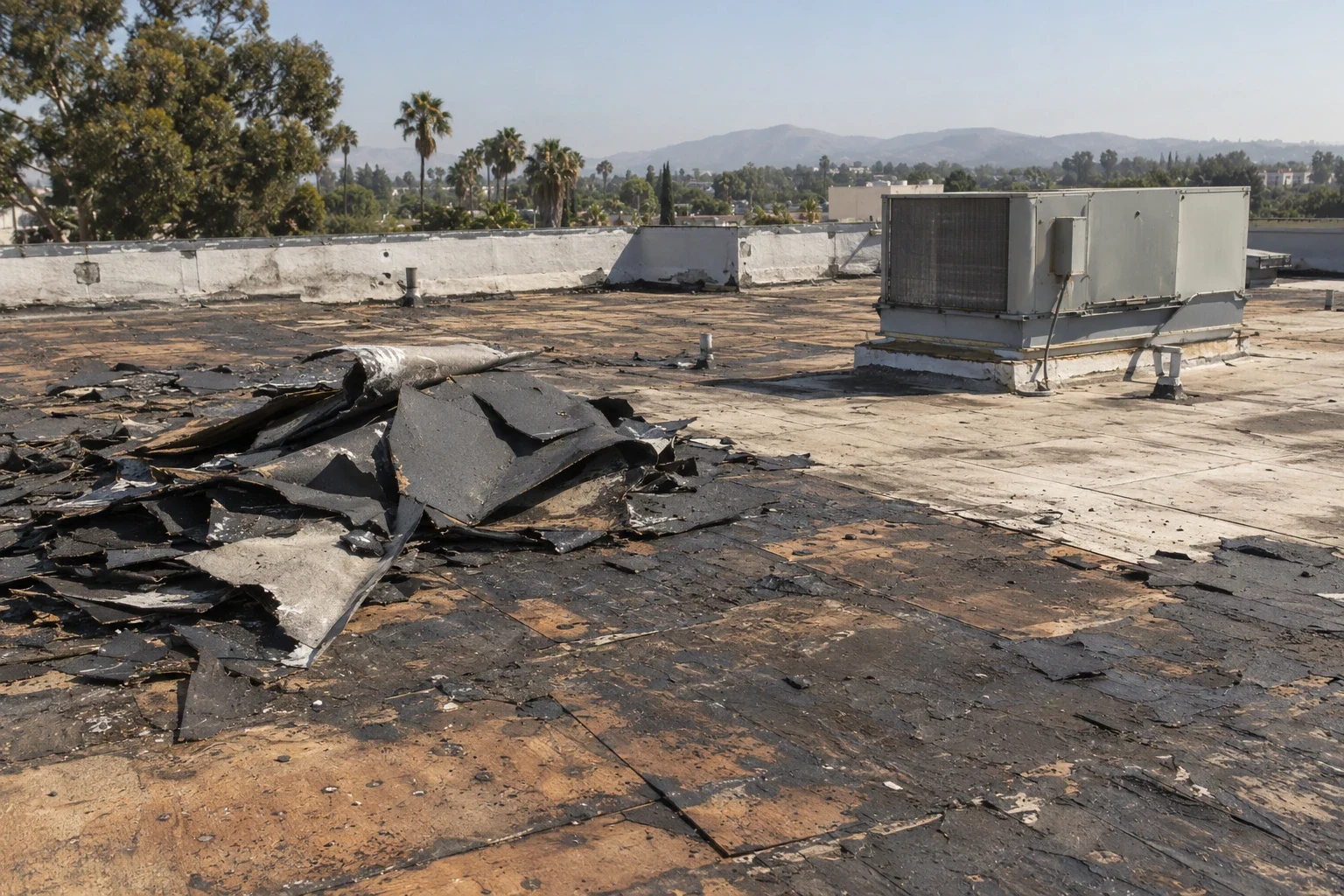
Visible material and records can help identify the existing assembly, but concealed layers may require separate investigation. We compare exposed sheet, details and supporting information without treating an upper surface as proof of every condition below it. The scope should identify unavailable areas and the confirmation needed for the decision being considered. Facilities can then distinguish observed findings from assumptions before procurement. This makes the report useful for permanent work because the construction endpoint can follow an assessed basis rather than an unsupported conclusion drawn from a limited roof view.
When a retained-layer decision depends on moisture, a suitable moisture-survey scope can guide relevant confirmation. We identify suspected areas separately from established wet construction and explain further checks needed. An indication does not by itself establish every removal boundary. Put that follow-up ahead of orders relying on retention. Facilities can then compare known supporting repair with investigation still needed, rather than treat a continuous-looking surface or one observation as approval for new material over every existing layer.
Connect findings with repair endpoints
A TPO assembly assessment should identify the actual material and compatible detail requirements relevant to the proposed work. We compare records with accessible condition and note earlier patches or interfaces needing more examination. Bring product information where available so preparation and joining questions can be resolved before repair components are selected. A broad family label cannot establish every accessory choice. Findings should support a defined permanent connection, with material-identification and supporting questions retained where the available construction does not yet answer them.
A review of an EPDM roof option requires the actual proposed section if broader work is being compared. We identify changed supporting and detail tasks rather than copy an inspection conclusion from one assembly to another. Submit complete alternatives for applicable project review before procurement. Facilities can use the report to compare permanent endpoints while keeping field-material differences separate from removal, preparation and connection obligations. Similar roof areas do not establish equivalent construction, interchangeable components or readiness for every later application task.
Arrange the building and equipment route
An inspection may need interior observation, roof access and relevant equipment information in the same work period. We describe those tasks with the facilities contact before the visit is scheduled. Share keys and escorts arrangements, permitted zones and any equipment restrictions tied to the assigned assessment. This makes the available period useful rather than assuming a calendar opening provides access to all locations. Where a connection remains blocked, the report should identify it clearly so later repair or capital quantities are not approved as if that interface had been examined.
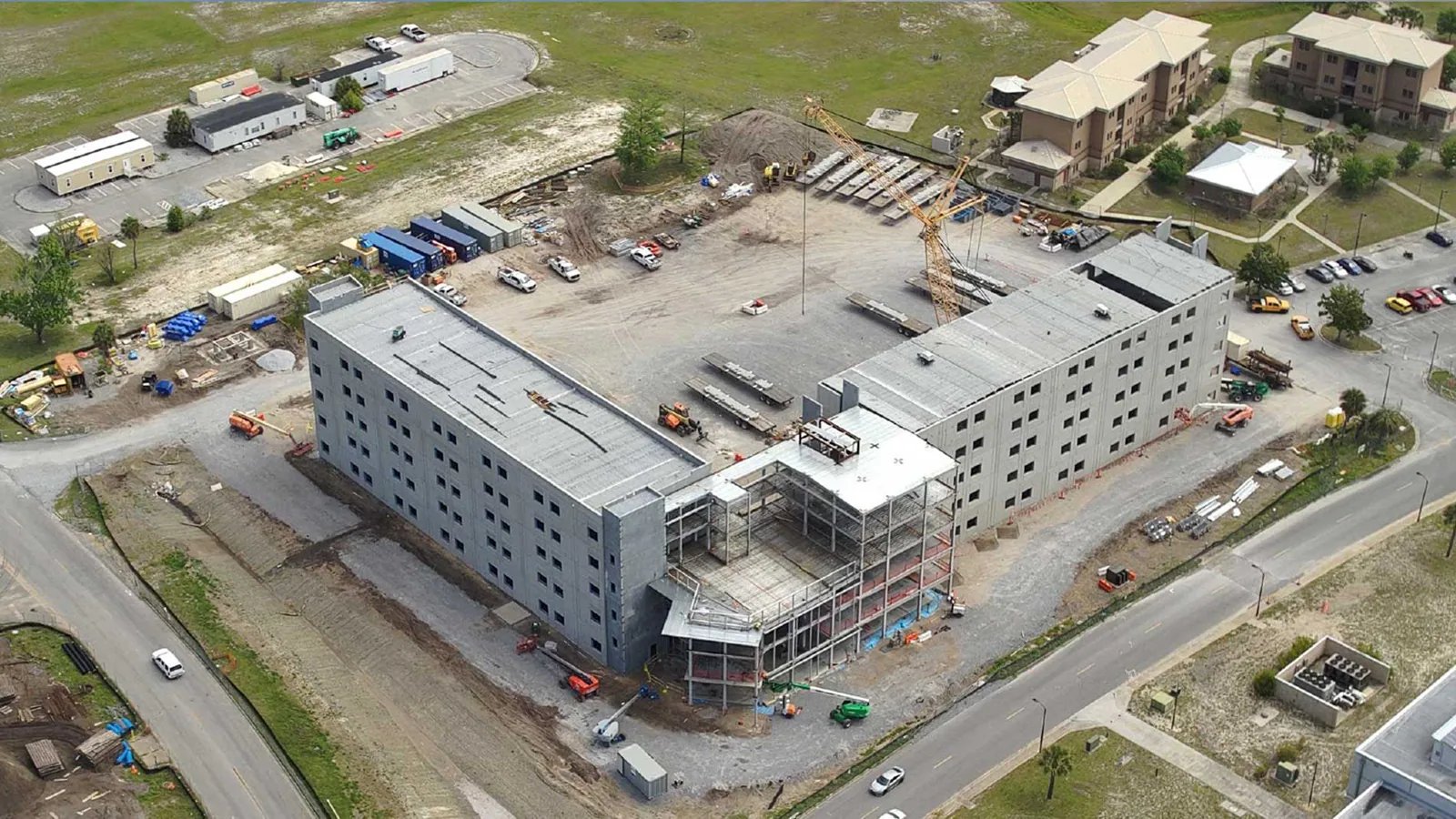
Hospital space has its own operator releases to establish. For a healthcare roofing assignment in Concord, identify the subject structure and its authorized access requirements before planning the work. A proposed roof assessment around the downtown Concord area should retain the assigned structure and actual facilities requirements with its investigation scope. We discuss overhead exposure and relevant rooms for that task. Common reporting expectations can help facilities review multiple requests, while inspection access, equipment dependencies and unavailable construction remain attached to the specific roof that was assessed.
Record observations and the next decision
The report should describe findings in a way that leads to a defined next work request. We distinguish assigned repairs, further confirmation and concerns that remain on the deferred list. Facilities can then arrange the relevant review or construction before a budget allowance is treated as an installed scope. Include permanent endpoints and supporting questions beside the observations, with remaining access limits stated. That preserves the assessment’s practical value without turning a visible finding into an unsupported conclusion about concealed moisture, roof-wide suitability or every future repair task.
Keep the report with available assembly and maintenance records so later work can follow the actual findings. We discuss required project documents and any applicable warranty review separately from roof observation. Actual terms need assessment before alterations, without a promised coverage result from the report or material family. The inspection date does not establish current application readiness for subsequent installation. Facilities should coordinate later permanent work against its selected materials, condition and operator releases, using the report as a defined decision basis while unresolved construction and document tasks remain visible.
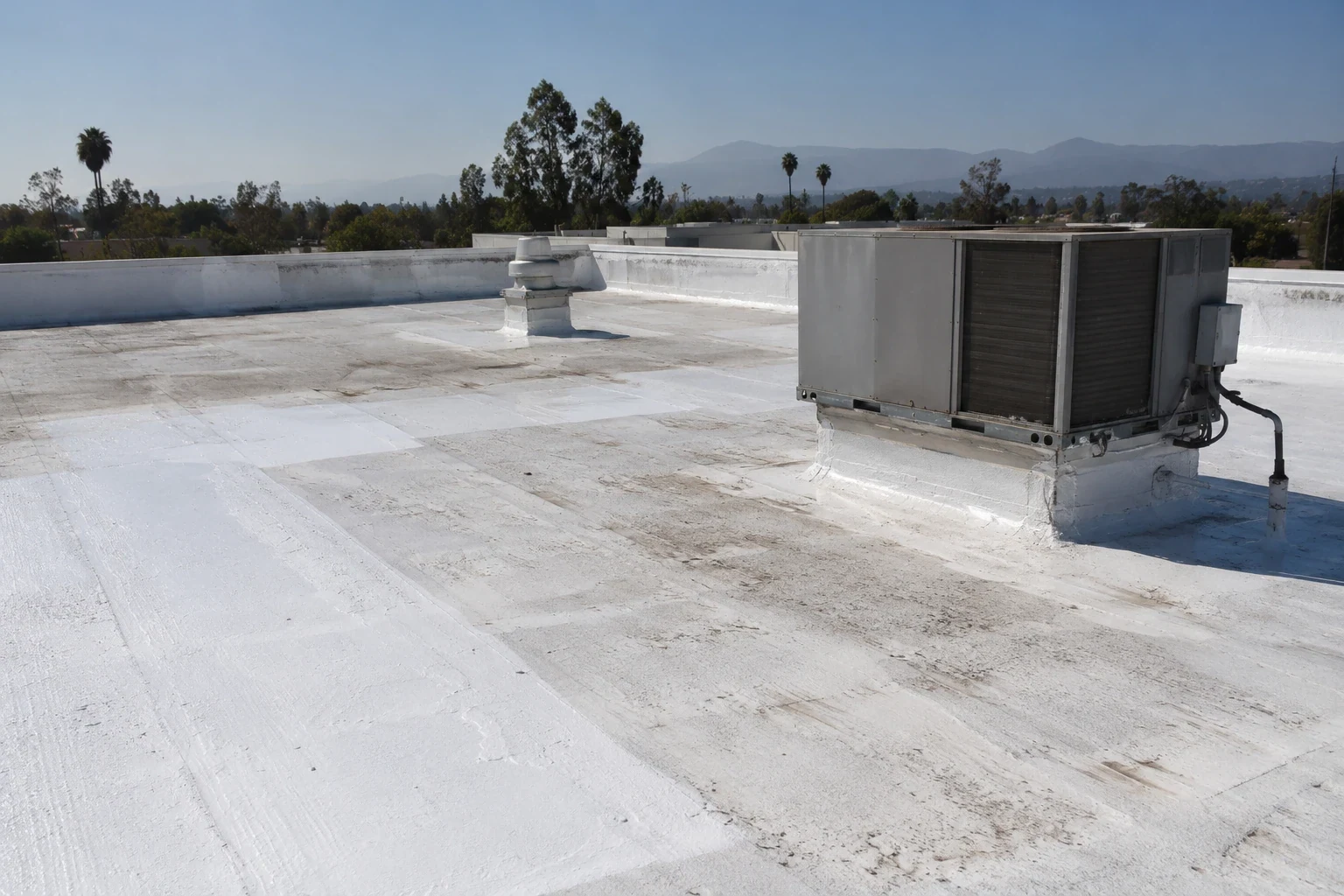
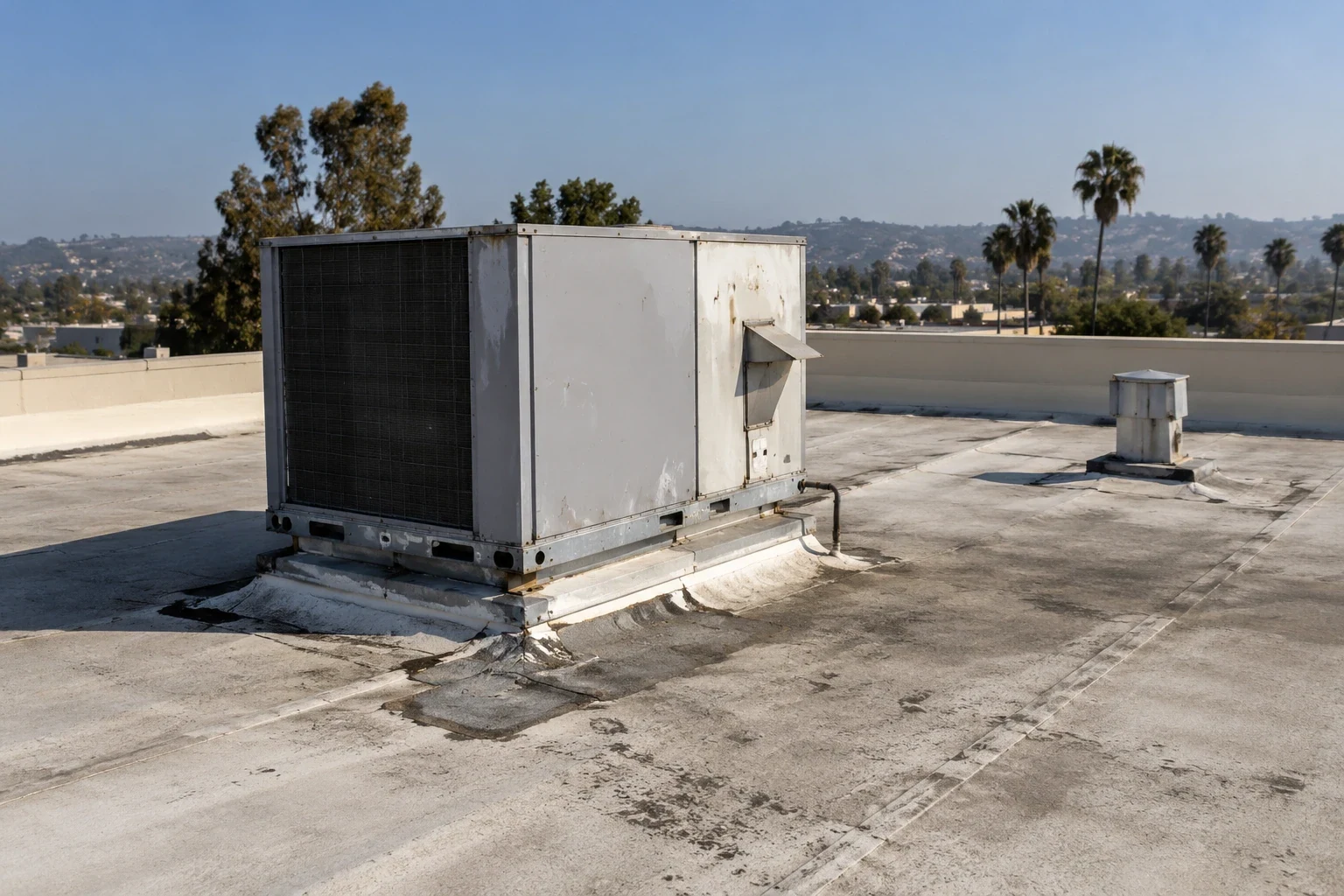
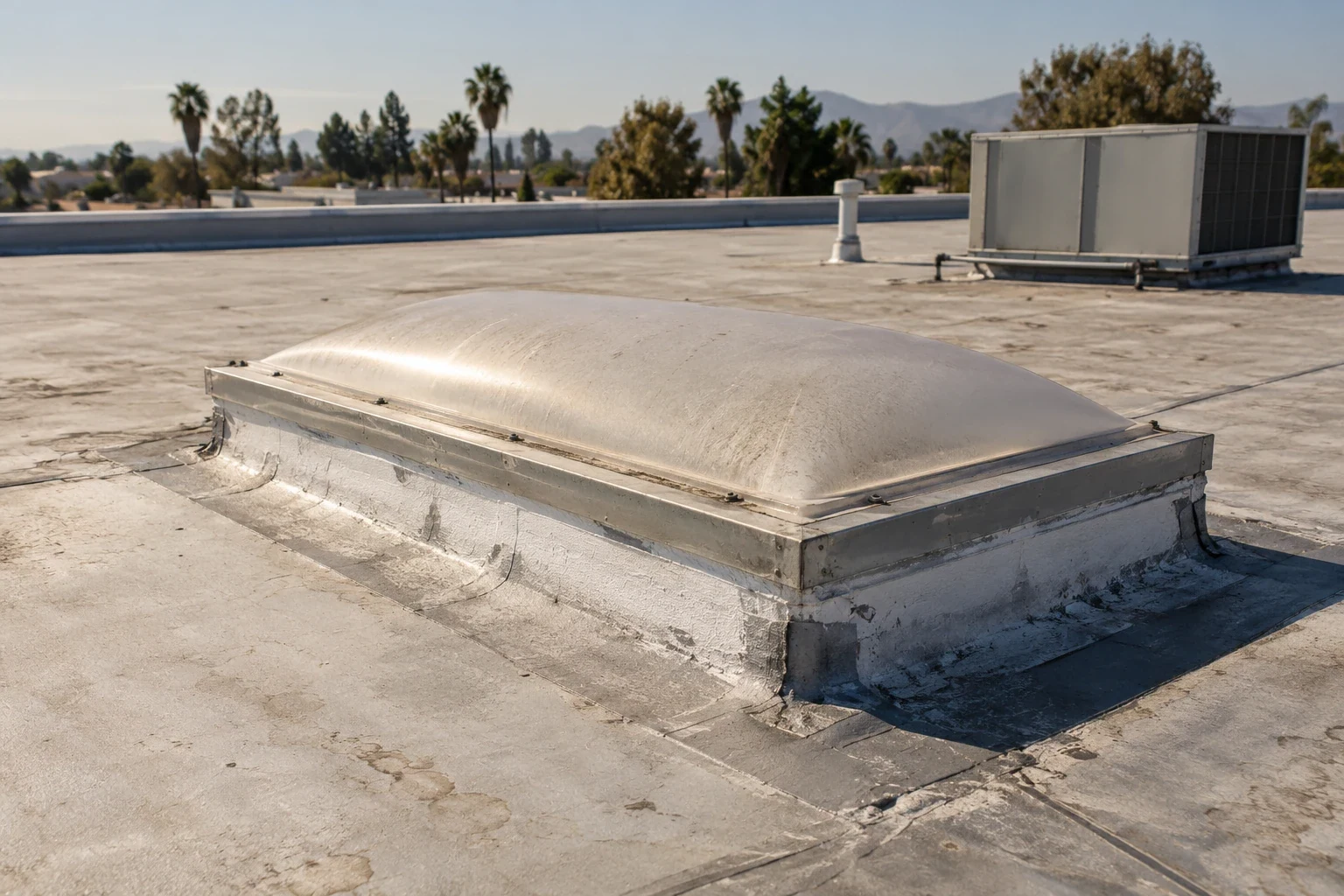
Set an inspection boundary the report can defend. Before a survey, confirm which roof sections, elevations and equipment areas are accessible and what question the owner needs answered. A visual inspection can document visible conditions; moisture testing or an opening requires its own method, permission and interpretation. Ask the report to show accessed zones, photos, observed defects, inaccessible areas and recommended follow-up separately. In Contra Costa's cool, wet season, interior reports may help prioritize a visit, but a stain does not replace roof-side evidence. Tie findings to a marked plan and identify whether a repair estimate is based on observed or concealed quantities. That keeps a condition report useful for facilities and procurement without implying the inspector examined a surface or assembly that was not released. At Downtown Concord and Concord Business Park, keep findings tied to each released roof.
Commercial Roofing Questions
What should I tell you before inspection?
Share the decision you need to make, marked concerns and available roof records. We define observations and confirmation relevant to that work request.
Does an inspection establish every concealed condition?
Separate accessible findings from unavailable construction. Identify further checks before a retention, removal or permanent repair quantity depends on concealed layers.
How should leak symptoms be used?
Compare timing and interior locations with relevant roof connections. Keep observations distinct from source confirmation before approving a permanent repair endpoint.
What should happen with blocked areas?
Record access limits and the follow-up needed. A report should not treat an unavailable connection as examined when later work depends on its condition.
How can the findings support maintenance planning?
Tie observations to assigned repairs, further investigation and the deferred list. Keep permanent construction and applicable document requirements explicit before the next scope is committed.