Manufacturing Plant Roofing in Concord, CA
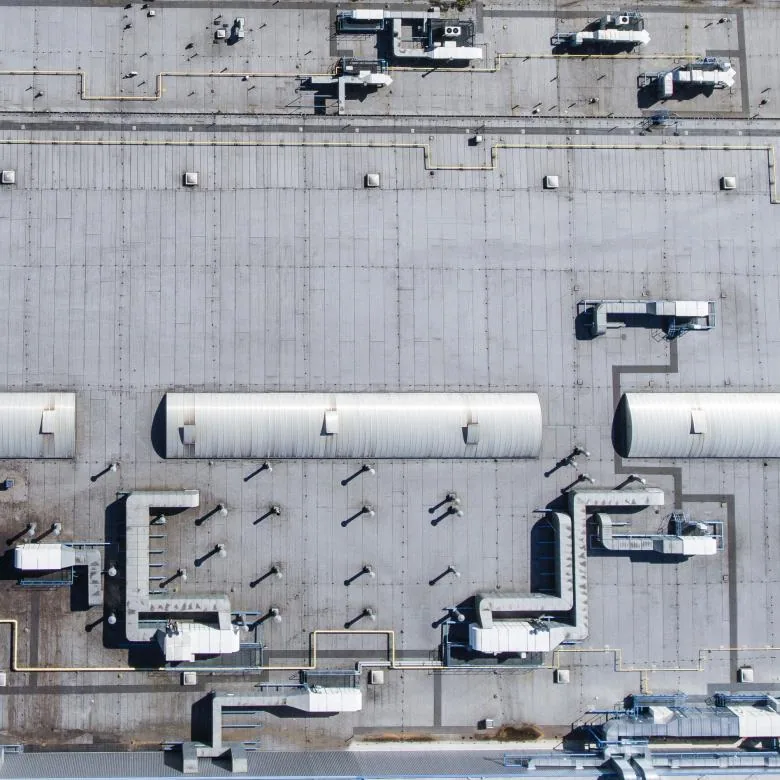
Production space beneath a proposed manufacturing roof project in Concord, CA gives the facility director a specific question: which equipment and processes need protection before roofing opens above them? We begin with the affected area and the exterior condition, then describe removal, preparation and closure as connected tasks. You can compare that work with the operating calendar and specialist requirements, keeping the practical sequence in the proposal before a material choice or preferred shutdown period commits the scope.
A drip near equipment can involve the roof connection, the unit itself or water traveling through another part of the assembly. We examine accessible seams, curbs and transitions and explain what the findings support. For active exposure, roofing emergency calls receive attention during nights, holiday periods and weekends. The responsible contact coordinates exterior entry, while you arrange interior protection and qualified electrical or equipment review where needed. A suitable temporary measure can address the discovered defect ahead of permanent preparation. Concealed condition still needs examination when it affects the correction boundary.
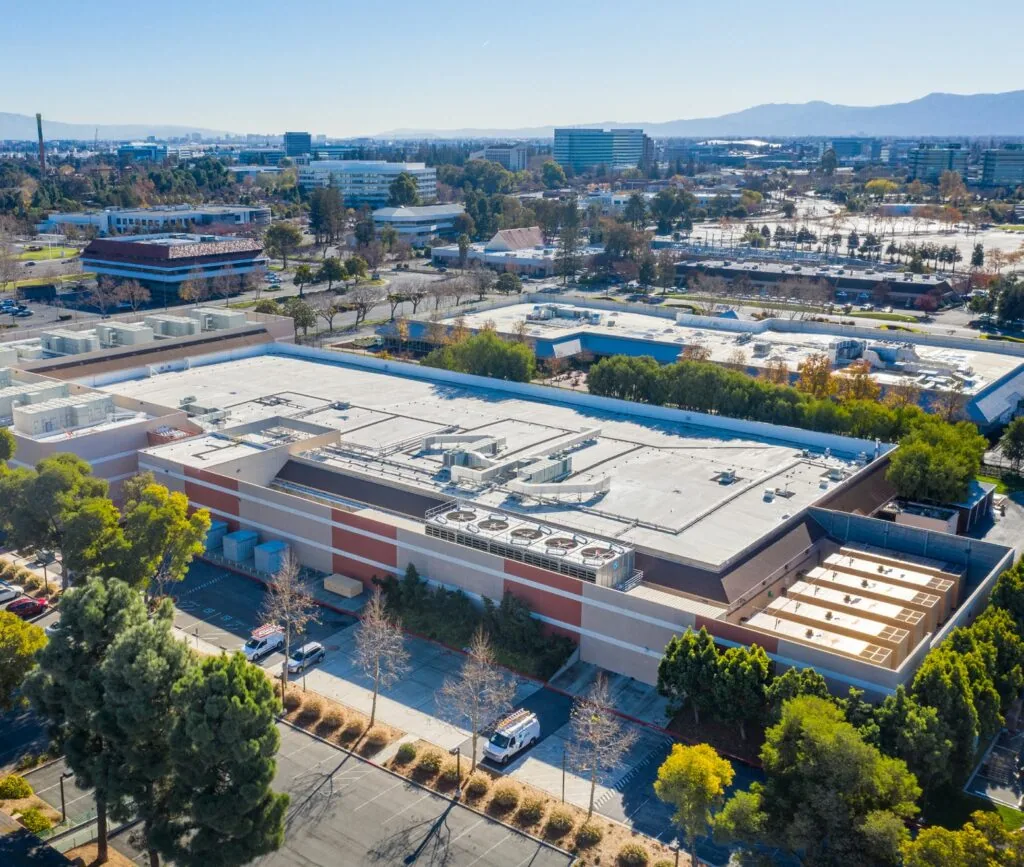
Separate the roof task from equipment operation
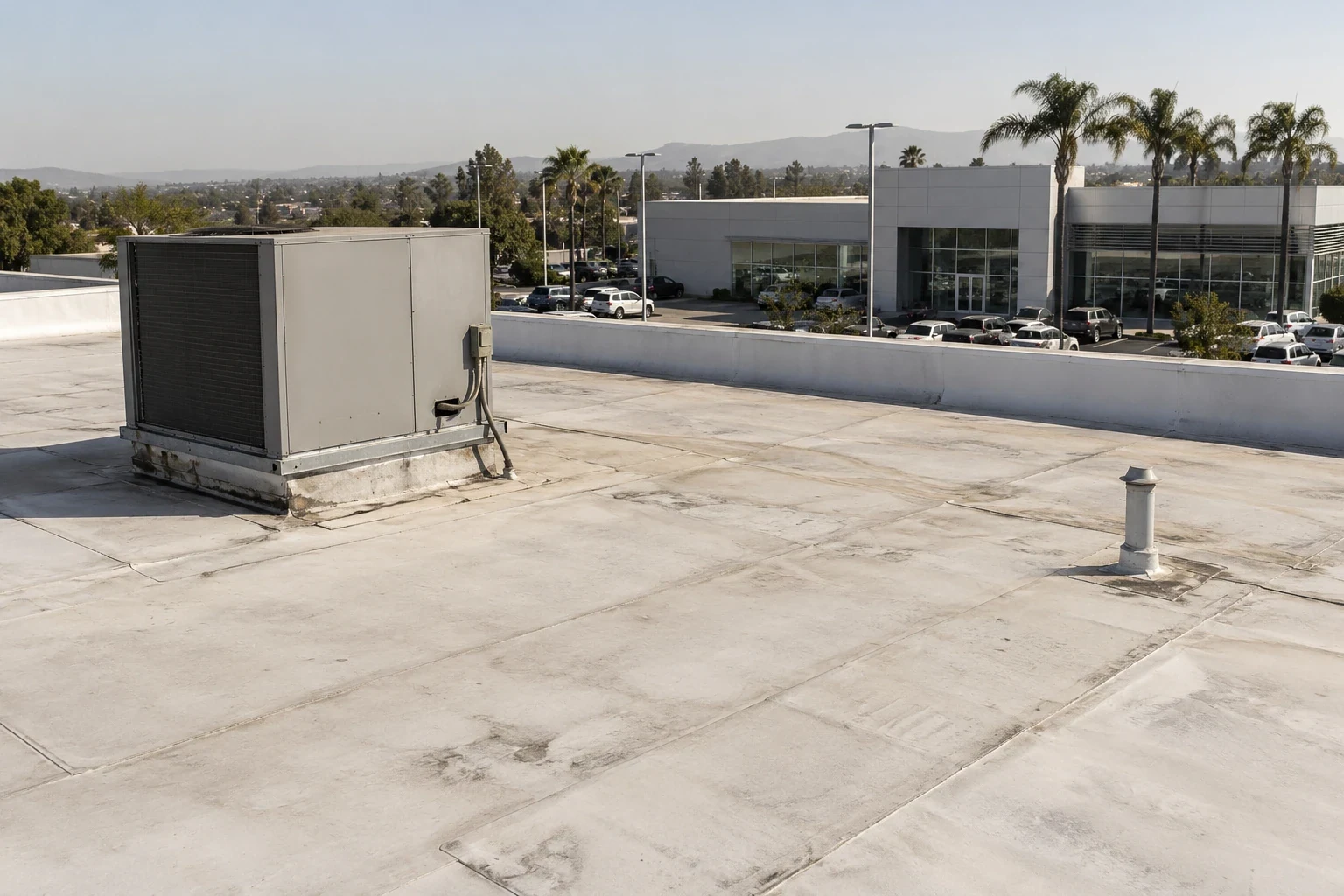
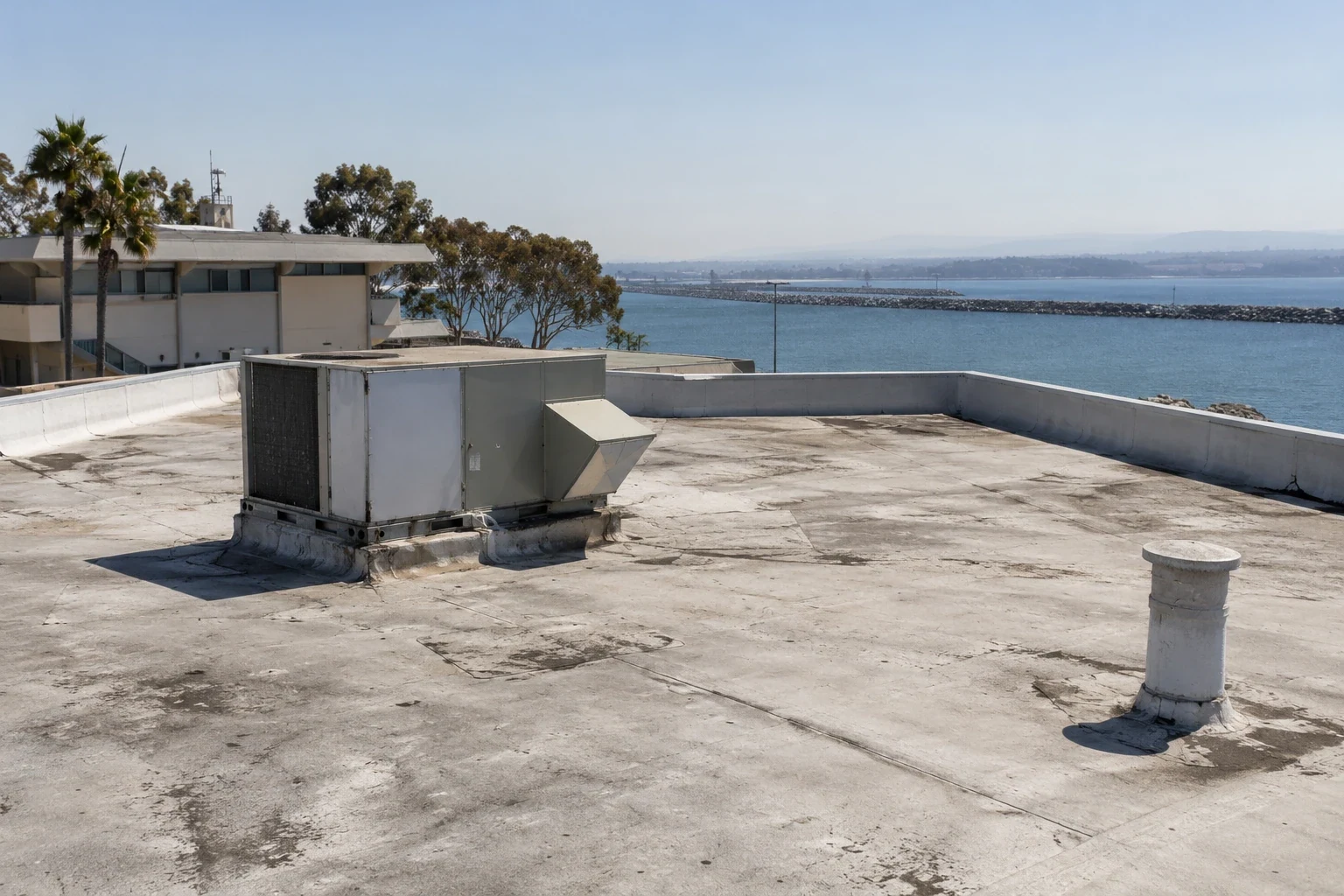
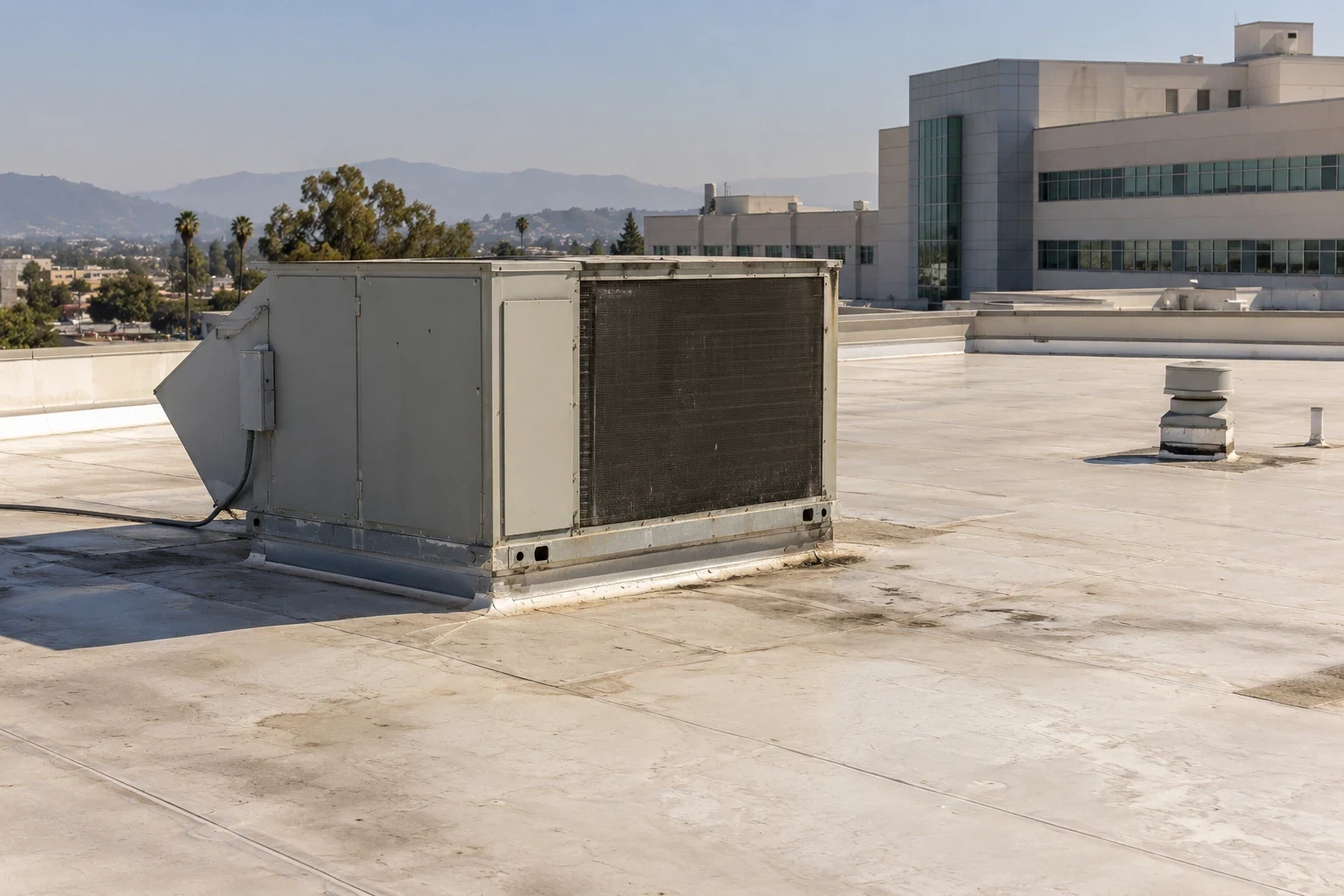
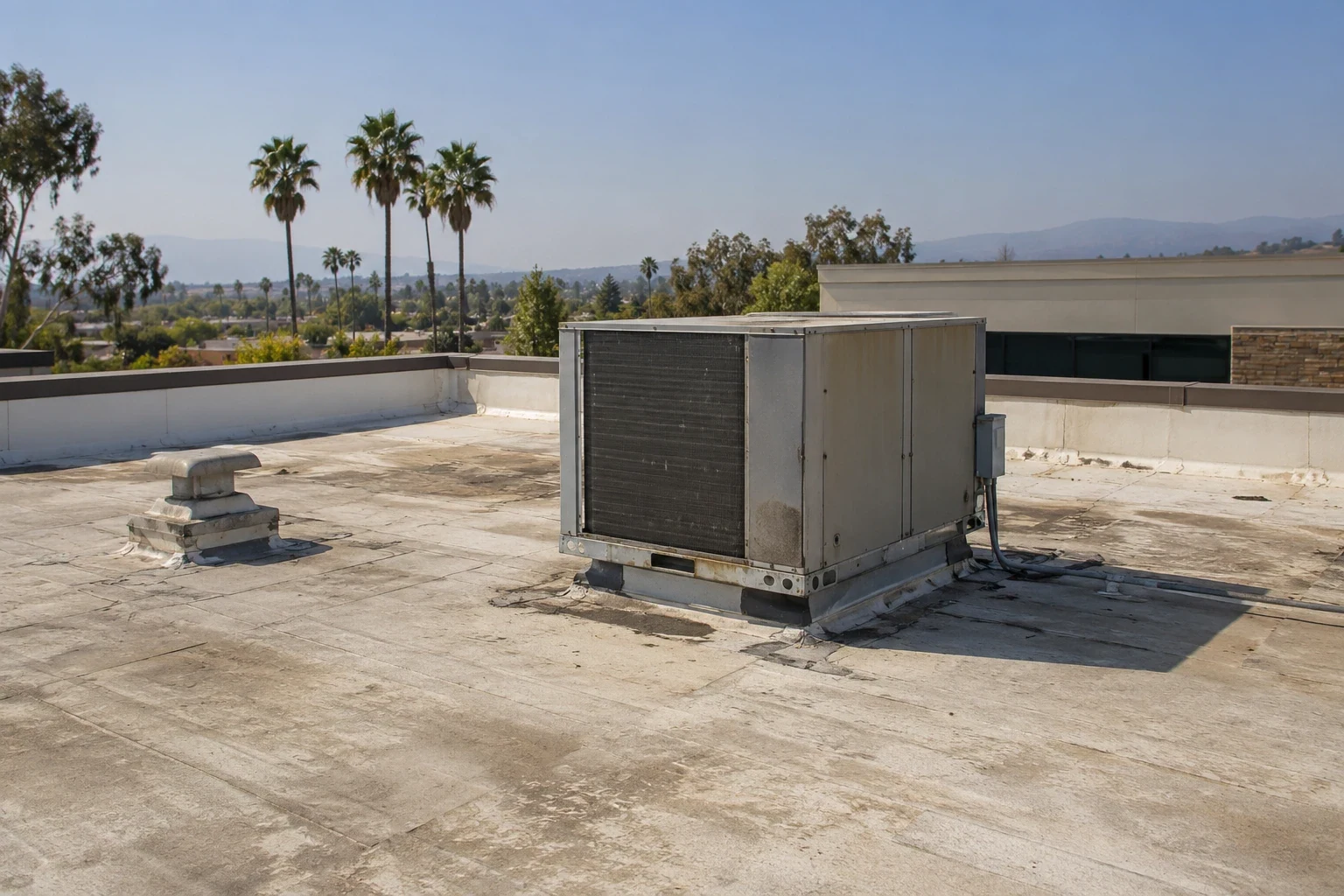
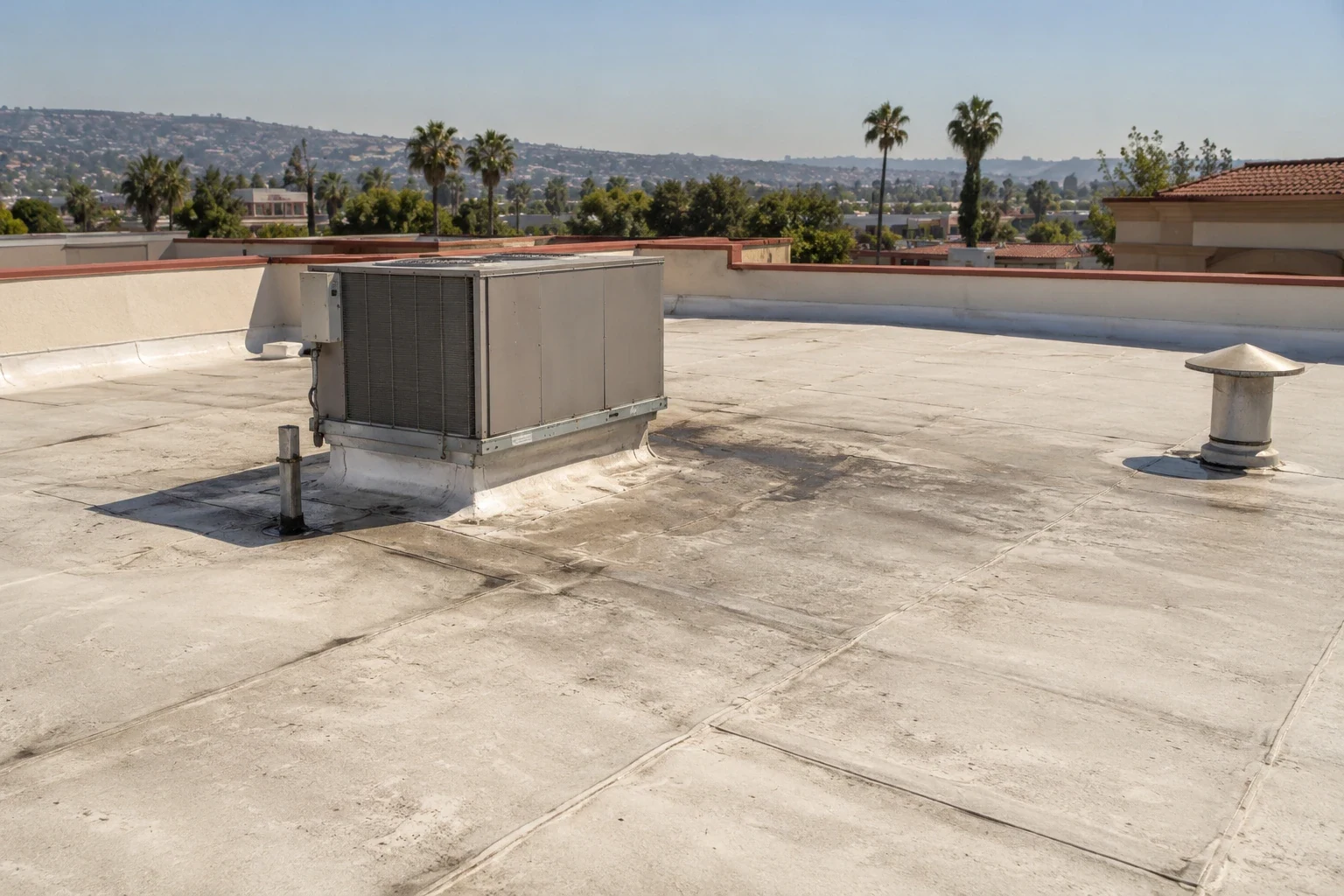
A unit over the production area may have a roofing interface and a mechanical drainage issue needing different attention. Manufacturing roof connections at equipment supports require review of the accessible exterior detail and working clearance. We identify lifting or adjustment required to reach usable material. Arrange that dependency with the equipment discipline before scheduling closure, with the operating restriction reviewed by the responsible facility contact rather than assumed from the unit's appearance.
A new support can also affect structure or another enclosure connection outside the roofing correction. We identify the interface and preparation we can assess, with loading and equipment decisions assigned to the appropriate design discipline. The proposal keeps these tasks distinct so component installation does not conceal an unfinished roof connection. You receive a defined exterior scope and the decisions preceding it, making the shutdown notice about work that can actually proceed instead of a date chosen without resolving access to the detail.
Prepare the contaminated or damaged surface
A membrane next to serviced equipment can have contamination, abrasion or a cut that changes how new material connects. Repairing manufacturing roof surface damage includes checking the adjacent covering and support. We select cleaning or removal appropriate to the actual assembly. A small opening may therefore need a broader usable perimeter, and surface preparation belongs in the scope rather than being treated as incidental labor around the visible patch quantity.
Moisture beneath the covering can affect which layers remain after repair. We explain the observations and investigation needed where its result changes retention. An opening made to examine backing needs suitable restoration and protection for the production space underneath. Coordinate that area before layers are disturbed, and keep the question attached to its work request. The permanent recommendation then describes what was found and the preparation supported by it, with unresolved condition identified separately instead of being covered by an undefined promise to repair the leak.
Match the shutdown with closure requirements
Roof construction around manufacturing activity needs the permitted area and operator controls identified before removal. We describe the exposure and material handling route so you can arrange affected equipment and passages. A short shutdown can change staging, labor or the number of temporary connections required. Include those tasks while the work period is planned, with suitable interim protection where permanent preparation needs a separate stage after concealed condition is examined.
The roof may also drain across the area proposed for that period. We assess retained connections and outlet paths before dividing removal by the equipment zones available indoors. A preferred interior line can require adjustment when it leaves unsuitable material for closure or interrupts drainage. We explain the technical reason and revised affected space before work expands. You can then update the protection and shutdown arrangement against a defined exterior stage rather than leave the operating plan tied to the original line after the roof findings change.
Keep the work request specific to the facility
A manufacturing request should identify the plant, affected process area and roof section so facilities can connect operating controls with the exterior work. In Concord Business Park or Walnut Creek, use the property's actual equipment drawings and access contact; nearby buildings do not establish its production controls or roof assembly. We inspect the assigned covering and describe material handling, equipment clearance and the supporting condition that could change repair or removal. When a second site is under consideration, retain its roof records and operating requirements separately. That lets the facility director coordinate visits while keeping each finding attached to the building it describes. Before reserving a shutdown period, confirm what the crew can access and which specialist tasks must precede permanent closure.
Compare complete material alternatives
Roofing across flex industrial uses can combine production and office spaces, while warehouse roof proposals may have another contents arrangement. We identify uses actually present before coordinating material choices. The facility director can preserve equipment requirements and supporting preparation in each alternate rather than compare coverings that omit different operating tasks. A common surface material does not make shutdown, handling or investigation obligations the same across the related work.
Where retention is proposed, available assembly records and present condition need to support the connection and attachment plan. We explain any further testing that would change the recommendation and the restoration required around it. Replacement carries its own removal and protection sequence. Compare these as actual construction alternatives, with their preparation and occupied requirements stated. That account gives you the work behind the material decision and a practical way to communicate why one option needs a different period or additional examination before it can be released.
Preserve the interface for later servicing
Manufacturing roof condition documentation records observed damage and examination limits at equipment interfaces and field areas. At handoff we explain the permanent locations, material preparation and adjoining observations outside correction. You can place deferred needs in the PM schedule with the reason for further attention visible. Mechanical or electrical responsibilities remain separate from exterior roof completion, keeping the maintenance log specific about what was corrected at the building.
Future servicing can alter an access route or introduce another penetration. Use the completed assembly information as starting context, then have the new connection reviewed against present condition and usable clearance. We identify compatible preparation and any supporting question requiring another discipline. You can coordinate the additional task before equipment work blocks the interface, while the earlier record preserves the roof boundary delivered rather than implying the previous repair approved every later change. Concord Business Park's industrial setting still calls for a roof plan tied to the individual plant and process.
Commercial Roofing Questions
Can the production shutdown cover every roofing dependency?
Compare the permitted period with clearance, supporting preparation and closure. We identify equipment or investigation tasks needed first. Keep suitable temporary protection available where permanent correction requires another stage.
What should I send about equipment near the leak?
Provide the reported timing, affected area and available unit or roof drawings. We examine exterior connections and identify mechanical questions separately. The permanent roofing decision follows the usable assembly rather than equipment location alone.
Does cleaning make every damaged membrane repairable?
Examine contamination and retained condition before selecting preparation. We explain removal where compatible connection cannot be made to the existing surface. Price that usable perimeter instead of treating the visible cut as the complete scope.
Who reviews a proposed new equipment load?
Assign supporting capacity to the appropriate structural discipline. We assess roofing compatibility and clearance. Coordinate those decisions before installation is treated as ready for permanent exterior closure.
What should the PM schedule carry after repair?
Keep deferred observations separate from corrected locations and material details. We explain the next attention needed. Later servicing can then be coordinated against the present assembly without assuming all neighboring interfaces received correction.