A facility director responsible for a hospital, office building or storage facility in Concord, CA has to make a roof decision that works for the people and equipment underneath. Commercial Roofing Concord approaches that decision from the building use and the assembly together. We repair, replace, recover and restore commercial roofs, with hands-on investigation and written findings supporting the recommendation. Tell us what has changed, which space is affected and what must remain available. We can examine the exterior and explain a practical task before the operating calendar commits a date.
You may have a fresh leak report, a repair that no longer connects to sound material or a budget decision involving more than local correction. Those situations need different information. We assess what can be reached and identify the question that would change the scope, with investigation and restoration described where layers must be opened. A condition-focused roof visit gives the director usable observations and access limits. It also keeps an unresolved concealed layer from silently becoming accepted preparation in the permanent proposal.
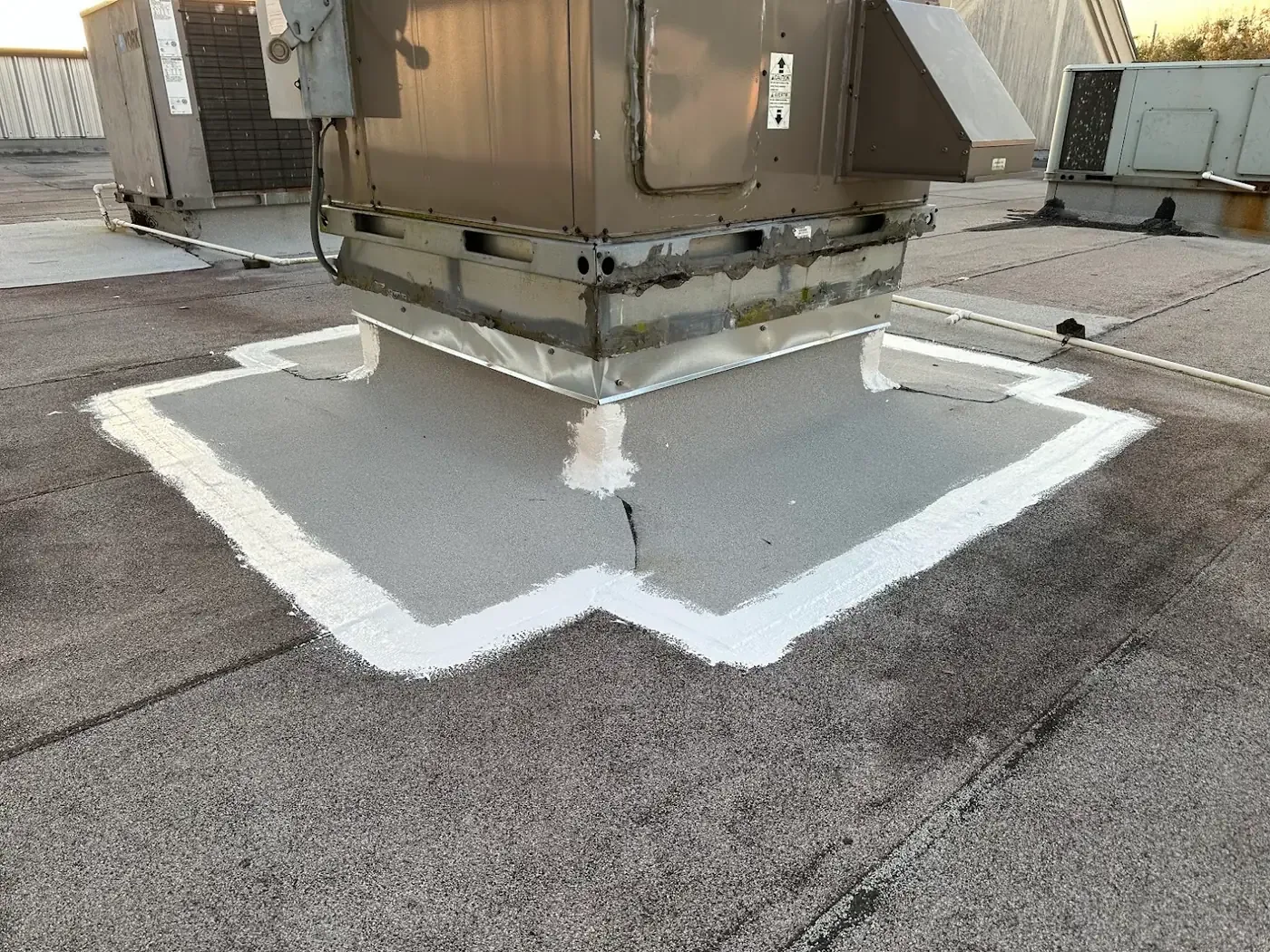
Start with the space that needs protection
A proposed opening over stored goods differs from one above treatment rooms or operating equipment. We need the facility contact to identify actual activities and the people responsible for their protection. Warehouse roofing preparation considers handling and contents, while hospital roof planning requires relevant care and technical disciplines to review operating controls. We explain exposure, debris movement and closure for their assessment. The resulting request connects a supported exterior stage with the occupied area that has to be coordinated beneath it.
An available after-hours window can be useful and still leave a component adjustment or material route unresolved. We describe those predecessor tasks before delivery is scheduled. You can arrange the responsible contacts and assess additional movement or a smaller stage where practical access requires it. That detail belongs with the construction scope, giving maintenance something specific to reserve instead of leaving operating protection as an undefined obligation after a covering and date have already been selected.
Explain the supporting work behind the material
A membrane cut or separated junction can admit water beneath neighboring material that appears intact. We examine the connection around the defect and identify cleaning, removal and usable support for lasting repair. Commercial roof correction follows compatible retained condition rather than the visible patch outline alone. Wet backing can extend the permanent boundary, while an obstructed detail can require another trade's work first. We explain the technical reason for those tasks so you can compare the complete correction with its effect on the protected space below.
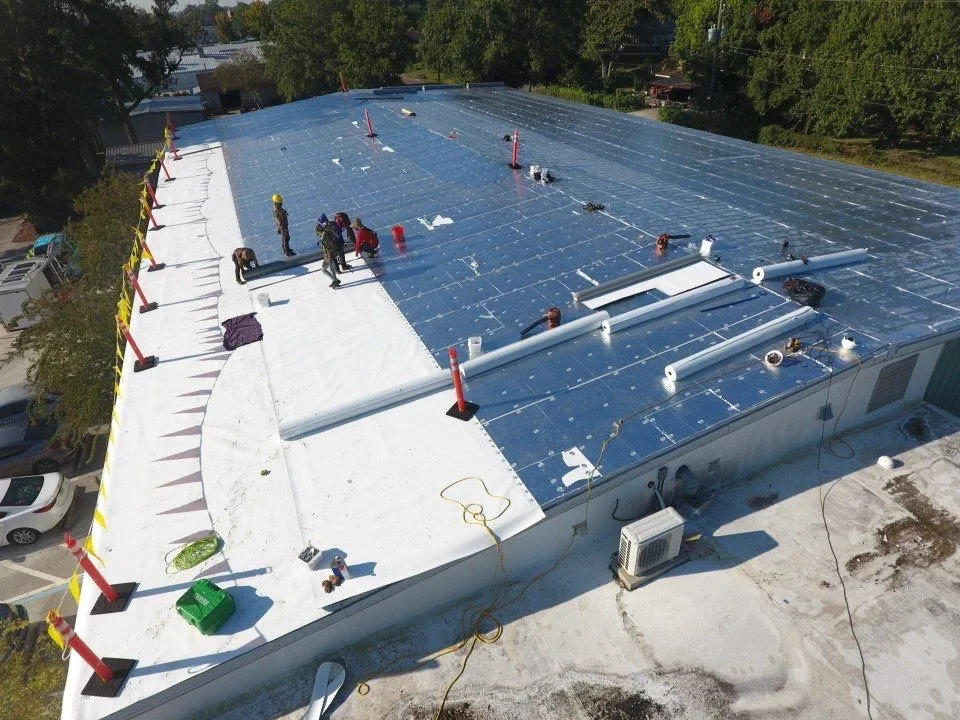
Broader replacement exposes another portion of the assembly and requires its own handling and temporary closure. A retained approach needs suitable material, moisture and attachment assessed before it can be compared fairly. Roof recover proposals therefore identify investigation changing suitability and restoration for the examination opening. Structural or loading decisions go to the appropriate design discipline where relevant. The material recommendation stays connected to preparation that can actually be performed, with unresolved questions retained beside it for another examination or approval task.
Keep roof and equipment responsibilities clear
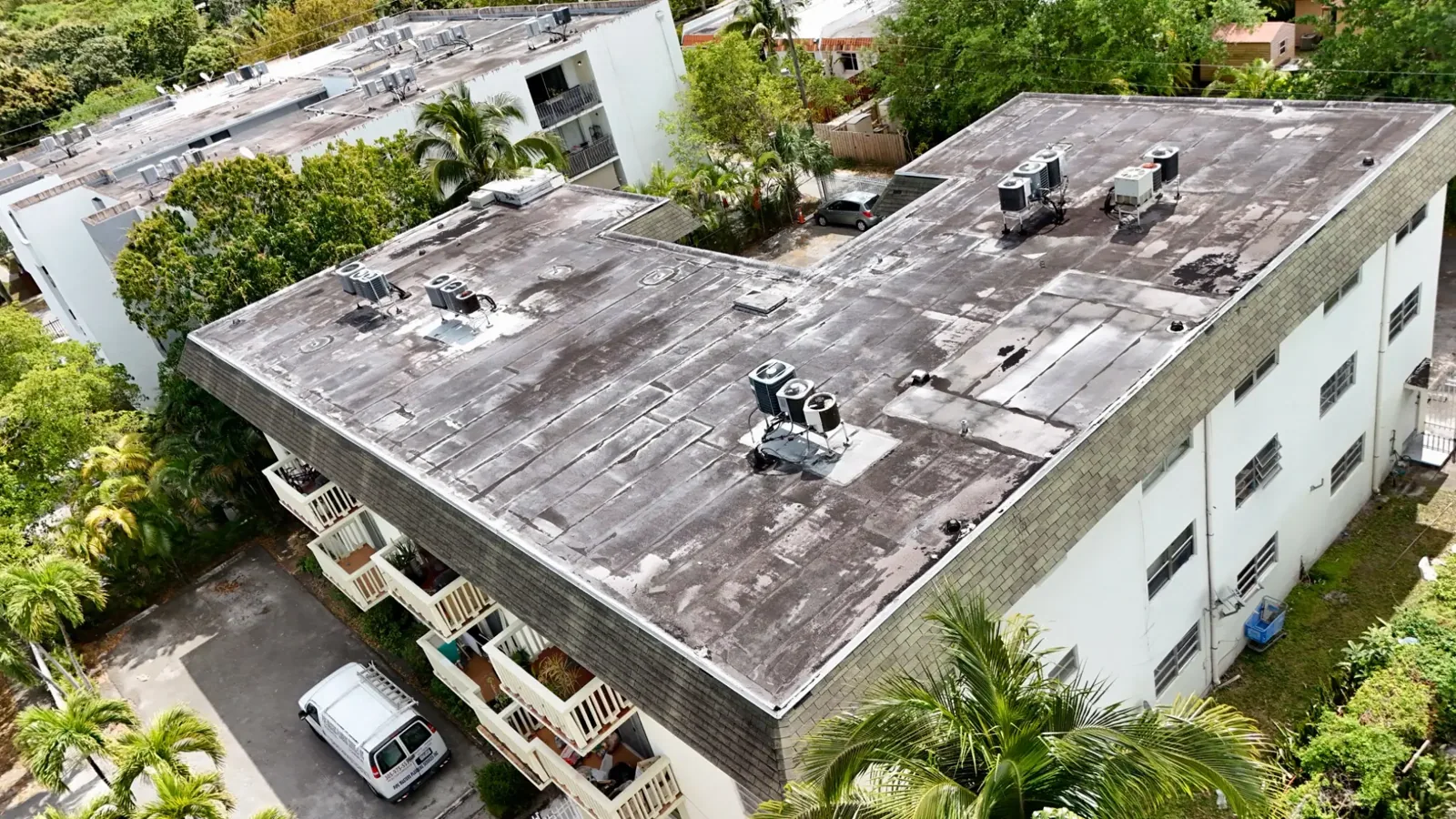
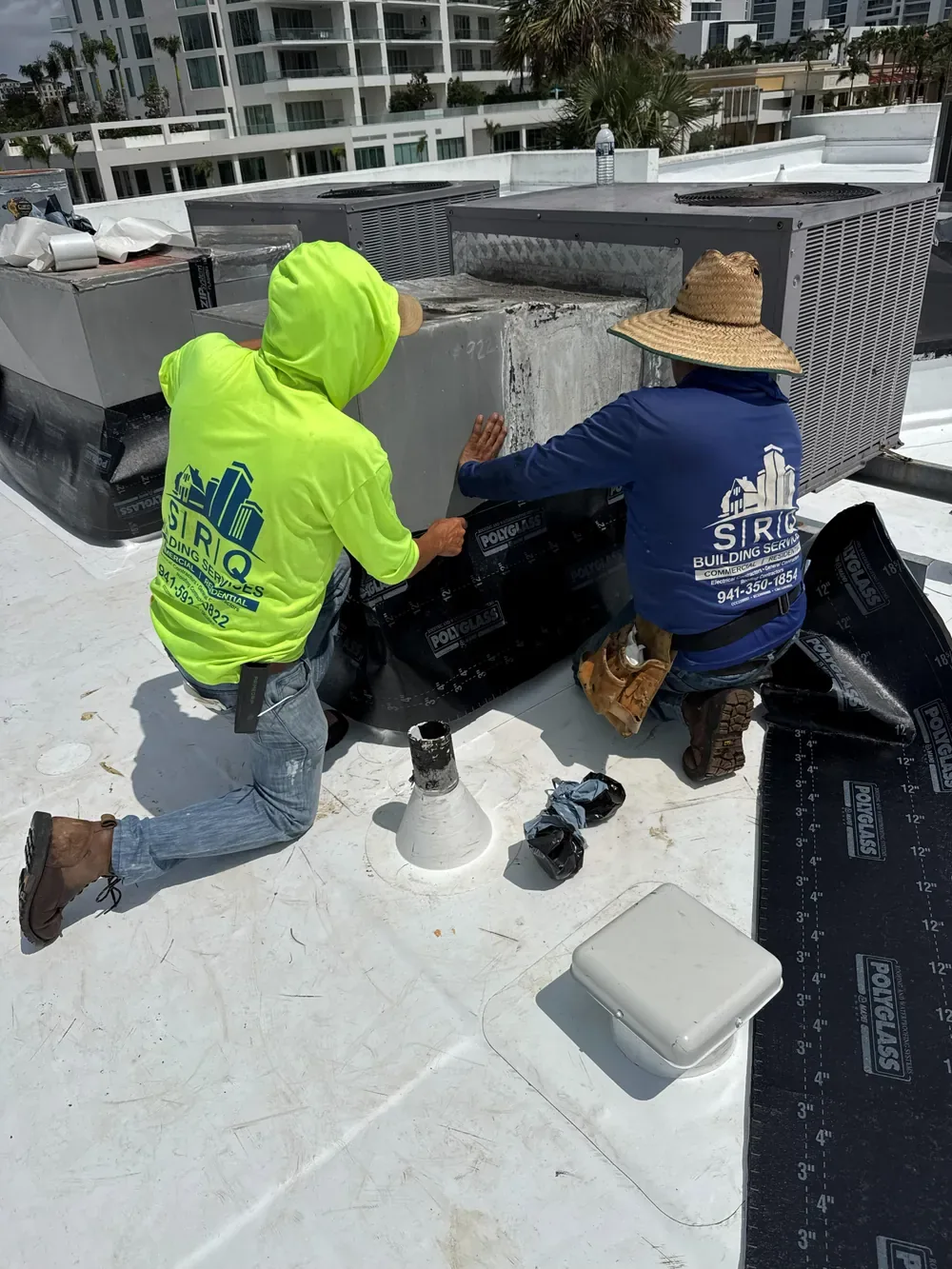
A curb or support may not be fully reachable until a unit is adjusted. We identify the clearance required for the permanent roof connection and the task that has to precede it. Roofing at equipment interfaces addresses the accessible exterior assembly, while equipment operation and component acceptance remain with the responsible specialists. A mechanical drainage symptom can need separate diagnosis. The director can assign both tasks from a defined sequence without treating servicing as completion of every surrounding roof detail.
Drainage deserves the same practical review. A clear outlet opening does not establish usable material beneath its flange, and a proposed stage may receive water from retained surfaces outside removal. We assess the accessible path and explain connections that need preparation before new material restricts access. Pipework and structural changes retain their relevant specialist decisions. The temporary boundary can then be chosen from exterior relationships as well as room availability, with protection and the next permanent step understandable to the people coordinating the building.
Bring each local property to its own recommendation
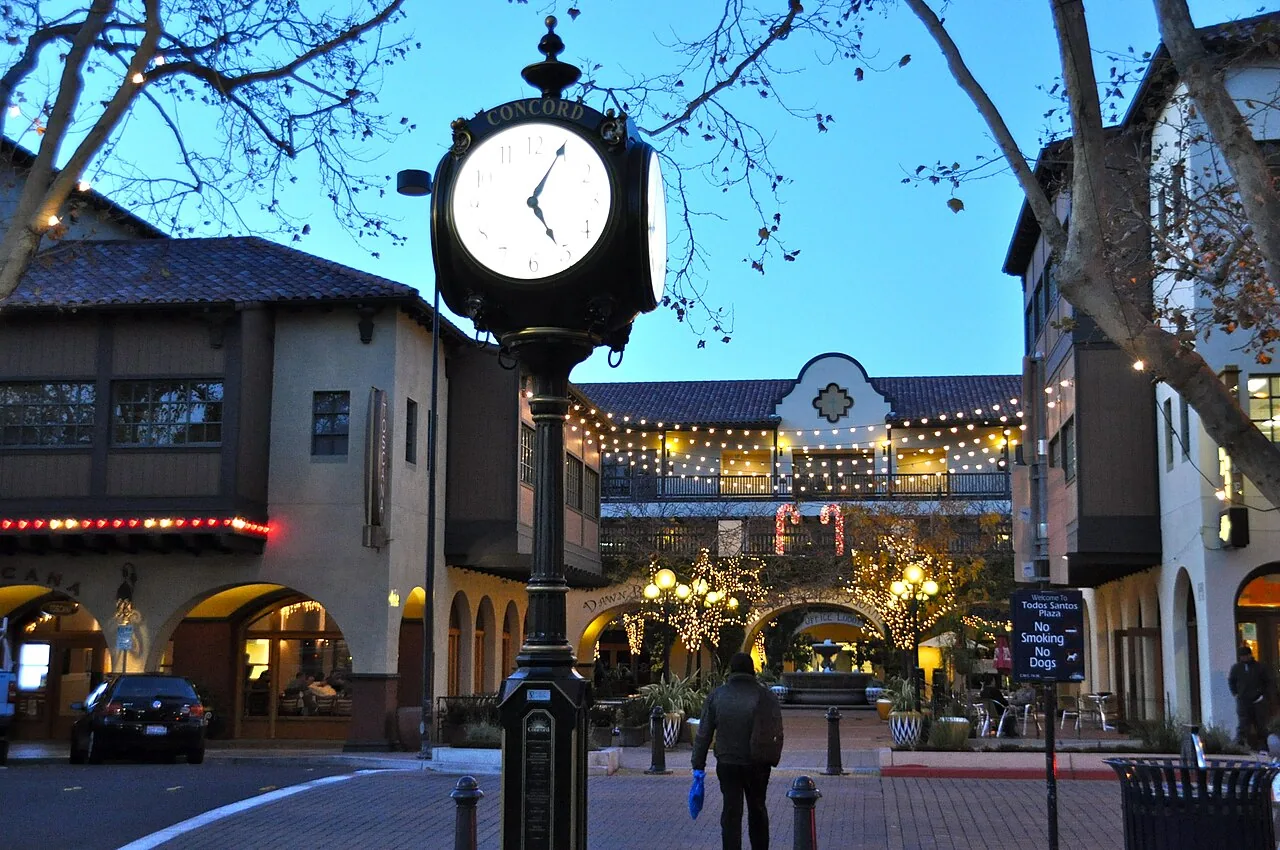
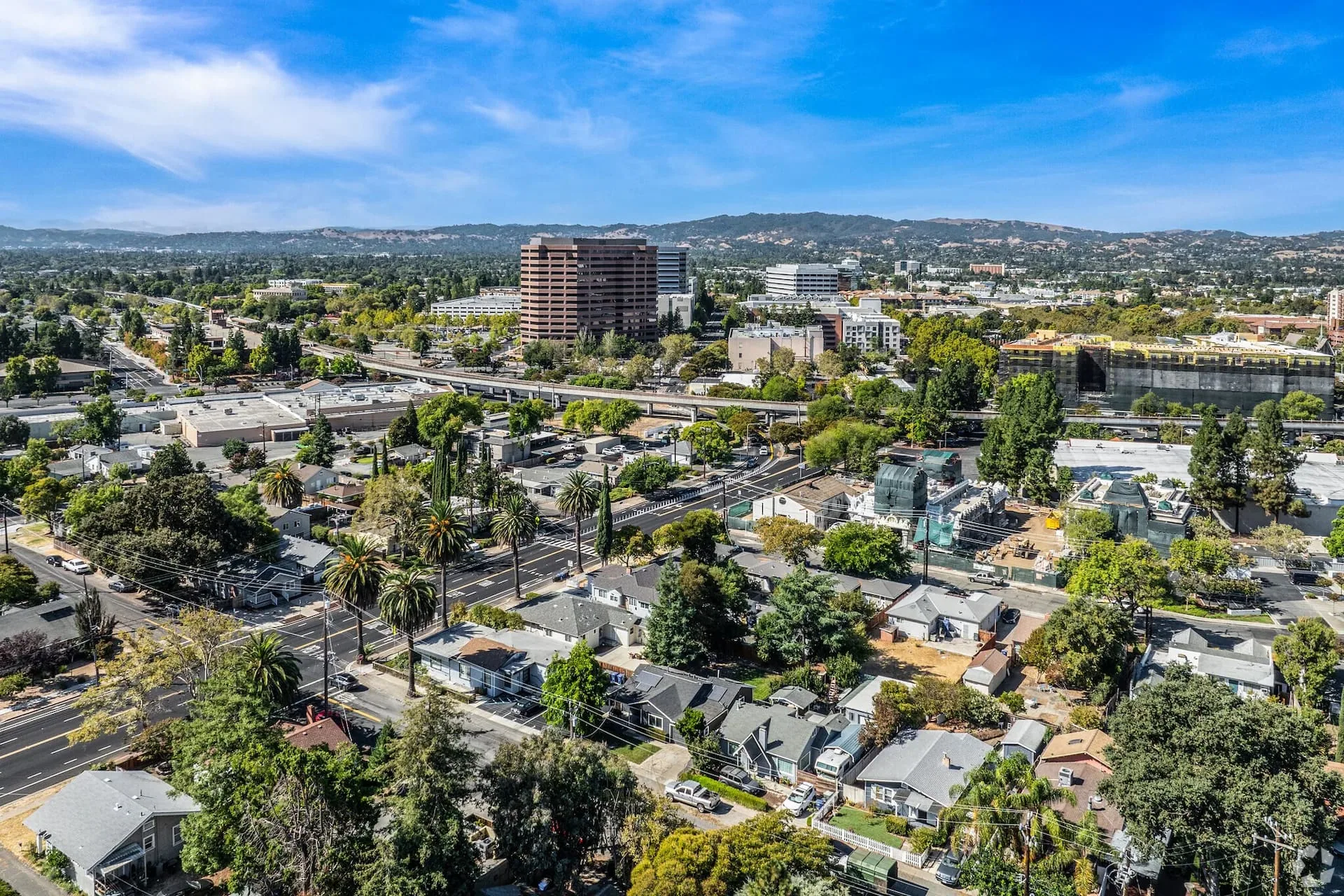
For a municipal roofing assignment in central Concord, identify the subject structure and its authorized access requirements before planning the task.
Related appointments in Martinez can be coordinated while each roof maintains an independent account. Share the current records and operating contact for every address. We keep findings and permanent boundaries attached to their subject buildings, so one visit does not accept another property's concealed material or equipment arrangement. That gives a director managing several requests distinct tasks to authorize and a useful basis for comparing suitable materials without losing the preparation or protected spaces that make each proposal practical.
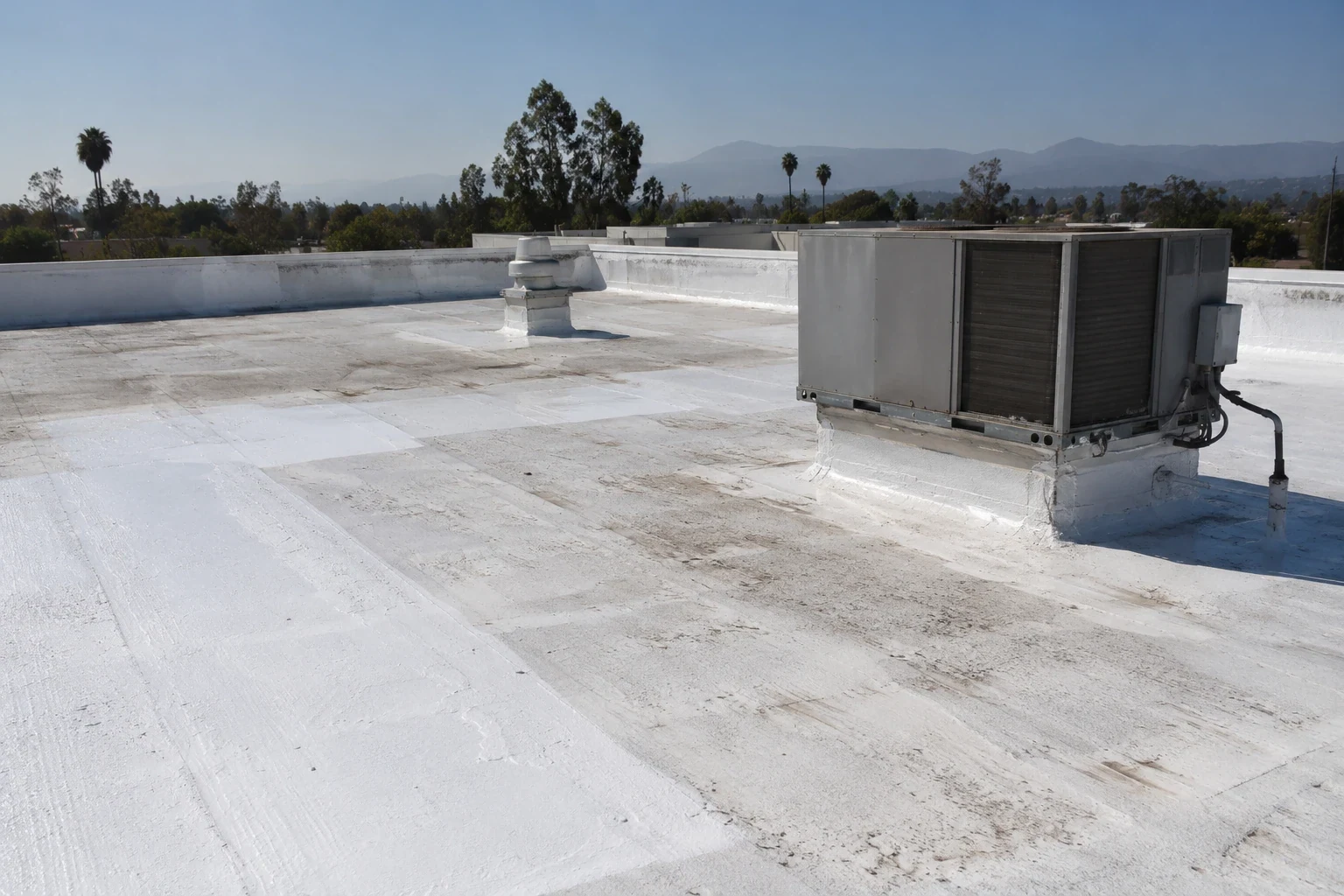
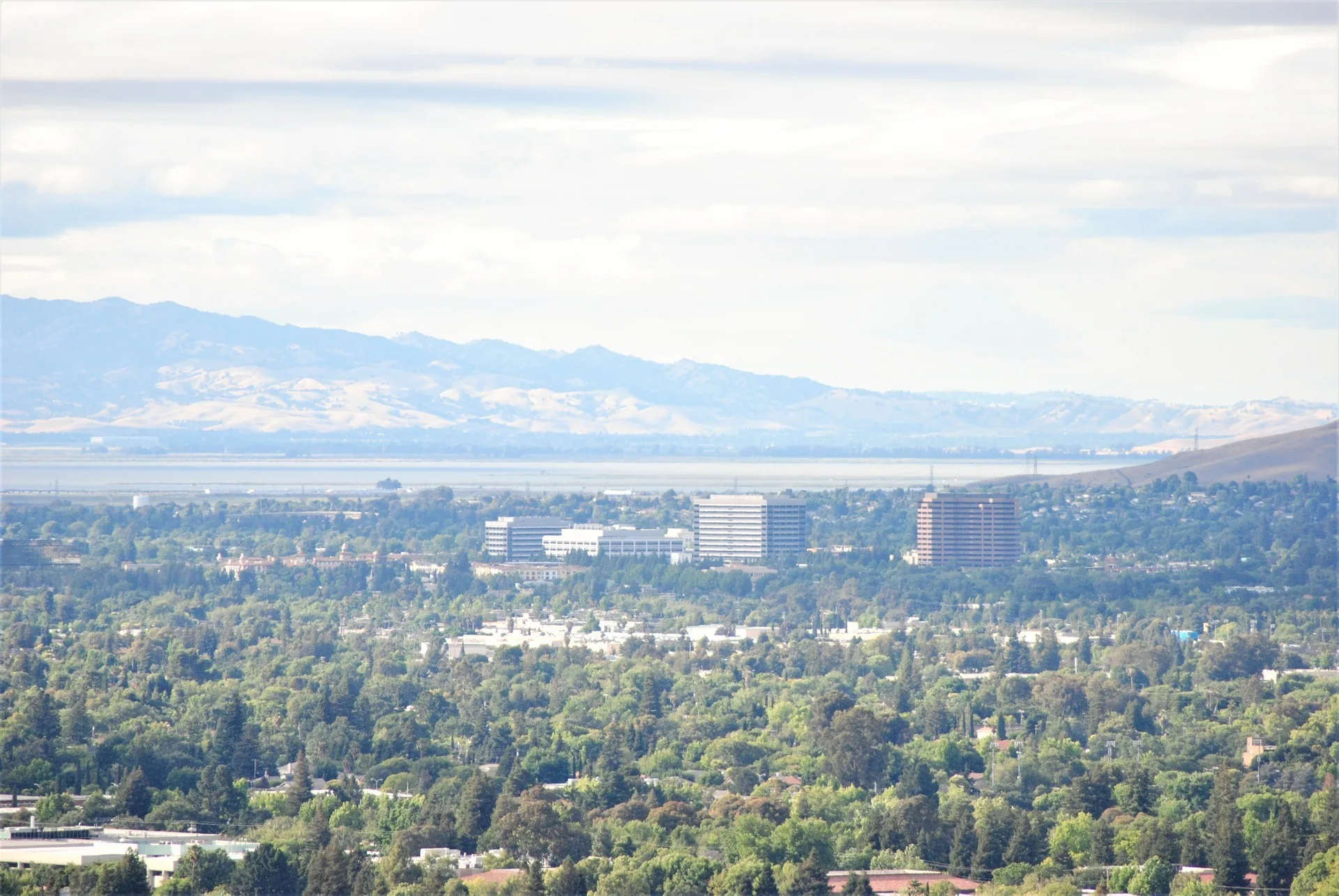
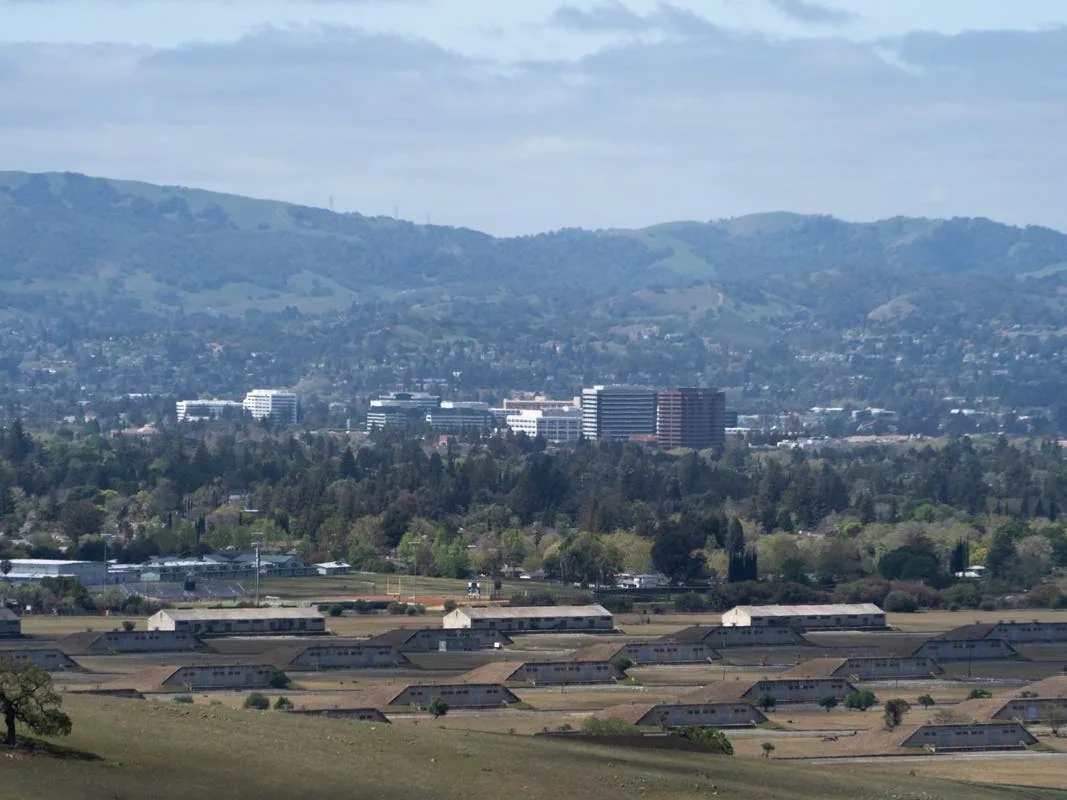
Respond to active entry with a distinct next step
Water affecting an occupied area may need interim exterior action before permanent preparation is ready. Our emergency roofing call coordination runs through overnight hours, holiday periods and weekends. Give us the affected space, event timing and the responsible access contact. We assess practical measures at the accessible defect while the facility team arranges interior protection and qualified electrical attention where needed. We preserve the difference between that temporary intervention and the completed repair, including further investigation or component work necessary for lasting closure.
Supporting findings discovered during removal can alter the previously reviewed stage. We explain the additional preparation and the new occupied area involved before exposure extends. Coordinate revised protections with the responsible contact while an appropriate interim boundary is maintained. The construction period then follows the task actually ready to proceed. It also leaves the director a specific decision when another operating window or specialist adjustment is needed, rather than allowing initial permission for a smaller opening to become assumed acceptance of a larger one.
Leave an account maintenance can use
At completion we locate repaired interfaces and describe the materials incorporated, with adjoining observations outside correction retained distinctly. Keep that account with the maintenance log and available drawings. Planning later roof investment can use current findings and suitable alternatives while deferred tasks receive their own operating review. A new penetration or equipment change still needs examination against present condition and service clearance before installation restricts preparation. The earlier repair boundary informs that decision without approving future changes automatically.
Commercial Roofing Questions
What makes the initial building conversation useful?
Identify the affected space, current activities and responsible contacts. We relate the roof finding to preparation and the operating decision it needs.
Can a material proposal replace investigation of retained layers?
Examine moisture, support and attachment where suitability depends on them. We explain further examination with restoration and protection for its opening.
Who accepts equipment operation after roof interface work?
Assign component decisions through the responsible specialist and facility team. We record the exterior connection completed separately from that acceptance.
How should a changed removal finding reach the facility team?
Describe supporting deterioration and the additional area beneath it. We explain preparation before exposure grows so revised protections can be coordinated.
What do later maintenance requests need from a completed repair?
Retain corrected locations and materials beside deferred observations. We compare current symptoms with those boundaries and assess the next task from present condition.