
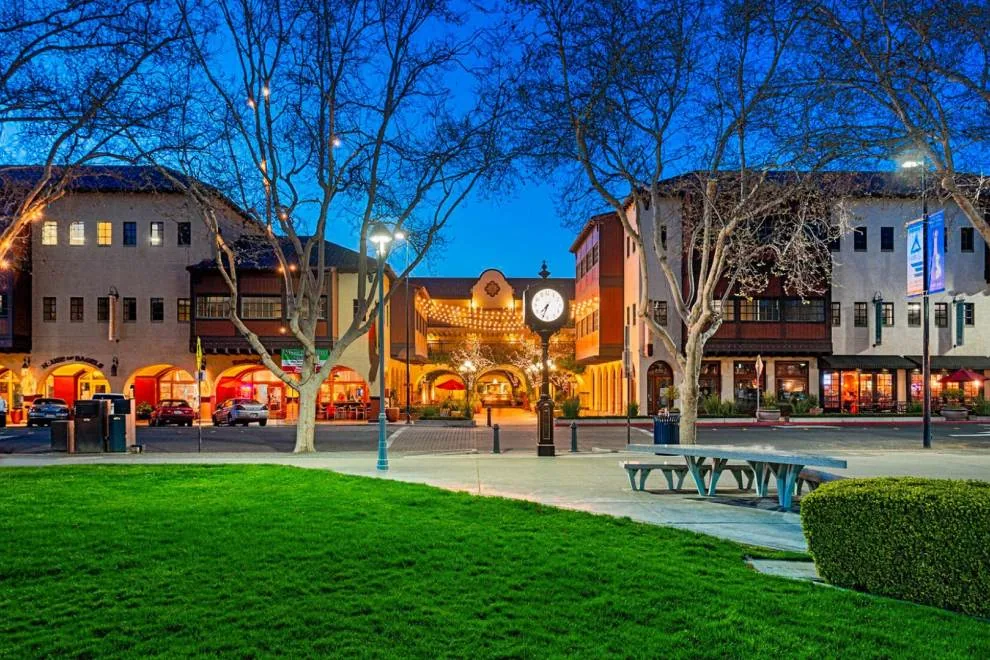
Commercial Roofing in Downtown Concord, CA
An office or civic building roof in downtown Concord, CA protects more than finishes. Water can affect records, occupied rooms and the routes facilities staff need to keep useful while the repair proceeds. We inspect commercial low-slope and metal assemblies, investigate the entry path and define repair, restoration or replacement work. The facility director's room information belongs beside the roof findings, because the practical construction boundary includes handling and protection as well as the opening at the weather surface.
Concord Civic Center is located near Parkside Drive. John Muir Health's Concord Medical Center near East Street gives a separate local institutional reference for the discussion. Each assigned building receives its own roof assessment and operator instructions. Tell us which space is affected, who controls access and what dates matter. We can then place investigation, temporary protection and permanent reconstruction into an understandable sequence instead of letting a delivered material decide when the roof is opened.


Inspect the perimeter beneath visible metal
A wall-side symptom can involve coping, backing or the membrane connection beneath an exterior profile. We examine those interfaces and identify support or attachment defects before recommending fabrication. A new visible metal piece cannot make deteriorated backing useful, and sealing the top joint does not necessarily rebuild the weather connection. The facility director needs the construction described clearly enough to distinguish a replacement component from the supporting work required beneath it.
Our repair of roof perimeter construction connects measurements to the actual backing and retained membrane. A separate assignment near Fairfield starts with its own edge profile and occupied routes. We inspect the cause rather than automatically copy the same repair to a similar stain. Fabricated components and compatible accessories can be settled while the assembly remains protected, allowing procurement to serve the permanent detail instead of arriving before its concealed attachment requirement is known.
Use room observations to investigate entry
The maintenance log can explain whether water appeared during rainfall, after equipment service or near a particular drainage change. We use that timing with roof and interior observations before selecting a correction. Water may move within the assembly before showing below, so the room location is a useful starting point rather than the final exterior boundary. We identify any equipment or piping task that interacts with the leak and keep its responsibility distinct from roof reconstruction.
Our investigation of a civic or office roof leak traces the opening and the useful retained connection. Work near Shary Circle and Detroit Avenue receives an independent building assessment. What changed before this symptom? That question can help facilities staff supply relevant observations without deciding the cause prematurely. The recommendation follows the actual defect and supporting condition, giving the permanent work a boundary that can be placed on the building's deferred list and calendar.
Protect occupied rooms before removal
Removal can add exposure above the same room already affected by water. We review protection, debris handling and the secure stopping point with the property contact before opening. Electrical or ceiling concerns require appropriate personnel below. The facility director can identify restrictions that affect the route, including rooms or equipment that need separate authorization. We connect those requirements to the roof sequence rather than assume an office or civic identity provides one standard installation period.
Our roofing coordinated with active building interiors defines temporary closure suited to the actual assembly. For roof work at a public building assignment, the responsible operator confirms the relevant room use and permission. Materials and supporting trades are coordinated while the roof remains closed where practical. That leaves a prepared work boundary available when removal begins, rather than an exterior opening waiting for a key, equipment adjustment or unresolved interior restriction.
Confirm the layers before settling extent
A limited exterior split can leave wet insulation or damaged cover board around the detail. We investigate the supporting assembly and state where concealed construction still requires confirmation. A clean-looking surface does not establish a dry base below it. The repair description needs removal depth and the replacement connection so the facility director can compare a useful localized correction with wider construction that follows the actual distribution of defects.
Our condition findings for a downtown roof decision relate photographs to locations, proposed limits and inspection uncertainty. Additional damage found after opening is recorded before the boundary expands. We also review previous compounds and material compatibility, then check moisture and temperature directly at the joining area. If readiness is incomplete, we explain the preparation hold and secure protection. That helps facilities staff coordinate other work against a stated construction condition instead of an unexplained delay or a surface-area figure that omits supporting damage.
A deferred task should retain its technical purpose even if funding places it in another budget year. We explain whether the remaining issue involves an isolated connection, supporting-layer uncertainty or dispersed damage that changes the wider recommendation. The facility director can keep that distinction visible alongside any temporary protection. Before a later scope proceeds, we reassess current conditions and accessible construction, so changed moisture or service damage is considered rather than assuming the earlier quantity remains suitable without another inspection.
Retain a record that supports later work
The handover identifies what was reconstructed, what remains and which separate tasks are still assigned elsewhere. We locate corrected details and give practical service access guidance for later equipment visits. Interior personnel assess moisture and safety readiness before restoring finishes. The roofing status informs that decision without treating disappearance of a drip as proof that every affected part of the room is ready. Keep the completed boundary with the maintenance log so a later symptom has useful context.
Roof help is available during overnight periods and through weekends or holidays. For the assigned Downtown Concord property, share the affected room, roof zone and access contact so feasible temporary protection and the lasting repair can be assessed. Temporary protection can limit exposure while materials or further investigation settle the permanent correction. A broader recommendation follows current attachment, moisture and repairability findings. Preventive checks can address observed drainage and traffic conditions on the assigned roof. Returning water is investigated anew, keeping fresh service damage or discharge distinct from an earlier detail before another repair or replacement scope is developed.
Civic, school and restaurant buildings in downtown Concord can require work around public entrances and scheduled activities. Ask the facility contact about event hours, pedestrian paths and interior areas that need protection before setting up. Roof sections over kitchens, meeting rooms and classrooms may have different equipment penetrations, so record the observed zone rather than describing the roof as one uniform surface. A useful scope explains how the repair can proceed with minimal disruption and which conditions would require a second visit outside normal occupancy.
Commercial Roofing Questions
What should be checked before downtown coping is fabricated?
Measure the profile and inspect backing, attachment and the membrane connection. We define supporting repair before ordering the visible component.
Which maintenance-log information helps with a civic leak?
Share timing, affected rooms and recent roof or equipment activity. We compare those observations with construction findings before deciding the water route.
Can roof removal start before room protection is settled?
Establish the protected boundary and responsible access contact first. We coordinate secure closure with the room and handling requirements beneath the opening.
Does a clean exterior establish a suitable repair base?
Check the supporting layers where moisture is suspected. We identify confirmed reconstruction and any further investigation before setting the permanent extent.
What record should accompany the finished downtown repair?
Keep corrected locations, retained limits and separate remaining tasks with service access guidance. We use that boundary alongside current findings if another symptom appears.