PVC Roofing in Concord, CA
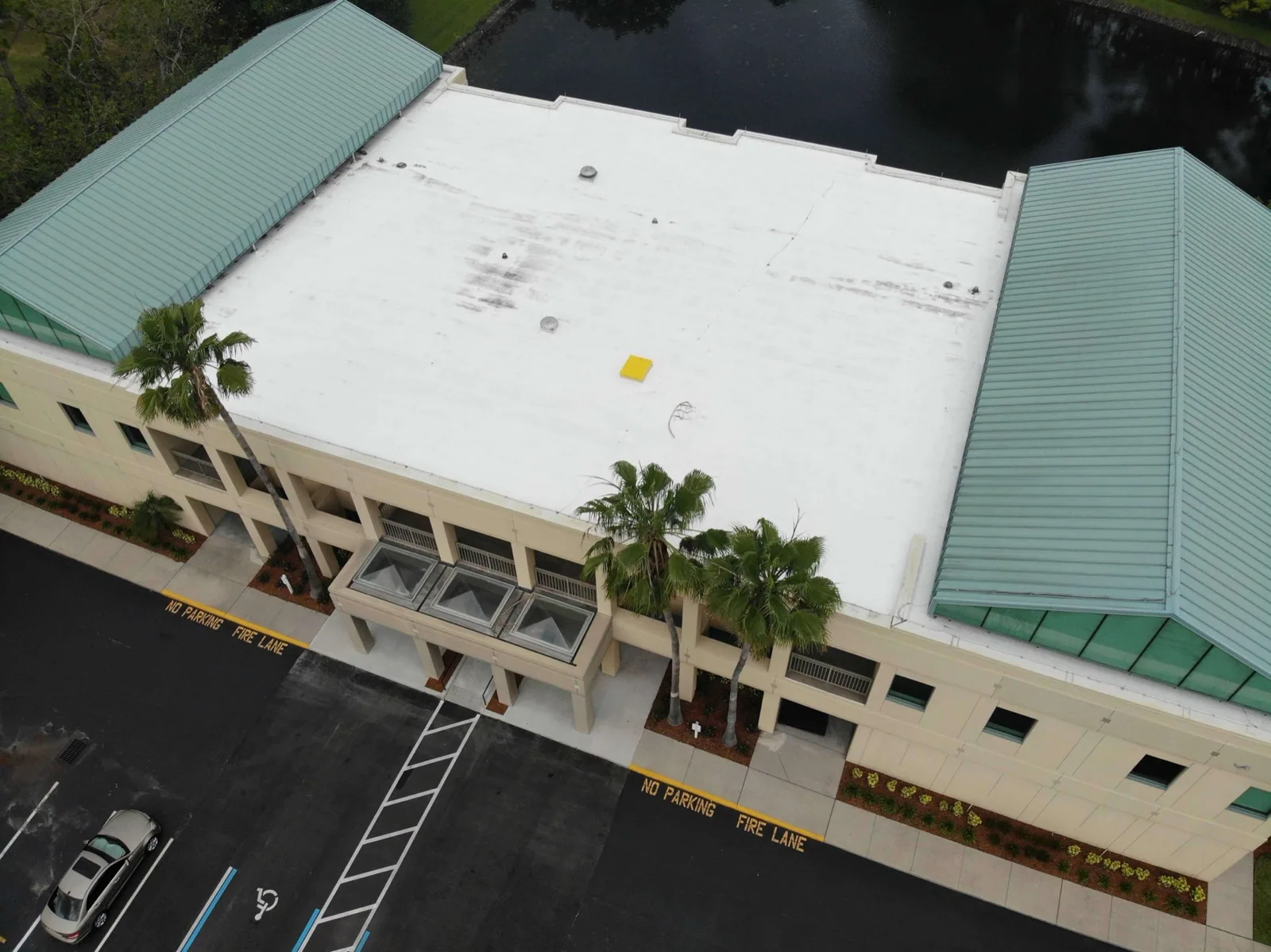
A healthcare building with active treatment rooms gives its facility director a roof decision that must include more than the upper sheet. PVC roofing in Concord, CA, starts with the actual membrane construction and the operating areas below. We describe supporting preparation, attachment and permanent interfaces with the proposed material. Bring current roof information and work periods into the request. A healthcare roof installation can then carry the operator’s protection and equipment releases beside the assembly, rather than a membrane-area figure leaving those building responsibilities to be arranged after the material choice.
For a healthcare roofing assignment in Concord, identify the subject building and operator's access requirements before planning the task.
Identify the PVC product and supporting section
The actual product and assembly need to be named before permanent components are committed. We identify supporting layers, attachment and detail requirements beside the PVC sheet information. Ask for the applicable project documents and full section during proposal review. Facilities can compare installed obligations with any acceptance tasks retained, instead of a broad PVC label establishing every backing or accessory. The material family helps organize the option while product-specific information and project requirements define the construction intended for the assigned roof.
What is the complete installed obligation?
Would a retained-layer PVC roof option fit the request? It needs its own supporting condition and preparation basis before reduced removal is accepted. We compare accessible layers with records and flag concealed questions needing examination. Facilities should retain those findings alongside the new section. A continuous old surface cannot establish attachment or moisture beneath it, and a lower disposal quantity should not become a universal retention decision simply because the proposed upper membrane can be described in a few words.
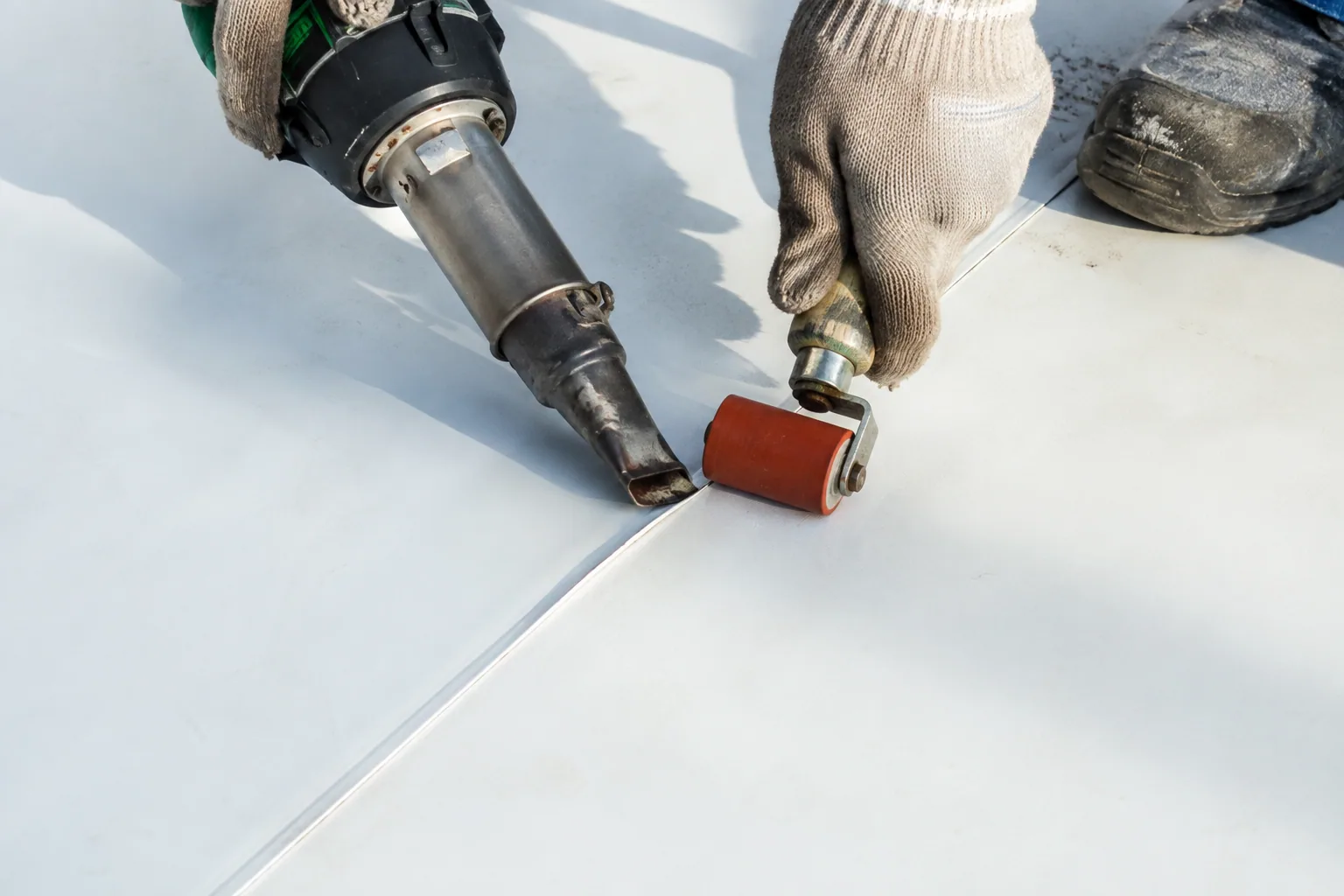
Thermoplastic field joining requires connection checks beyond the visible sheet area. We define applicable test welds and seam probing with the selected product’s actual instructions before installation. Facilities can compare preparation and checked connections with the membrane quantity, rather than a continuous sheet outline implying every joint is finished. Product-specific settings stay attached to the PVC construction being installed. The complete obligation carries those checks alongside permanent details, without borrowing another material’s installation values or treating field placement alone as the finished endpoint.
Establish the actual repair materials
An existing PVC roof may contain a specific formulation and earlier patches requiring identification before new repair components are selected. We review available material records with exposed condition and explain confirmation needed at the assigned area. A PVC water-entry assessment also needs interior timing and relevant equipment information to examine the source. Facilities can coordinate those observations before permanent quantities are finalized. Similar-looking sheets do not establish every compatible repair material, and the ceiling symptom should not decide the location or construction of a patch without relevant checks.
Preparation belongs beside the intended permanent joining approach. We identify accessible surface condition and surrounding details, then describe supporting correction established by the findings. Suspected wet layers remain an investigation task until their boundary is confirmed. Facilities can compare removal and replacement with the upper repair quantity rather than assume a fresh patch resolves every concealed question. A new membrane surface leaves damp insulation in place unless that material is addressed, so the scope should retain actual assembly correction and a reviewable method for extensions encountered during opening.
Compare thermoplastic options by the finished scope
A TPO construction alternative needs its own selected product, section and detail tasks if offered for comparison. We describe changed preparation and permanent materials while carrying the same assigned roof endpoint. Facilities can take the complete option through relevant acceptance before orders. An equal field area does not establish interchangeable accessories or matching installation obligations across separate products. The useful comparison identifies what remains, what is removed and how every permanent interface is completed, with material price only one part of that obligation.
A KEE-containing membrane option likewise needs the exact construction identified rather than a general description standing in for product requirements. We discuss the actual supporting section and compatible details with the proposed alternative. Facilities should have the relevant material information before procurement and should retain acceptance separately from availability. That keeps the option reviewable against the same building plan, with changed preparation or connection work stated instead of a similar upper-surface appearance being used to infer identical components and installation tasks.
Coordinate curbs and permanent elevations
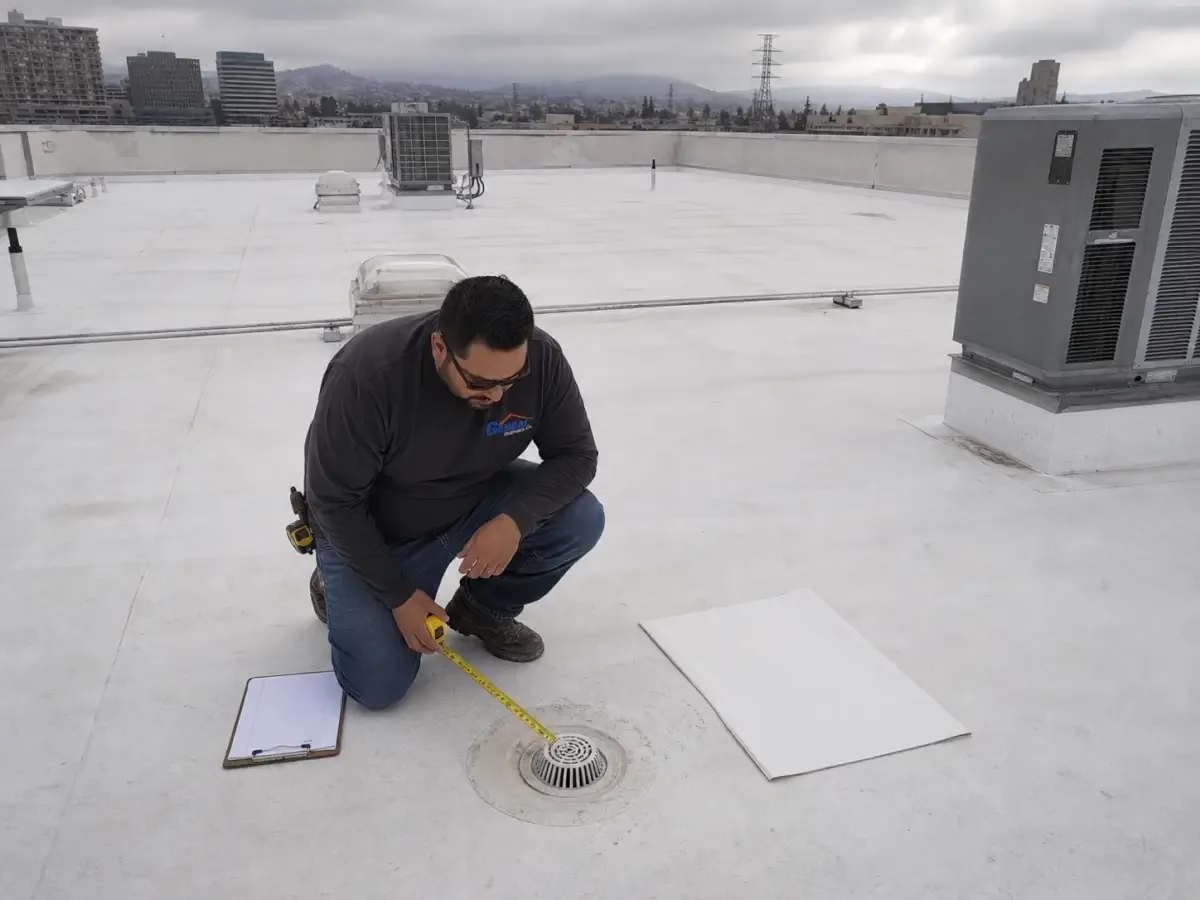
New insulation or other supporting thickness can change PVC connections at equipment curbs, wall terminations and drainage outlets. We compare accessible elevations with the selected roof section before detail reconstruction is priced. Bring current drawings and equipment responsibilities into the discussion while options are being reviewed. Facilities can then coordinate another trade’s release before its roofing interface opens. The same field outline may carry different permanent detail work, and an upper-sheet allowance should not hide backing or elevation tasks necessary to complete the actual assembly around those connections.
Where equipment work and roofing occur separately, the scope needs an assigned protected condition between periods. We identify the roof-side opening and closure endpoint before the sequence is committed. Share what runs underneath and the operator’s available periods so facilities can arrange ready work. Broad membrane placement should not return a blocked unit or wall interface to normal use. Permanent joining follows the relevant preparation and equipment release, with unfinished details retained visibly even when nearby field construction has already reached its installed endpoint.
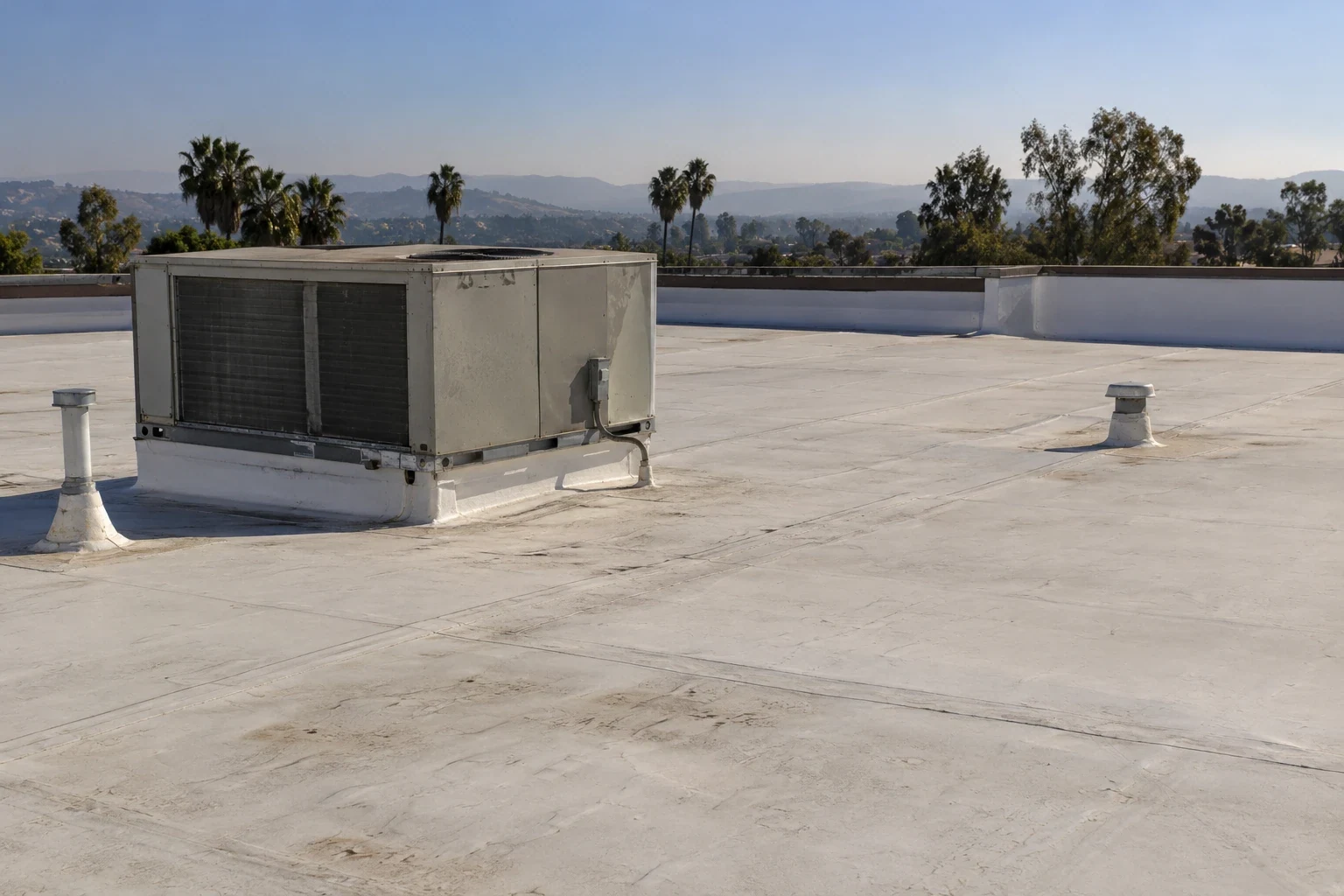
Leave a useful installed record
For a municipal roofing assignment in central Concord, identify the subject structure and its authorized access requirements before planning the task.
The selected product’s current preparation and installation conditions need review before permanent work proceeds. We assess the actual surface and required components, then retain completed interfaces and installed material in the handoff with agreed checks. Applicable warranty documents require their own notice and alteration review rather than a promised outcome from the PVC family. Facilities can arrange adjacent restoration after the relevant permanent endpoint and project review. Remaining roof concerns, equipment tasks and requested records stay visible so the maintenance log describes the scope actually completed instead of a general membrane status.
Review compatibility before selecting a PVC assembly. A PVC roof proposal should name the specific membrane, reinforcement, attachment and compatible flashing components rather than rely on the family label. Compare the selected detail set with the substrate and any retained roof material, especially where an existing repair or coating meets the new work. Confirm seam preparation, equipment transitions, edge metal and the acceptance check for each installed zone. For a project near Mount Diablo Industrial Park or Bishop Ranch, keep each building's conditions distinct even when procurement uses the same product schedule. Ask which accessories are included and what supporting work is carried as an allowance. That makes the price comparison useful because each alternative has a defined weather boundary and a clear record of any compatibility question still open before material arrives.
Commercial Roofing Questions
What should distinguish a PVC proposal?
Name the actual product and complete supporting section. State attachment and permanent detail tasks with relevant project review before the material order.
Can an existing roof accept any PVC repair sheet?
Identify existing material and compatible requirements first. Assess surface condition and surrounding construction before assigning permanent components.
How should a recover option be evaluated?
Confirm the condition and preparation of layers proposed to remain. Compare complete retained and removed construction endpoints rather than disposal quantity alone.
What changes when roof thickness increases?
Review actual curb, wall and outlet elevations. Define necessary connection reconstruction beside supporting layers before procurement.
What should facilities keep after the work?
Retain installed product and permanent detail records with agreed checks. Review actual warranty and remaining equipment requirements separately from field completion.