
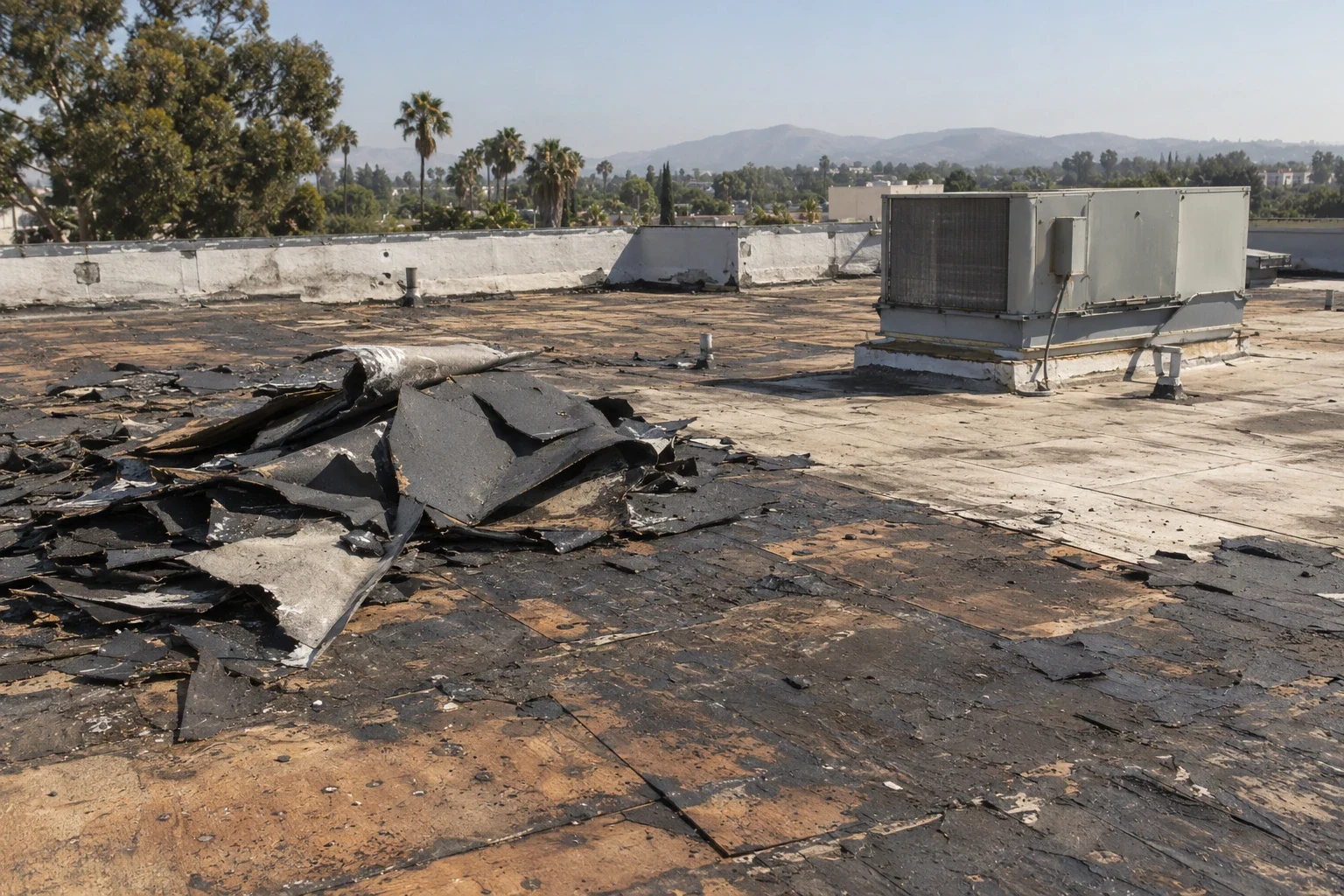
Commercial Roof Replacement in Concord, CA
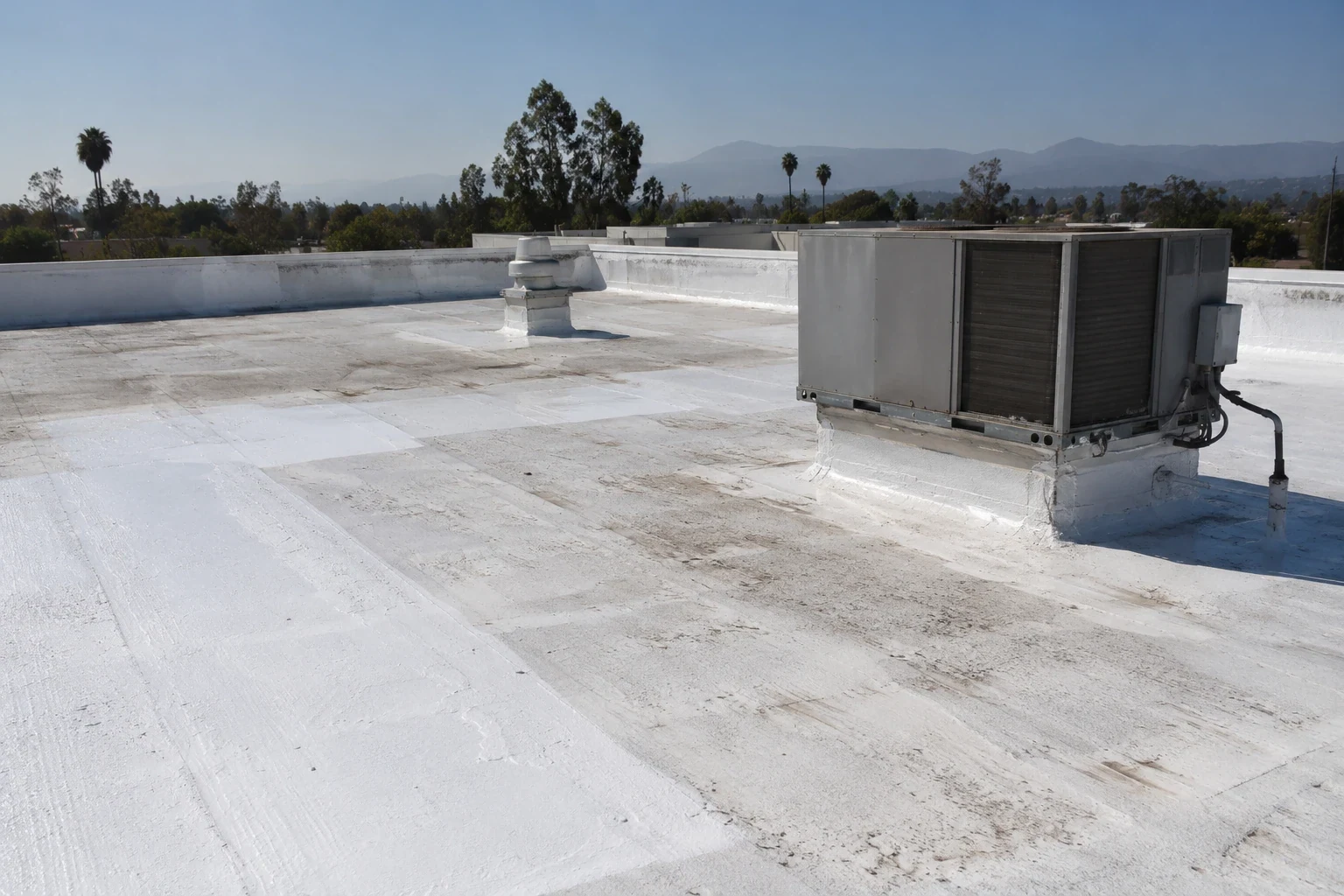
A hospital building in central Contra Costa needs its facility director to protect occupied rooms and essential equipment while the roof above them is replaced. Commercial roof replacement in Concord, CA, starts with those building responsibilities and a defined removal endpoint. We assess the existing assembly, discuss what can be opened and describe the permanent construction proposed. Share the building calendar and roof records before the scope is committed. That gives facilities a way to compare replacement choices without discovering that a broad membrane allowance leaves protection, supporting layers or equipment releases outside the work.
For a healthcare roofing assignment in Concord, identify the subject building and operator's access requirements before planning the task.
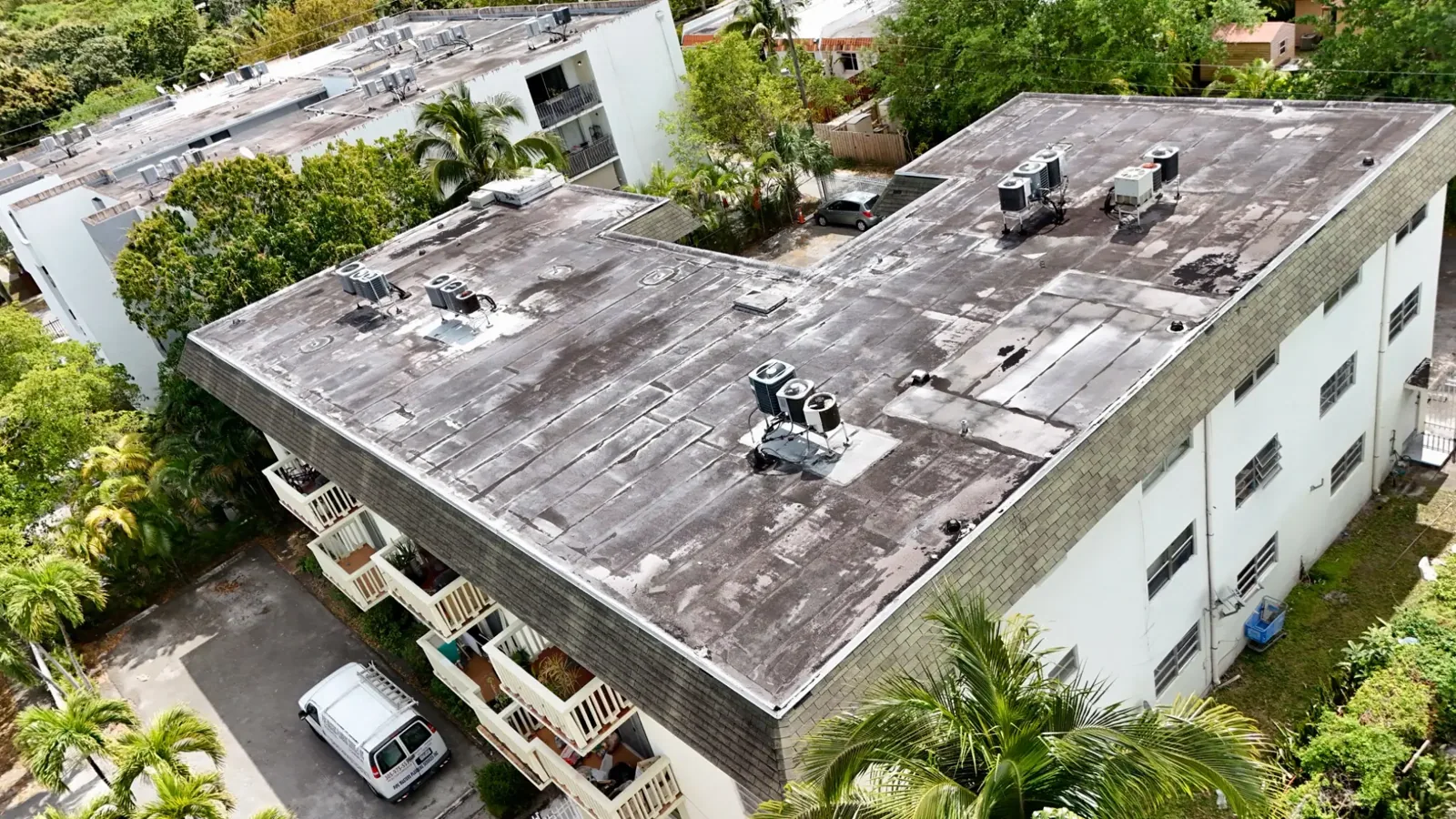
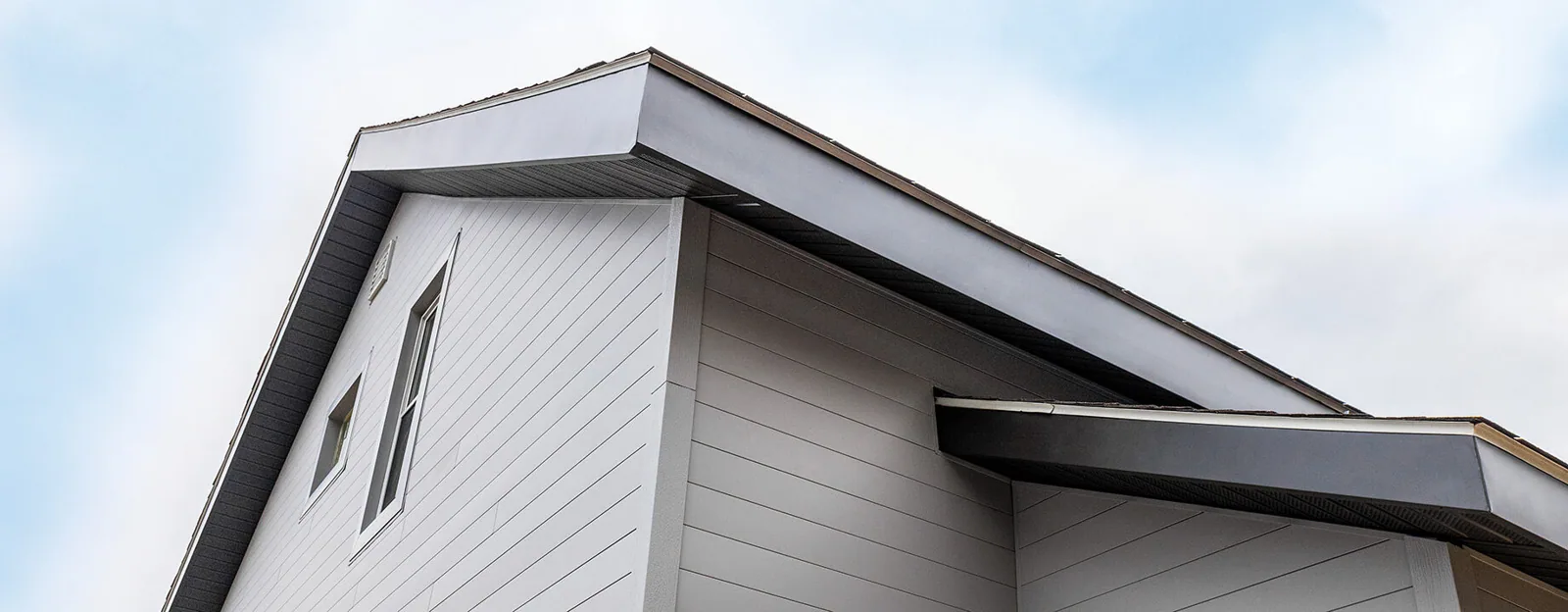
Define the roof being removed
Removal depth sets the starting surface for the new construction. We compare available records with accessible layers and identify the membrane, insulation or other material proposed to leave the roof. Disposal and supporting preparation belong in the same scope. Where conditions remain concealed, we state the confirmation needed and how changed removal boundaries will be reviewed. This lets facilities distinguish an assessed replacement from a new-sheet allowance that assumes every layer beneath it can stay, without an established supporting basis for that decision.
Would a defined recover option meet the project instead?
That comparison needs its own retained-layer findings. We describe repair and retention questions before either option becomes a material order. A lower removal quantity can be useful, but it does not establish suitable insulation or attachment. Ask for the complete construction endpoint of both options, including disposal, supporting layers and permanent transitions. You can then review what each price includes and which unresolved condition could change the decision before the opening period is committed.
Protect the released area below
An occupied building rarely releases every space simply because roofing is scheduled. We map the assigned work zone to the operator’s permitted areas and describe overhead protection with the proposed daily opening. Replacement during occupied-building use needs setup and closure that follow those releases. Share the actual rooms, entrances and equipment affected so the plan can account for them. Repeated preparation should stay in the price when the work proceeds in smaller phases, rather than appearing after a continuous-production assumption has already been accepted.
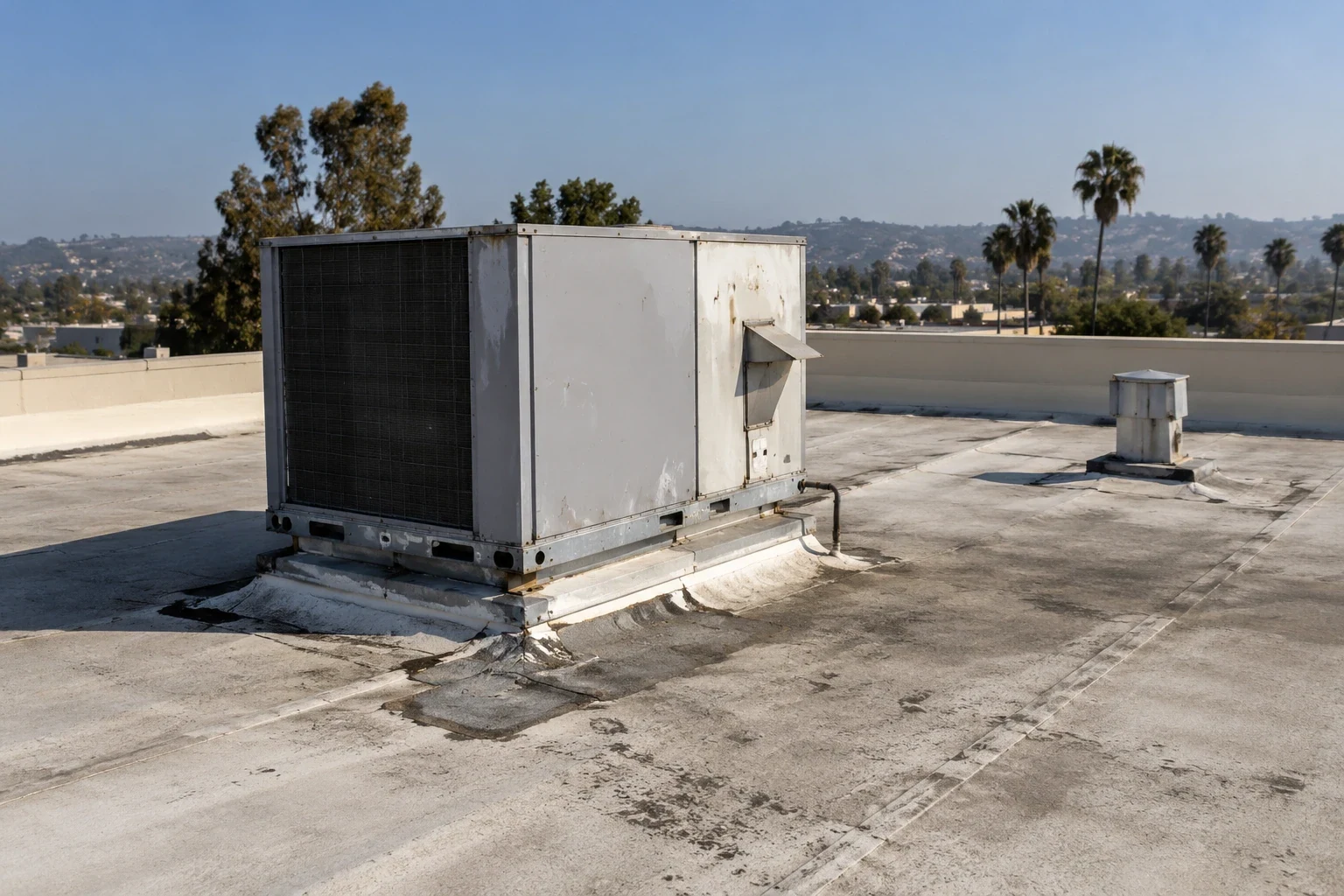
A blocked equipment connection also needs a responsible release. We identify roofing exposure and discuss the lifting, mechanical or supporting task another trade must complete before permanent work. If those tasks occur in separate periods, the scope states closure between them. Field placement can continue elsewhere without completing every interface. Keep that distinction in the calendar so an available roof zone is used productively while an unfinished curb or wall connection remains visible instead of being treated as complete on the broad membrane date.
Resolve the new assembly before ordering
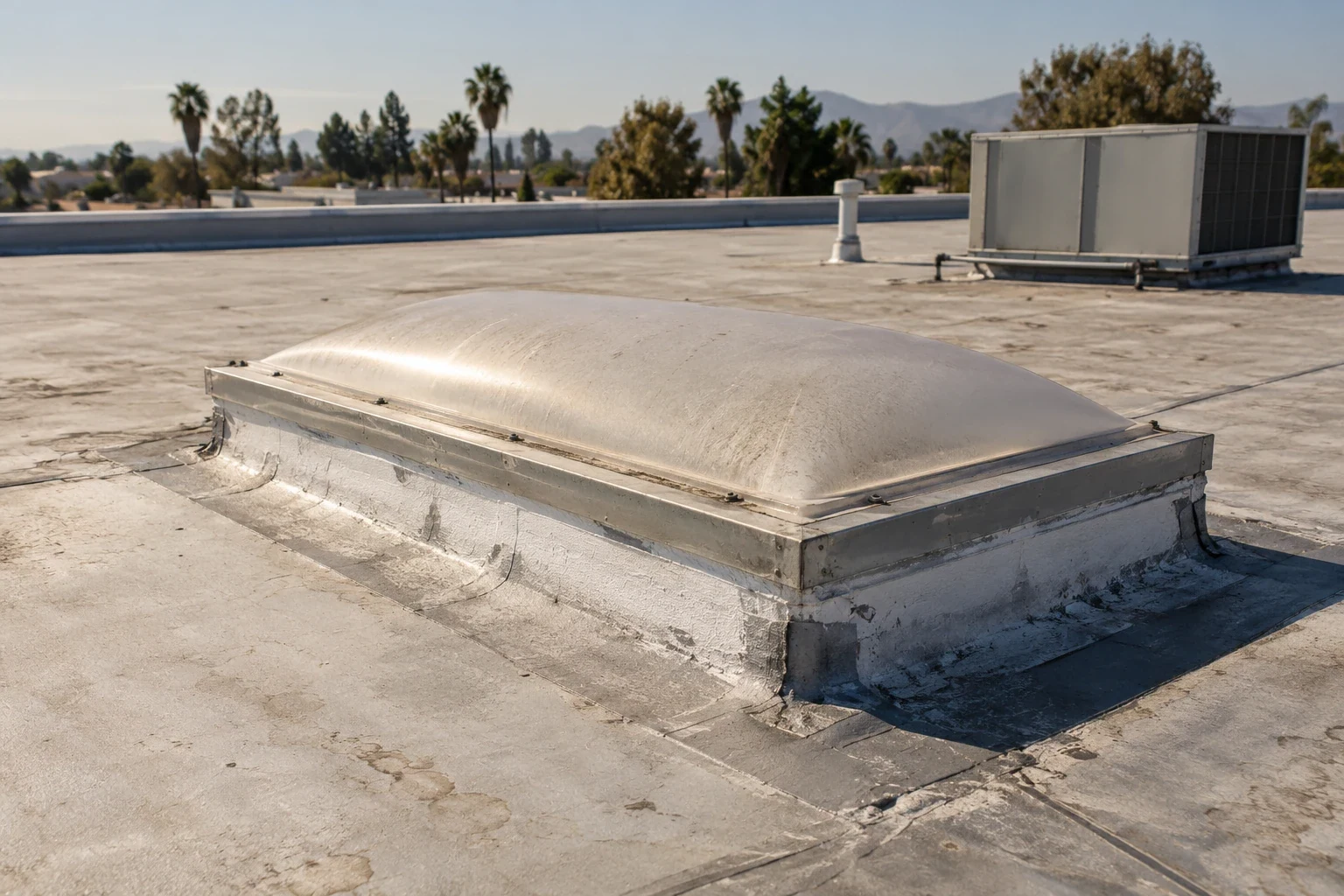
A selected TPO replacement assembly needs its supporting layers, attachment and compatible details identified. We assess accessible wall and curb relationships against the selected section before pricing their permanent reconstruction. Added roof thickness can change those interfaces even when the field outline stays the same. Bring the roof section and equipment arrangement into project review before procurement. Facilities can then compare the installed endpoint rather than a sheet price that leaves attachment, supporting preparation or detail reconstruction unresolved until material reaches the site.
A complete EPDM replacement alternate has its own joining and supporting requirements. We identify changed detail and installation tasks alongside the material difference. Submit the actual alternate construction for the applicable project acceptance before purchasing. Similar field dimensions do not make components interchangeable or establish the same installation method. The useful comparison is the finished roof with its permanent interfaces and protection included, so the facility director can explain the choice from construction scope rather than a family name or a delivered component.
Match procurement with the building calendar
Readiness includes the actual membrane, supporting material and permanent detail components, with availability confirmed for the selected items. We flag unresolved construction or supply questions before the start period is set. A field-sheet delivery may leave installation blocked if board, attachment or an equipment release remains unavailable. Put those dependencies alongside keys and escorts, permitted movement and the operator’s work periods. That makes the calendar a sequence of ready tasks rather than an assumed installation date based on one component arriving.
The same principle applies to municipal space. For a municipal roofing assignment in central Concord, identify the subject structure and its authorized access requirements before planning the work. A roof assignment in downtown Concord needs its actual facility releases and material route reviewed independently from a hospital task. We discuss those building responsibilities before pricing setup. Common roof requirements can help organize procurement, while each operator’s access and permanent closure endpoint remains attached to its own structure. Facilities can then coordinate the work request with the rooms and equipment that actually need protection during removal.
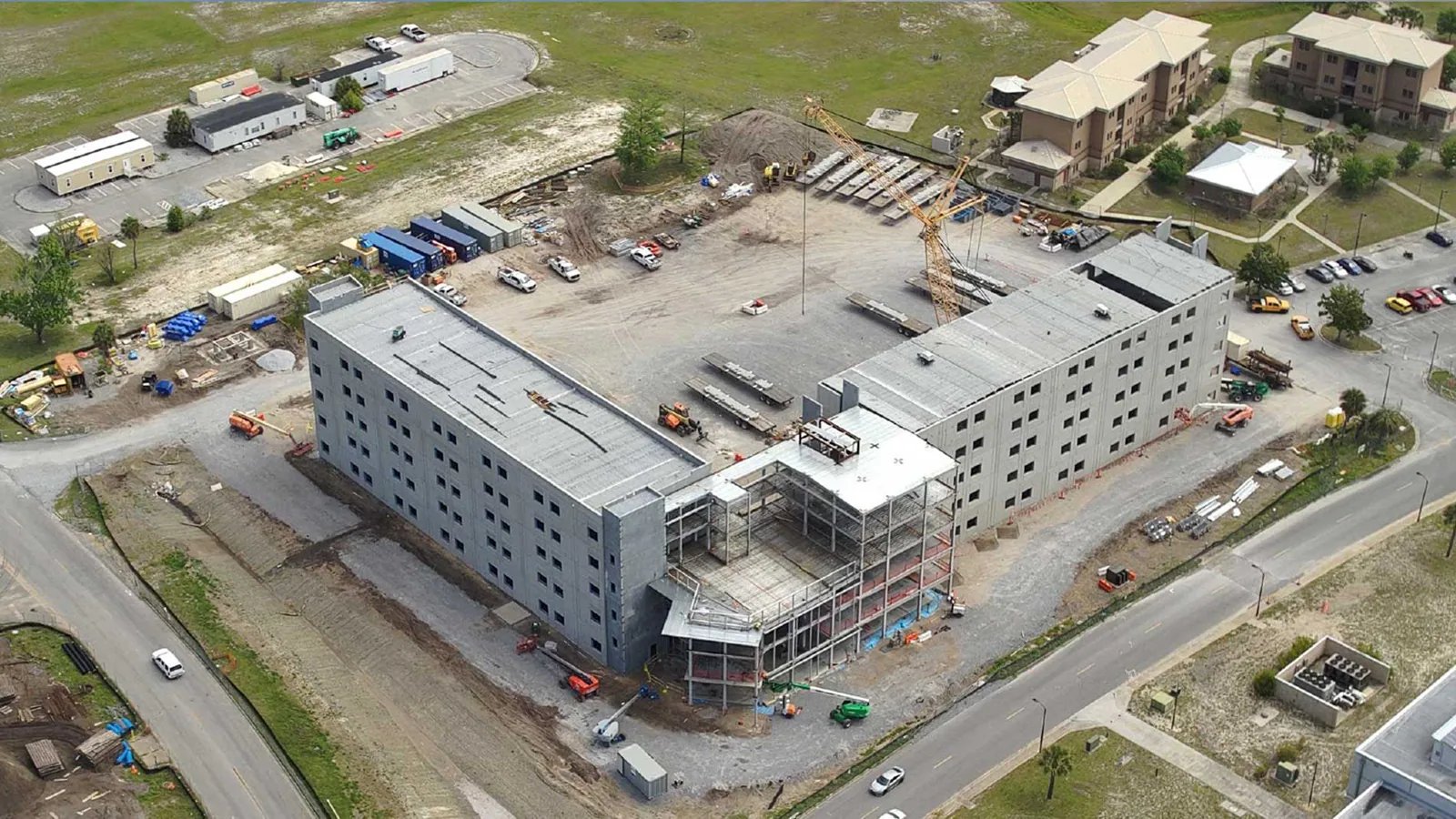
Close the permanent interfaces and records
Current roof conditions must suit the selected installation requirements before permanent work proceeds. We assess the supporting surface and intended materials rather than use an available crew or a calendar window as proof of application readiness. Preparation and permanent joining may have different dependencies, which should be visible in the day plan. You can coordinate the operator’s released zone with tasks that are actually ready, keeping unsuitable surfaces or unresolved connections outside an unsupported completion promise while supporting work and accepted details are prepared.
The handoff identifies installed construction, completed areas and permanent connections with the agreed project checks. We separate unresolved roof concerns from the assigned replacement so the maintenance log has a useful endpoint. If applicable warranty documents require notice, review or specific records, resolve those terms before alteration and retain them with the work request. Coverage outcomes need their actual documents assessed. Adjacent restoration should follow the relevant permanent connection and review, rather than the field-placement date being used to release every equipment interface or closeout obligation.
Compare the replacement boundary, not just the system name. A replacement comparison should show which existing layers leave, what supporting material is allowed to remain and how the new roof terminates at walls, drains and equipment. Ask each bidder to mark identical roof zones and state its insulation, attachment, disposal and metal assumptions. If destructive verification could change quantities, list the unit price and approval step before award. Concord Business Park and the civic districts each contain buildings with distinct operating needs; use the assigned property's records rather than borrowing a nearby roof's construction as a template. The completed recommendation should explain why replacement is preferable to repair or recover and identify the interior protection required during tear-off. That gives procurement a complete basis to compare proposals.
Commercial Roofing Questions
What should I bring to a replacement discussion?
Bring roof records, the proposed section and your building calendar. We identify protection, removal and equipment releases before defining the installed scope.
How do I compare replacement with recover?
Compare complete construction endpoints and supporting findings. A retained-layer option needs its own condition basis before lower removal quantities become a procurement commitment.
What can change the detail price?
New thickness, attachment and actual curb or wall interfaces can change reconstruction. Resolve those details beside the selected roof section before ordering.
Does membrane delivery establish the start?
Confirm the whole assembly, suitable conditions and operator releases. One delivered sheet does not make every supporting component or equipment interface ready.
When can adjacent work proceed?
Use the completed permanent connection and agreed project review. Keep blocked equipment details and required records visible after broad field installation.