Distribution Center Roofing in Concord, CA
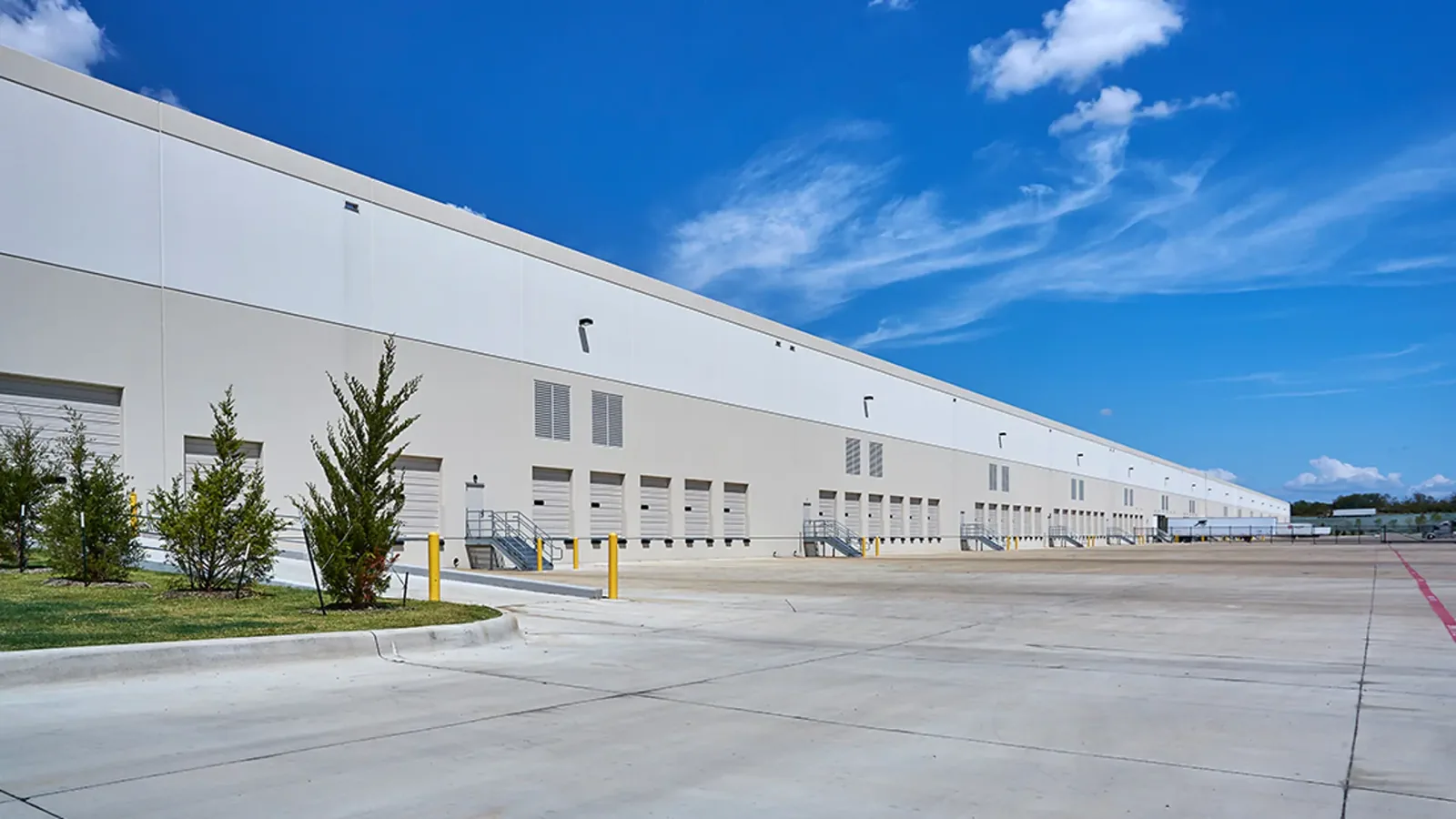
The receiving route at a proposed Concord, CA distribution center roof project matters as much to the facility director as the material arriving on the roof. A delivery position can affect dock access while removal exposes space holding goods below. We identify the roofing preparation and describe the area affected by each stage before dates are chosen. You can compare that work with dock hours and contents controls, then reserve a practical sequence instead of fitting an undefined roof opening into whatever period remains.
A leak may also call for attention before the broader construction decision is ready. We examine the reported entry and explain a suitable interim exterior measure where practical. Roofing emergency call coordination continues overnight and during weekends or holidays. Tell us the affected space and responsible access contact, with interior protection and qualified electrical attention arranged where required. The permanent recommendation follows usable membrane, backing and drainage connections, with concealed moisture checked when it changes what can stay. Temporary coverage and lasting correction remain separate tasks in the maintenance log.
Reserve the receiving route before delivery
A loading position convenient for the repair can be inconvenient for a scheduled truck movement. We describe the ground space and route needed for lifting and material handling, then compare them with your operating requirements. Roofing while distribution work continues can use smaller stages or additional movement where access is restricted. Those tasks should be included before procurement reserves a delivery arrangement that cannot be used under the agreed dock controls.
The interior area underneath removal needs the same early attention. Identify the stored goods or passages requiring protection and who will coordinate them. We explain the exterior opening and its temporary closure so the responsible contact can arrange the affected space. A later increase in the removal boundary requires another look at those controls. The roof sequence can then change from an observed condition and a defined operating decision rather than leave the facility director to explain an unexpected wider exposure after work begins.
Check how retained areas reach the outlet
A phased replacement does not isolate drainage merely because a line is drawn between stages. Water from covering left in place may reach the opening before it reaches an outlet. Distribution roof drainage correction examines outlet connections and paths relevant to the proposed work. We identify obstruction, detail deterioration or a line question requiring another trade. Resolve those responsibilities before the new covering limits access to the connection or the temporary stage interrupts water movement.
An unsuitable retained edge can also prevent the intended closure. We assess its surface and supporting layers, then explain the preparation needed to connect temporary and permanent work. The preferred interior division may need revision from those findings. You receive the technical reason and affected area before the stage is changed, allowing contents protection to be coordinated with the actual exterior boundary. A completion date alone does not establish that damp backing is ready to receive the selected connection.
Assess the layers beneath a recover
A recover proposal for distribution roofing depends on retained condition, moisture and appropriate attachment. We examine available records and accessible details, then identify investigation that would change the option. The work surrounding a test opening needs protection and compatible restoration, not just a measurement. Include that task before an alternate is compared with replacement, so its limited removal is supported by the assembly rather than assumed from a serviceable looking exterior.
Replacement carries a different exposure and preparation sequence. We describe usable support and connections to areas remaining in place, including additional correction found below damaged covering. You can compare the alternatives with their contents and handling requirements retained. A less extensive surface operation does not remove every operating obligation, and broader removal still needs a practical closure plan. We explain these differences as actual work, giving the facility director a usable account of how each proposal affects the building.
Keep regional work requests tied to the subject site
For a municipal roofing assignment in central Concord, identify the subject structure and its authorized access requirements before planning the task.
For distribution-center roofing in Concord, identify the subject building and receiving requirements before planning the work. For a related proposed distribution building scope in the area, provide its own access contact and roof records rather than combine its condition account with the Concord proposal. We identify supporting preparation and drainage at the subject roof. Visits can be coordinated while each facility keeps its own dock controls, contents protections and findings, giving maintenance a distinct work request and permanent boundary for each property.
Reach the complete equipment connection
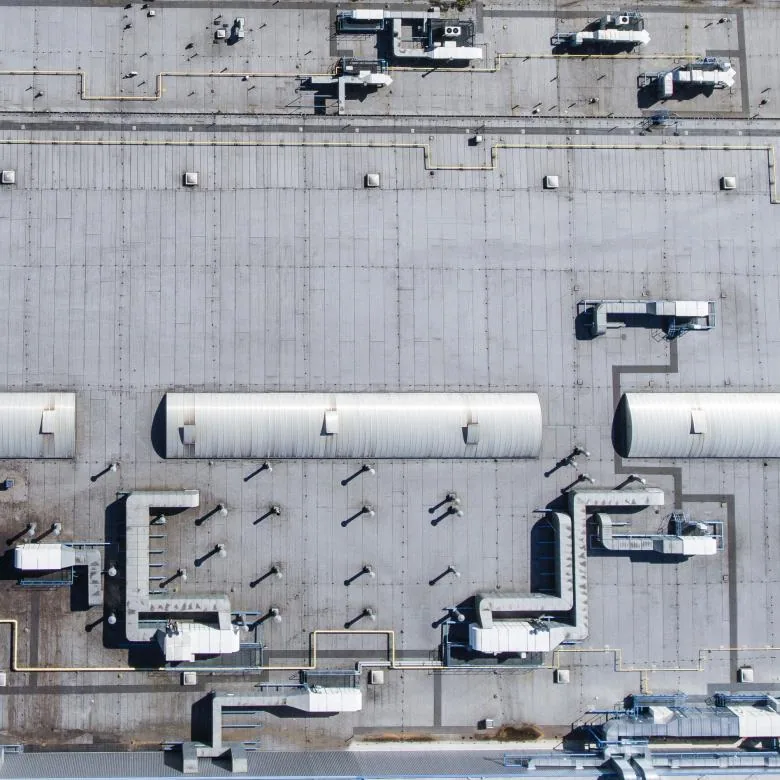
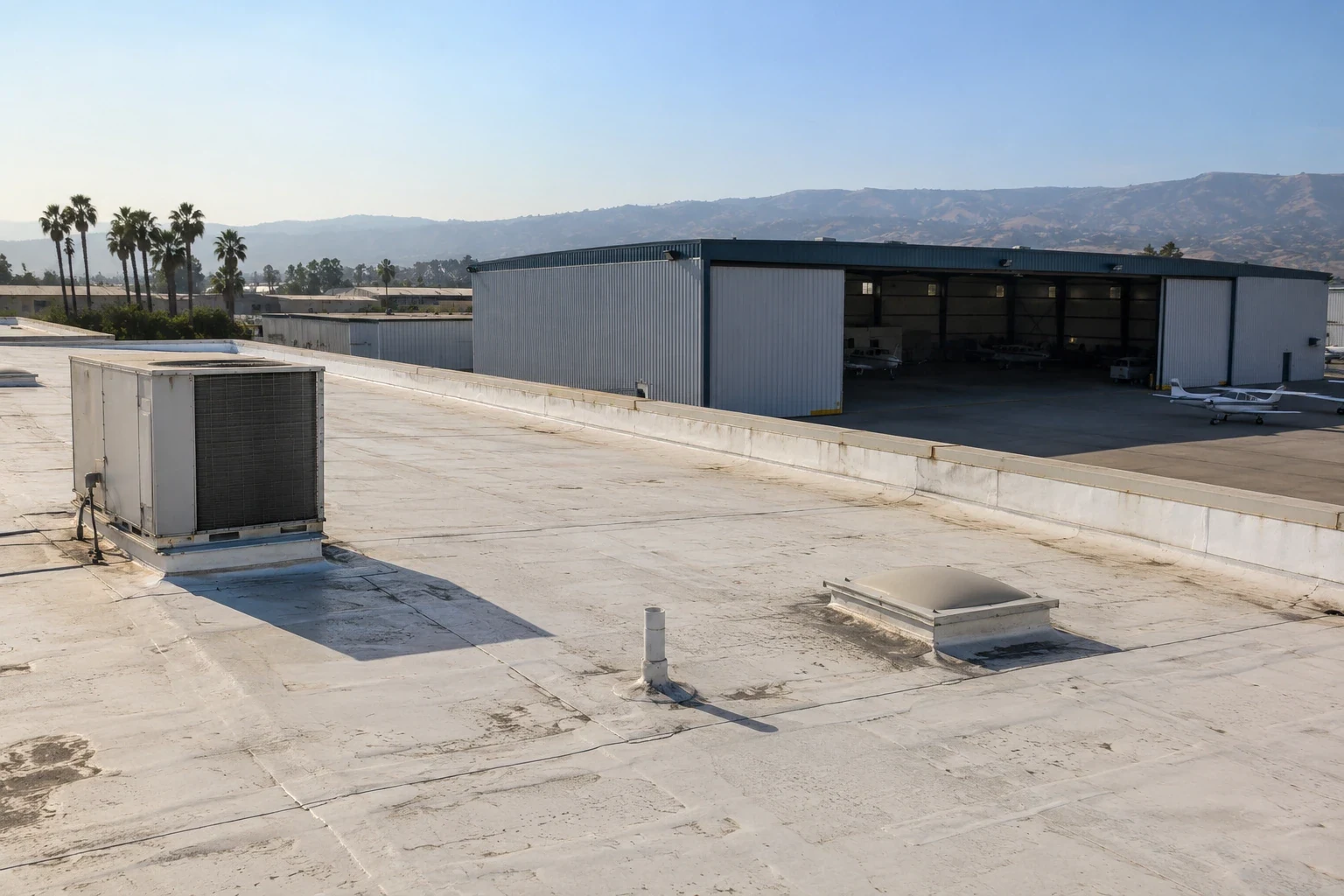
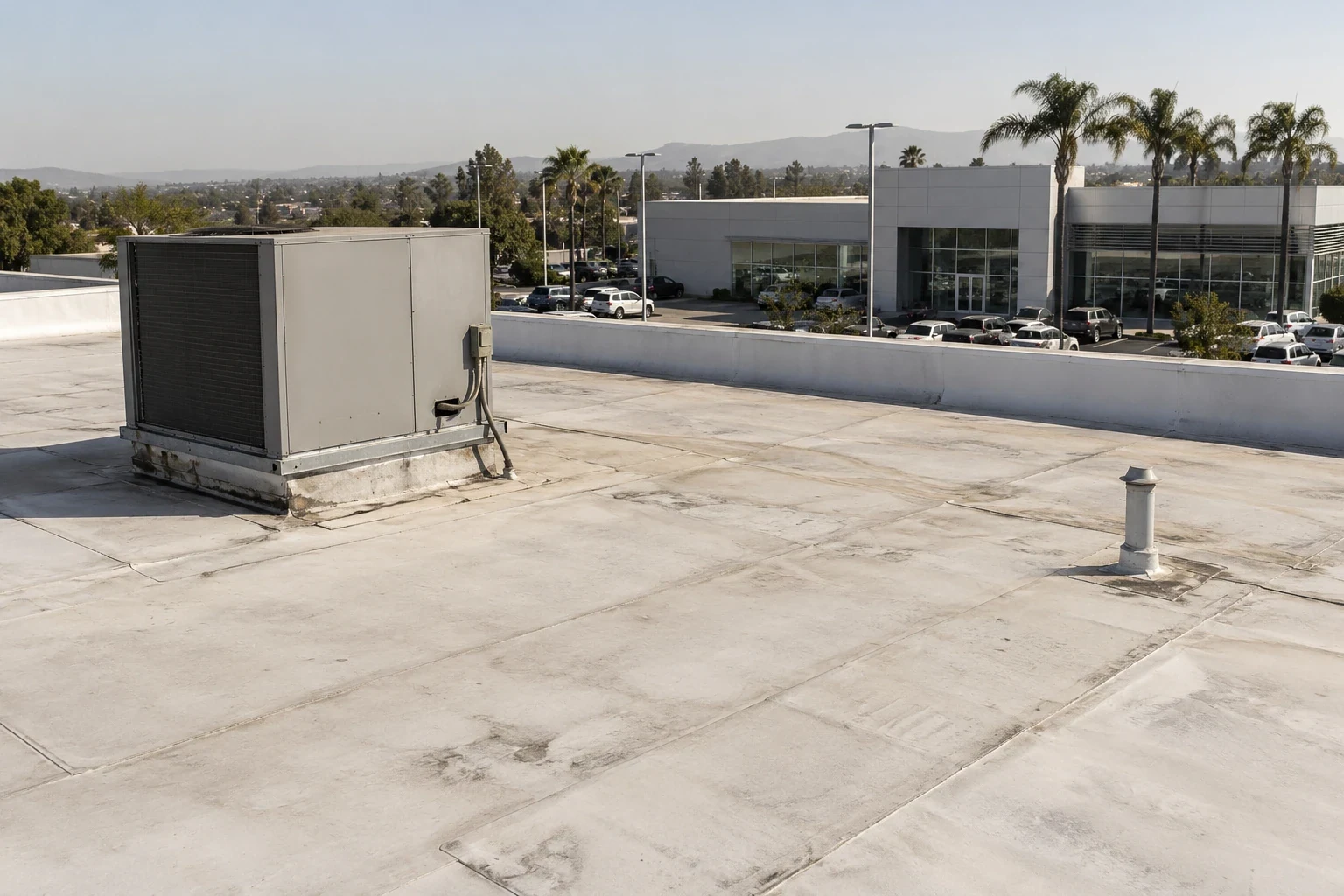
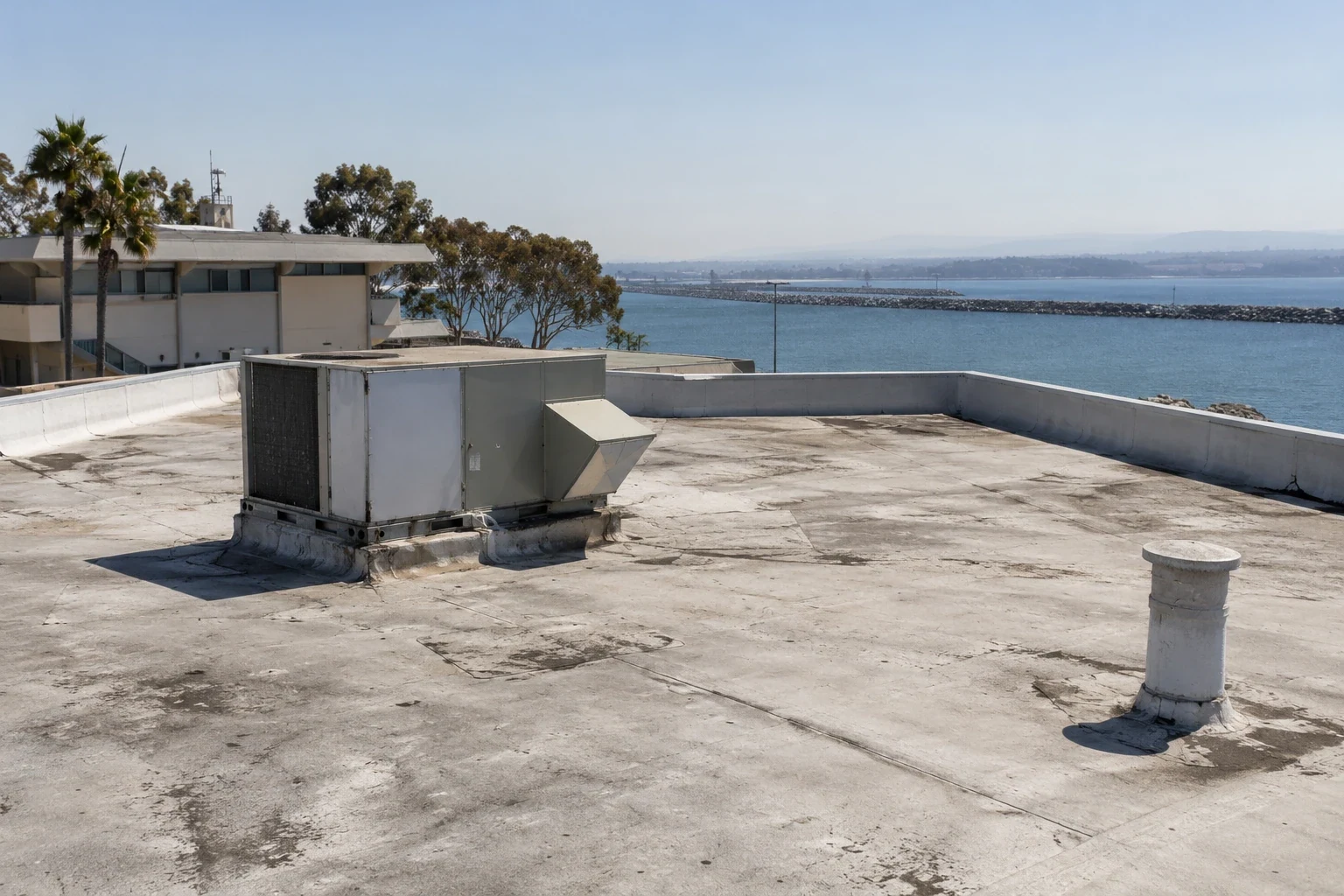
A roof unit or pipe near a planned stage can require adjustment before damaged flashing is accessible. Roof preparation at distribution equipment interfaces identifies the usable surface and clearance required for correction. We describe lifting or mechanical dependencies where they apply. You can arrange the equipment task before closure, with operating restrictions assigned through the responsible contact rather than assume an accessible roof field makes every perimeter detail practical to repair.
A component water path can also require a separate mechanical decision. We compare event timing with exterior findings and keep those responsibilities distinct in the recommendation. The roof correction needs compatible material and sound support, while unit drainage or structural changes need the appropriate discipline. A defined sequence gives each task its place before new material conceals the interface. You can communicate the planned work period from those dependencies without treating a component service visit as completion of the surrounding roof repair.
Use the record for later operating changes
Warehouse roof repair can share goods protection needs, while cold storage roofing adds enclosure questions where that use occurs. We identify the actual spaces included before coordinating material procurement. The facility director can preserve each operating requirement while comparing compatible coverings, with investigation and closure tasks explained by area instead of allowing one distribution label to conceal different preparation across the building.
The handoff account should identify completed outlet and equipment details along with the permanent field boundary. We separate deferred observations so they can receive their own maintenance task. Keep photographs and material information available for later servicing, with any new penetration reviewed against present condition. The record then supports another work request without assuming an earlier roof stage corrected neighboring areas or approved a future alteration that needs different access and preparation. Mount Diablo Industrial Park's multi-building employment setting calls for a property-specific dock and roof plan.
Commercial Roofing Questions
Can material unloading share the dock route during roof work?
Compare lifting and staging needs with the required truck movements first. We describe the handling arrangement. Include extra movement or another position where restrictions affect labor before delivery is reserved.
Why might drainage change our preferred construction stages?
Retained areas may send water through the proposed opening. We assess outlet paths and usable closure material. Reserve an exterior boundary that manages those connections while the protected interior area is coordinated to match.
What should distinguish the distribution recover alternate?
State retained condition and examination needed for moisture or attachment. We explain preparation and restoration around investigation. Compare the complete task with replacement while keeping contents and access requirements visible.
How should a rooftop equipment dependency be recorded?
Identify the clearance and adjustment needed before roofing preparation. We separate mechanical responsibilities from exterior closure. Place the approved equipment task ahead of the repair period so another component does not block the connection.
What helps after a later dock area leak report?
Retain the event timing with completed roof locations and material details. We compare current entry with those records. Maintenance can then assign a focused examination rather than assume the last repaired outlet caused the new symptom.