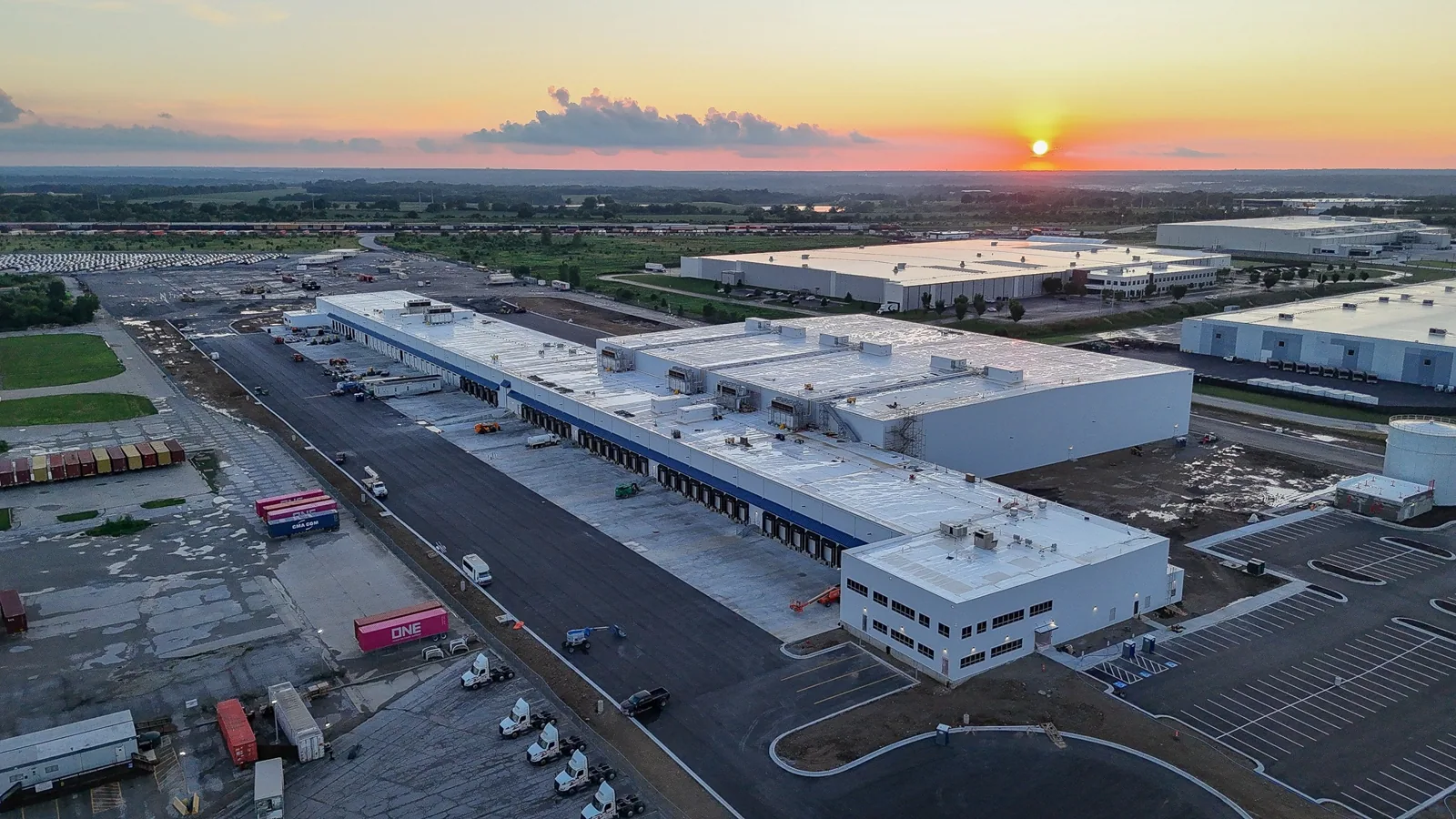
Cold Storage Roofing in Concord, CA
A proposed cold storage facility roof scope in Concord, CA asks the facility director to protect a conditioned space while deciding what roof material can remain. Moisture indoors may involve water entry through the exterior, enclosure performance or equipment operation needing another specialist. We examine the accessible roof and explain the findings that support correction. You can coordinate stock, access and enclosure requirements around the actual opening, with investigation and permanent preparation defined before the work period is chosen.
An active leak can need temporary exterior attention while that decision is refined. We handle roofing emergency calls overnight, through holiday periods and on weekends. Tell us the reported area and responsible operator contact so examination can be arranged through a practical route. We describe suitable interim work after checking the relevant connection. Interior contents, electrical exposure and conditioned space questions are coordinated with qualified help as needed. Lasting correction follows usable covering and support; a surface patch does not establish that every moisture observation below has the same cause.
Separate exterior entry from enclosure moisture
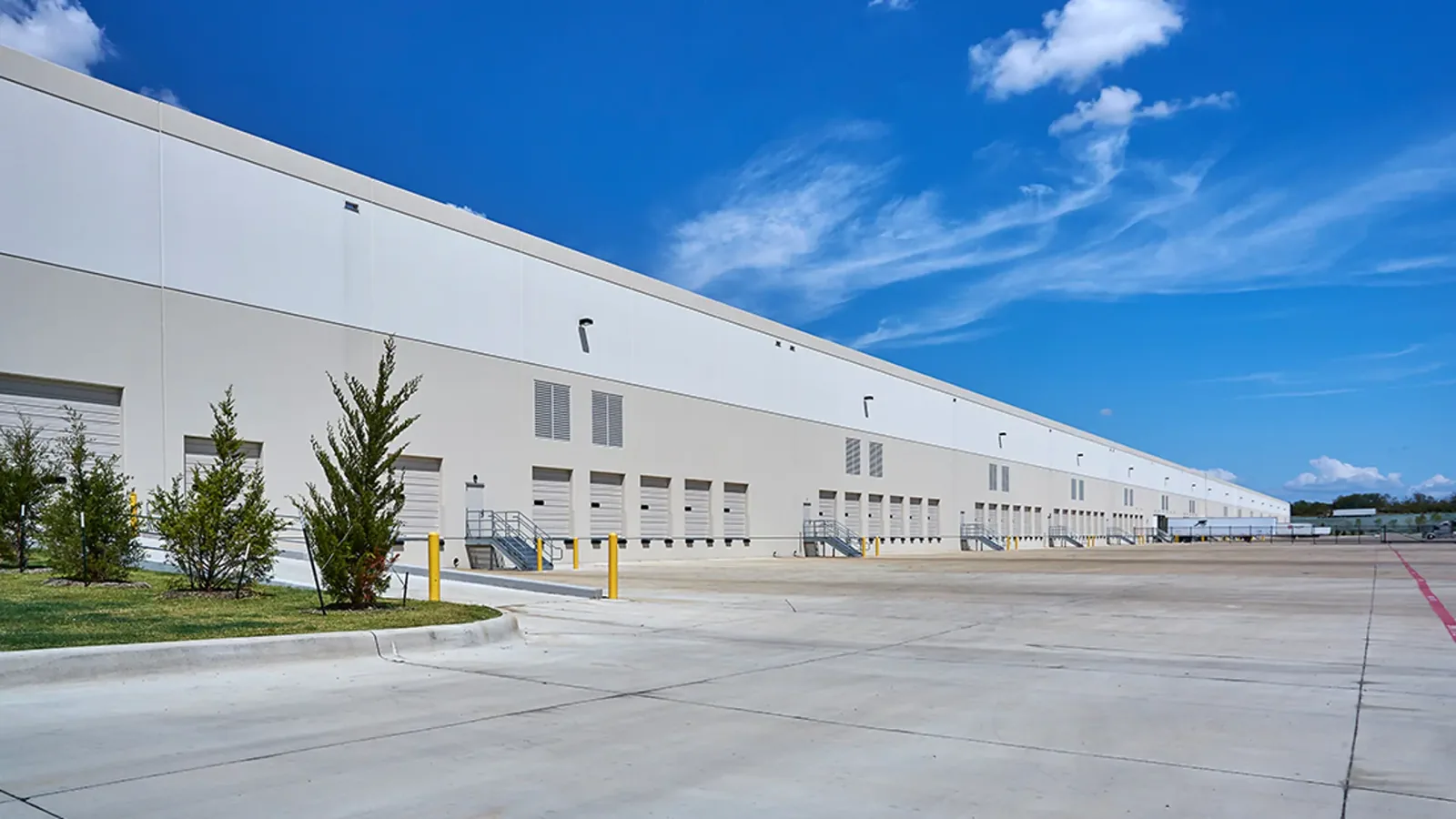
Warm moist air reaching a colder surface can produce condensation, so the reported event needs timing and location compared with the exterior findings. We examine accessible roof details and identify questions for the appropriate enclosure discipline where the project includes air or vapor control interfaces. Roofing above conditioned grocery storage can require those decisions alongside the exterior repair. Keep specialist direction attached to the task before closing layers around an unexamined interface.
The retained insulation needs its own condition review. Wet or deteriorated material can affect support and thermal performance, but its presence does not establish one universal path for the water. We explain what the accessible findings support and what additional examination would change removal. You can coordinate a defined opening with the operator rather than assume every affected surface indoors proves a broad exterior replacement. The repair boundary then follows usable material and the enclosure requirements actually involved in the proposed scope.
Restore usable insulation and support
Cold storage roof insulation preparation includes reviewing support and compatibility beneath the selected covering. We identify damaged layers needing removal and the usable retained connection around them. A membrane repair over unsuitable backing can leave the assembly question unresolved, so the proposed work needs more than the exterior patch dimension. The scope explains preparation and restoration supported by findings, allowing the facility director to compare a durable correction with temporary measures used during investigation.
An examination opening has its own effects on the space below. Coordinate stock and operating controls before layers are disturbed, with compatible restoration included around the measurement. We describe which question the opening addresses and how the result would change the permanent decision. A local finding also needs its reach kept clear; it is information about the area examined, not automatic proof of the concealed condition elsewhere. Further investigation can be assigned where a broader retention decision depends on that additional evidence.
Coordinate the equipment and roofing interface
A roof unit or support can obstruct flashing preparation while its operating role constrains the available work period. Roof connections at cold storage equipment need clearance and usable material at the complete interface. We identify lifting or adjustment needed before closure. Arrange those tasks with the equipment discipline and operator, keeping the roofing connection separate from acceptance of mechanical performance or another specialist enclosure decision that the proposed alteration affects.
Component water may also resemble exterior leakage. We compare reported timing with the roof condition and explain where mechanical assessment is needed. The exterior recommendation describes the observed detail and supporting preparation without treating a roof correction as resolution of unit drainage. You can coordinate these responsibilities before the work window is committed, with temporary protection documented where tasks require separate stages. The sequence then has a practical connection between equipment access and the roofing preparation that follows it.
Keep regional facility requirements separate
A cold-storage work request should name the assigned building, operator, affected zone and the conditions the roof team can review. Concord Business Park has several properties; assignments near Walnut Creek still need their own roof records and operator releases. For a visit in Concord Business Park, mark the storage rooms below, equipment routes and any stock protection the operator requires. If a group of buildings is being reviewed, keep findings separate because insulation, drainage and mechanical interfaces can differ. We describe the accessible assembly and any enclosure question that needs another specialist. That gives the facility director a defined roof boundary without carrying a neighboring operation's requirements into the proposed scope.

Close each stage around practical conditions
Roof work while cold storage remains in use needs the exterior opening and interior controls reviewed together. We describe removal, material handling and temporary closure so the operator can arrange the protected area. A smaller permitted stage can change labor and the number of connections required. Include that effect in the proposal before a preferred work date becomes an assumption that all preparation can be completed without further access or enclosure coordination.
Drainage can also change a practical stage boundary. We examine retained roof paths toward outlets and identify usable material for temporary connections. An interior division selected for stock access may need revision where it obstructs water movement or leaves damaged covering at the edge. We explain the technical finding before exposure expands, allowing the operator to review newly affected areas. Permanent closure follows suitable surface and support preparation, with interim measures kept separate when another period is needed to finish the correction.
Preserve the layers and deferred questions
Warehouse roofing shares contents protection concerns while manufacturing roof work may add other equipment dependencies. We identify the uses included and explain preparation for each actual assembly. The facility director can coordinate compatible procurement while retaining conditioned space interfaces as separate requirements. Similar membrane choices do not remove the need to review insulation, support and specialist enclosure decisions before the permanent roof connection is selected.
Cold storage roof condition reporting should retain examined locations and limits alongside completed material information. We separate exterior correction from deferred mechanical or enclosure questions at handoff. Maintenance can use those locations for a later symptom and plan additional attention where needed. A new equipment or penetration proposal still receives review against the current assembly, allowing compatible preparation to be defined without assuming the earlier roof work resolved every conditioned space interface. At Concord Business Park, map protected storage zones to the assigned roof and access release.
Commercial Roofing Questions
Does condensation inside storage establish an exterior leak?
Compare its timing and location with the roofing findings. We identify exterior defects and questions needing enclosure or equipment assessment separately. Coordinate those specialist tasks before treating one membrane repair as the complete correction.
What should a test opening include around conditioned storage?
Define the concealed question, protected area and compatible restoration. We explain what its finding changes in the permanent scope. Arrange operator and enclosure requirements before disturbing layers over the affected space.
Can wet insulation remain below a new covering?
Examine retained condition and supporting suitability before selecting the assembly. We describe removal where findings require it. Compare complete preparation options rather than assume the surface connection resolves damaged layers beneath it.
How should equipment operating requirements affect scheduling?
Review them with the responsible operator and mechanical discipline. We identify clearance needed for roofing preparation. Sequence approved adjustment ahead of closure and retain temporary protection where the exterior work needs separate stages.
What belongs in the cold storage roof handoff account?
Record completed material layers and repair locations with unresolved enclosure or mechanical questions separate. We explain the exterior boundary delivered. Later alterations can then be reviewed against present condition and their own specialist requirements.