Commercial Roof Condition Reports in Concord, CA
A warehouse facility director needs a condition report that can become a useful work request above the actual storage or receiving area. We prepare commercial roof condition reports in Concord, CA, with marked defects, examination limits and proposed actions connected to the assigned building. The report should explain the roof decision. A photograph gains practical value when the finding also identifies a usable location, the preparation it needs and any operating release required before further investigation.
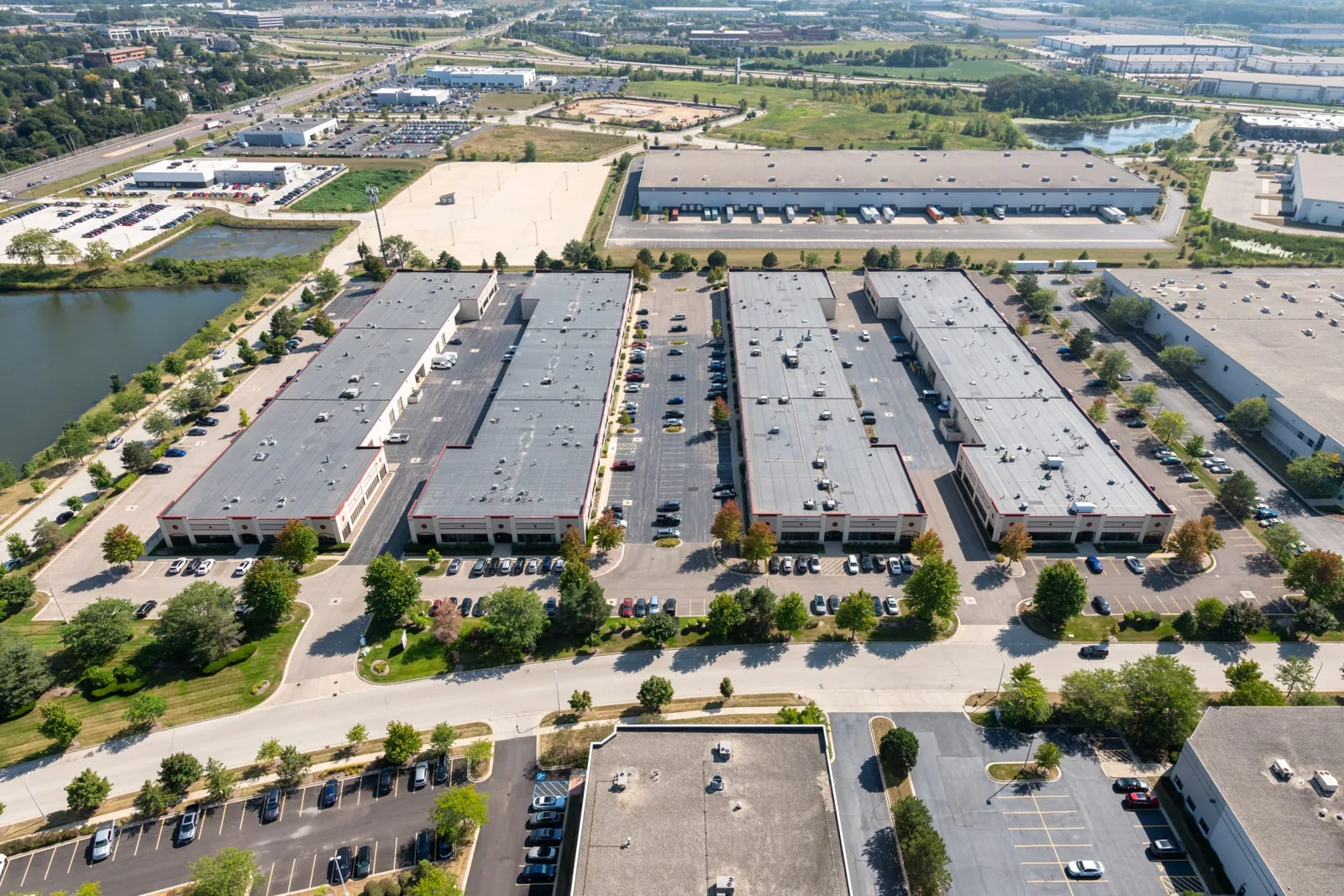
Concord Business Park is an industrial property at the I-680 and SR 4 junction. For a proposed assessment there, we start with the specific building and its facility contact. What runs underneath the examined area? Which route can receive examination equipment? We describe the intended visit so the operator can establish its actual restrictions. The findings retain that building identification rather than combine an entire park's roofing under one condition statement.
State the examined area and the limits
A blocked roof area or concealed transition can limit the findings available from a visit. We identify where examination occurred and what prevented a closer assessment. The report should distinguish an accessible observation from a detail still requiring an opening or another release. Keep those limits beside the proposed task so a future maintenance review does not treat an unexamined connection as confirmed usable construction.
Examination of the assigned commercial roof includes accessible covering, transitions, drainage and supporting information relevant to the task. Available drawings and earlier repair records help locate concerns, but current findings remain separate from those older documents. We explain where assembly identification is incomplete. That gives the facility director a clear basis for the next examination instead of an apparently complete material description with uncertainty omitted.
Mark the detail behind the photograph
A seam opening needs its location, accessible material and adjoining condition recorded before it becomes a repair quantity. We examine the usable receiving area and identify whether contamination, weathering or earlier repair material affects preparation. The finding should explain what is observed and what additional examination would change the boundary. It should not turn a short visible gap into an unsupported conclusion about every joint across the roof.
A flashing concern also needs the transition and upper termination considered together. We describe accessible support, clearance and receiving surfaces where they affect the proposed correction. Another trade may need to resolve an equipment or wall interface. Keeping that dependency with the marked defect lets the facility director coordinate a suitable release before an opening is made, with the roofing task connected to the actual detail being assessed.
Separate a surface finding from hidden condition
Water entry can affect insulation or support outside the visible roof defect. We assess available indicators and identify further investigation where a retention decision depends on concealed material. An authorized opening needs its purpose and compatible closure described. The report should retain that decision with the affected space, letting the facility team arrange the examination without treating an unconfirmed hidden quantity as established replacement work.
Thermal screening for further moisture investigation can support the choice of examination locations under suitable conditions. We retain method limits and appropriate confirmation with the finding. The report should distinguish a thermal response from the material condition actually established. That gives a proposed removal allowance a reviewable basis and preserves uncertainty where the examination has not yet confirmed the layers in question.
Connect the next action to the building use
A hospital-area roof assessment may need the affected clinical space and equipment interface identified before access is released. For a healthcare roofing assignment in Concord, identify the subject structure and its authorized access requirements before planning the work. For a proposed assignment at a medical property nearby, we describe the examination and closure so the designated facility contact can establish its restrictions. Those instructions remain specific to the assigned building and visit.
An assessment for a property decision can have a different access boundary from a maintenance examination. We state the intended purpose and observations available within the agreed release. The facility director should see which unresolved detail affects the decision and what examination can settle it. A deadline does not remove that uncertainty; the report needs to preserve it alongside the proposed next action.
Distinguish correction from the broader option
A usable report should separate an observed repair, further investigation and a broader roof option. We explain the preparation for a confirmed defect and identify the decision needed where retention or removal remains unsettled. The deferred list should show that next action rather than place every concern under a general replacement recommendation. The facility team can then authorize a task supported by the findings.
A capital option developed from condition evidence needs the same limits retained when preparation or cost is considered. We identify supporting interfaces that affect the installed endpoint and operating release. Keep an urgent protection task separate where active entry needs earlier attention. Our emergency call service is available through nights, holidays and weekends for assessment of feasible immediate measures while a permanent scope is being established.
Preserve the finding for the next PM review
A completed correction needs its location, material connection and remaining concerns returned to the maintenance log. We identify the boundary delivered and any adjoining condition left outside the authorized task. A later equipment alteration can create a new interface requiring its own assessment. The old report remains useful background, but the next work request needs the current condition of that altered connection established.
A proposed visit at the Concord Business Park location should retain the designated property and release instructions. For an identified EPDM roofing assembly, the report describes preparation and suitable connections specific to that examined material. The facility director can use the marked findings to arrange the next task and distinguish completed corrections from deferred investigation, keeping the roof record practical for the people who will act on it.
Make the report traceable to its observation limits. A useful condition report states the roof area accessed, the method used, weather or surface limitations, observed defects and any area not examined. Link each photograph to a roof-zone label and distinguish a visual observation from a tested or opened condition. A property manager can then see what supports a repair recommendation and what remains a question. For Concord Business Park and other multi-building sites, name the individual property and assembly on every finding instead of grouping nearby roofs under one condition. Add the proposed next step, responsible reviewer and any temporary protection status. The record becomes useful for later comparison because a reader can tell whether a change reflects new damage, completed construction or a different inspection boundary.
Commercial Roofing Questions
What should a report say about an inaccessible detail?
Identify its location, access limit and the decision it affects. We describe the further examination needed. That keeps an unexamined area separate from a confirmed condition finding.
Does a repair photograph establish the removal quantity?
Assess the usable boundary and adjoining material first. We distinguish observed damage from concealed questions. The report then ties the proposed correction to preparation actually supported by the examination.
How should a thermal indication appear in the findings?
Keep the method limits and confirmation requirement with the indicated area. We distinguish screening from established material condition. Retention or removal follows the appropriate examination evidence.
Can a condition report settle an acquisition deadline?
It can identify accessible findings and remaining questions relevant to the decision. We retain the examination limits. The responsible decision maker can then see what further access or assessment is still needed.
What makes the report useful after a repair?
Retain the completed boundary and materials beside the earlier finding. We identify deferred concerns separately. The next PM review can then distinguish closed tasks from an examination or approval still outstanding.