Commercial Roof Due Diligence Surveys in Concord, CA
An office facility director reviewing a proposed property decision needs the accessible roof condition and the unanswered questions kept together. We perform due diligence roof surveys in Concord, CA, with the assigned building, examination extent and retention decisions identified for review. The survey should explain what the available visit can establish. A deadline can narrow the access period, but it does not make an inaccessible transition or concealed supporting layer a confirmed condition.
Mount Diablo Industrial Park is a multi-building industrial area in Concord. For a proposed assessment there, we need the designated building and permission for the intended roof visit. What spaces can be observed? Which equipment route is available? We describe the investigation so the facility contact can establish its instructions. The findings remain tied to that actual assignment, giving the property decision a roof-specific basis rather than a broad park description.
Set the examination purpose before the visit
A proposed acquisition may need condition evidence for a retention option, an immediate repair or a larger capital allowance. We identify that intended decision before defining the survey. The visit should assess the accessible construction relevant to the question, with further investigation stated where it could change the result. That keeps the facility team's access request focused on a useful examination.
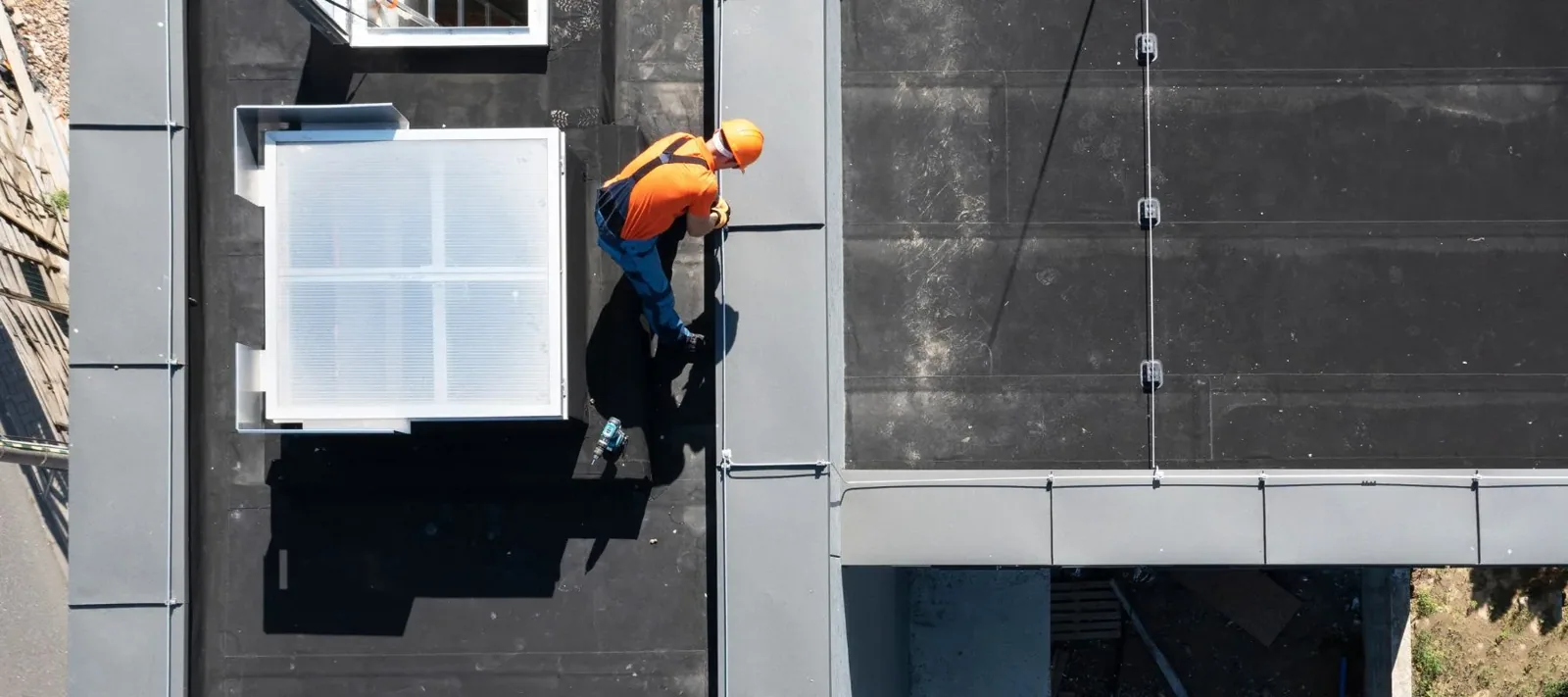
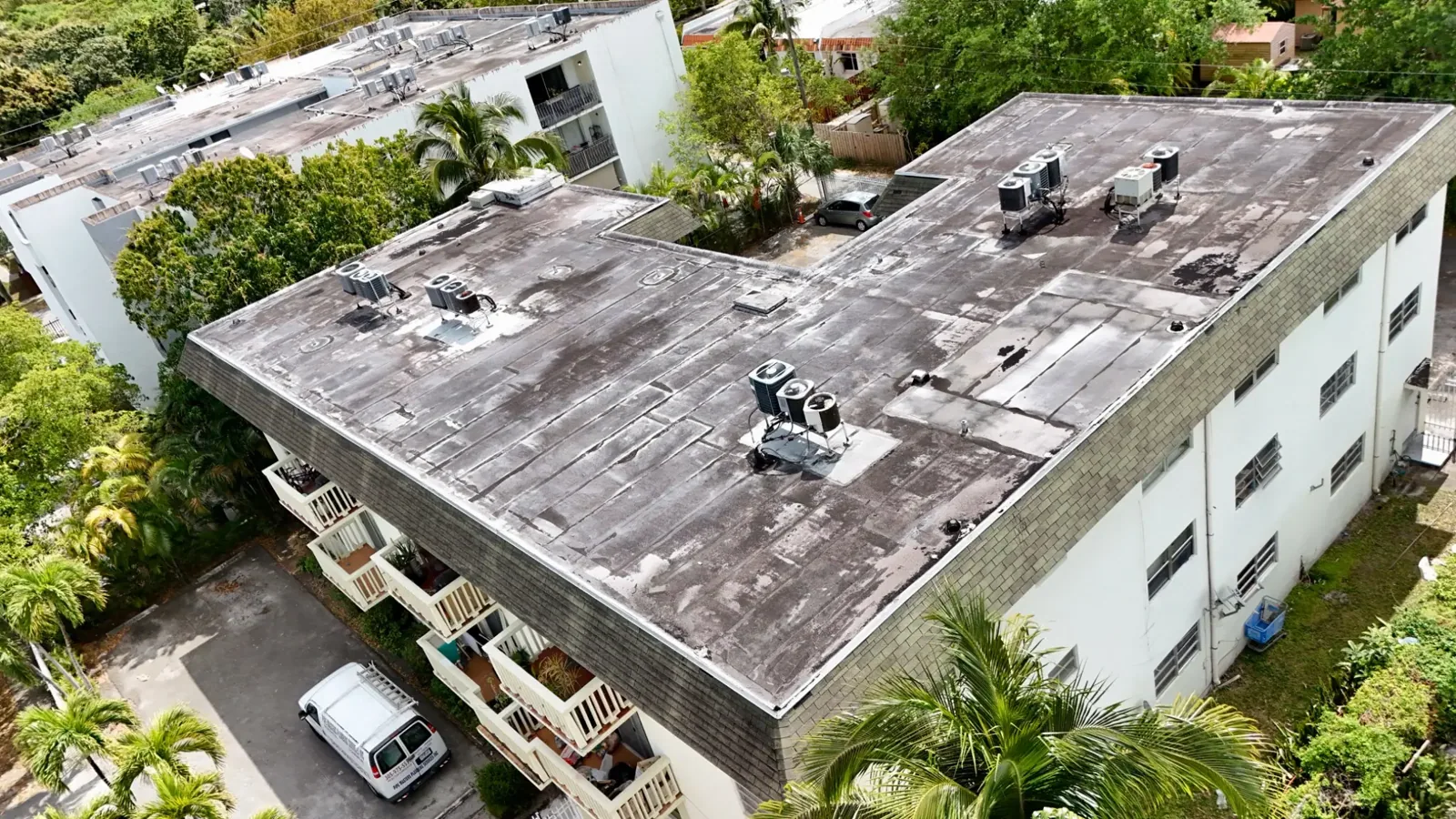
Examination of the assigned roof construction connects covering, details, drainage and available supporting information. We compare accessible findings with supplied roof drawings and earlier repair records without treating those records as current physical proof. Where assembly identification is incomplete, the survey preserves that limitation. The decision maker can then see which additional information would settle the proposed option and which condition has already been observed.
Examine the surfaces the option would retain
A retained-layer proposal depends on suitable supporting construction and usable connections, not just an intact-looking upper covering. We assess accessible condition and identify where a further opening affects retention. Added thickness may change roof-to-wall, curb or drainage details. We identify accessible fasteners, damaged support and available receiving height where those details affect the proposed connection. A remaining design assessment stays separate from the material findings, so its purpose and release remain visible before the option is selected. Those interfaces should stay with the proposed option so the decision does not become a material commitment before its preparation is defined.
Marked findings for the proposed property decision distinguish observed defects from concealed questions. We describe the appropriate investigation and compatible closure where further examination is needed. Keep its purpose and authorization beside the finding. A limited survey can still be useful when the unanswered condition is explicit; uncertainty should not disappear simply because the initial visit has ended.
Confirm the quantity that changes the decision
Possible moisture in concealed material can affect removal and retention differently from a surface defect. We identify suitable further investigation where that condition changes the proposed scope. The facility director needs the affected space and closure task described before an opening is authorized. The survey should separate the confirmed roofing correction from a provisional concealed quantity that still needs examination.
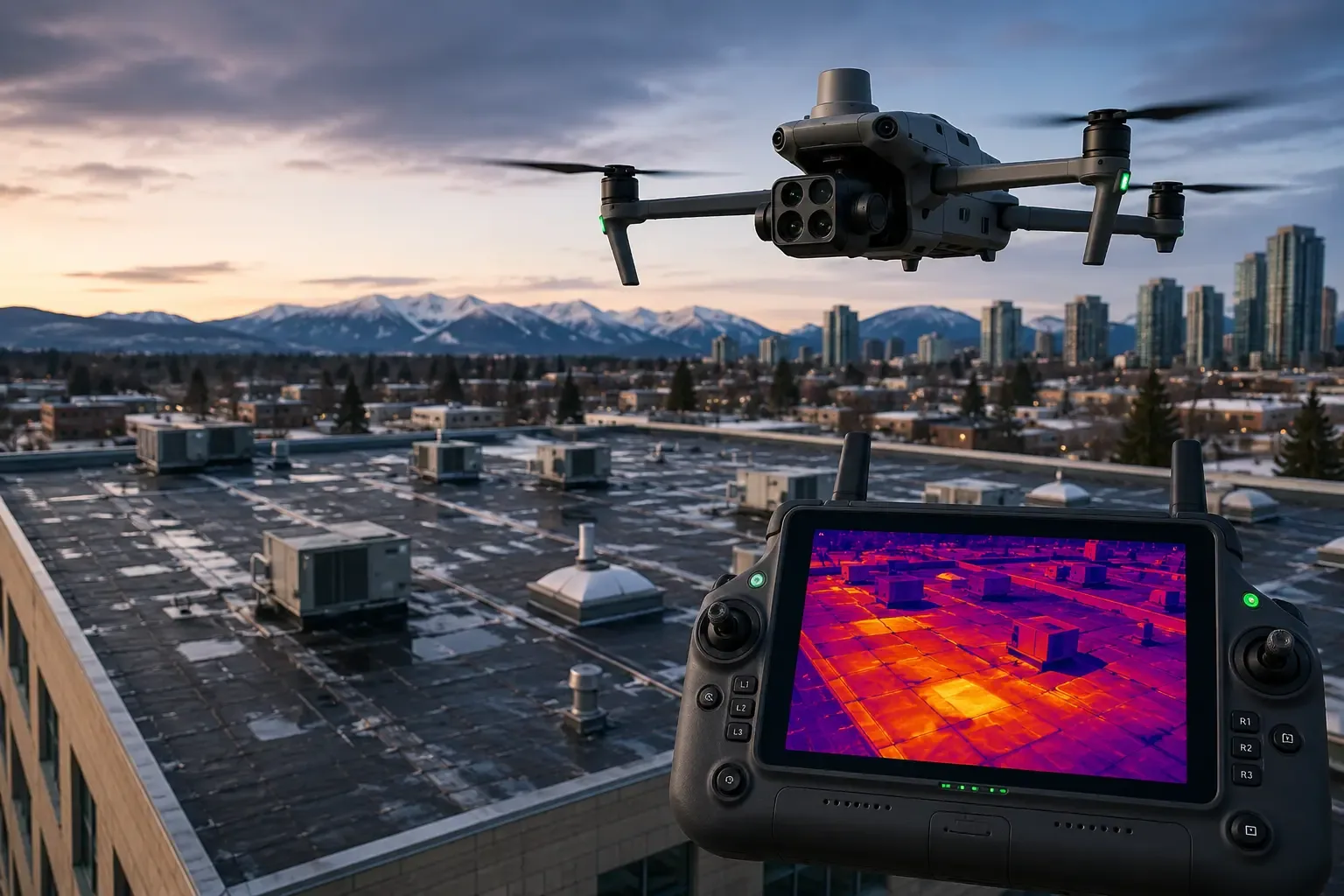
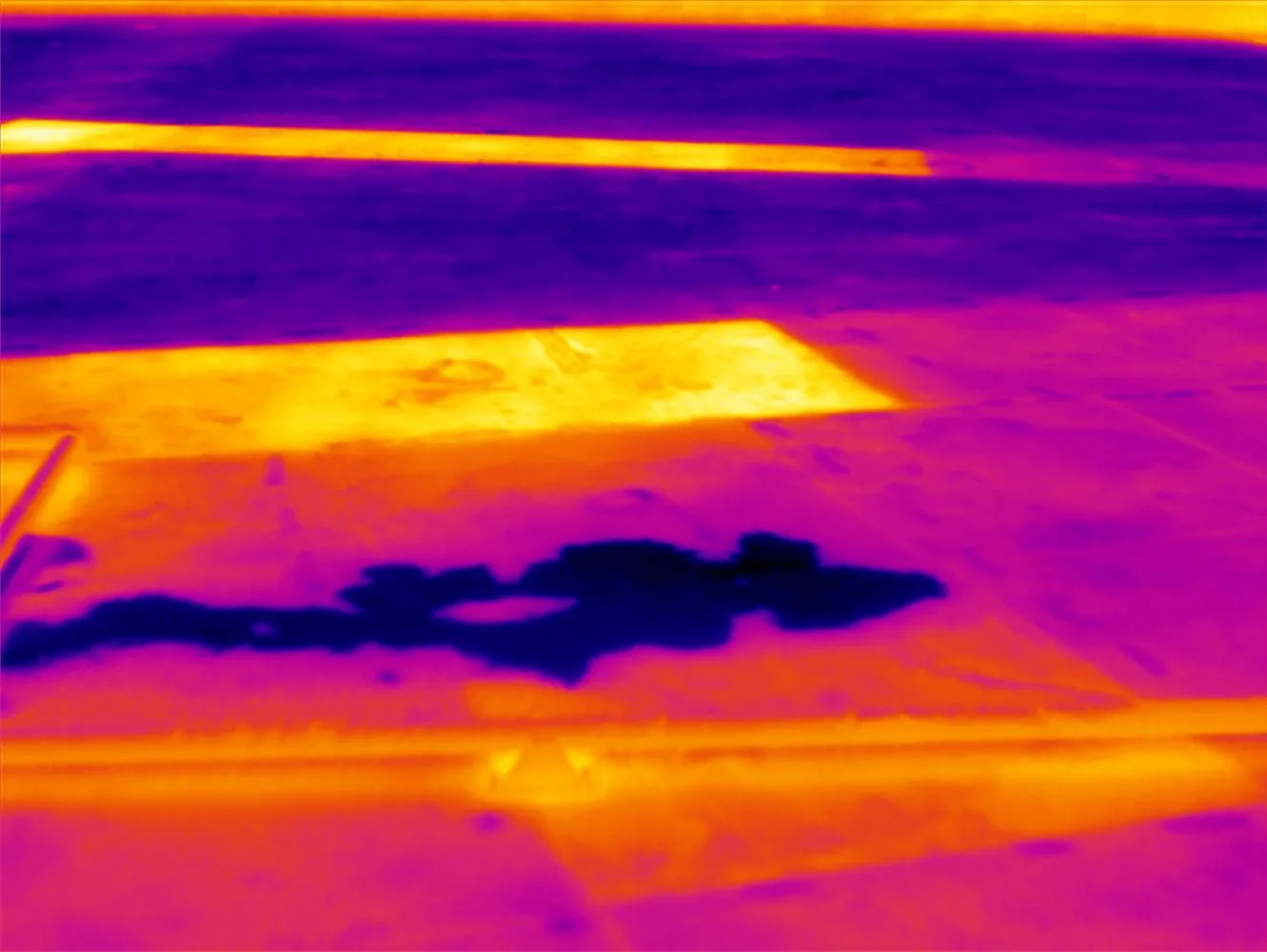
Thermal screening to guide moisture examination can support location selection under suitable conditions, with relevant confirmation retained. We identify what the method indicates and what material condition has actually been established. The decision maker can then review the removal allowance from evidence appropriate to the option. A thermal finding should not become proof that every layer beneath an indicated area is wet or unsuitable.
Retain the operating boundary with the findings
An office area's available observation period can differ from the release needed for permanent roof removal. We discuss the intended examination and material route with the assigned facility contact. The visit record should identify restrictions that limited access and the further release needed for a proposed correction. That lets the decision maker distinguish the survey's actual scope from construction tasks still requiring operator approval.
Roofing work for the assigned office building needs its own preparation and suitable daily closure. We identify where an equipment or wall task affects the permanent connection. Keep those supporting decisions with the survey recommendation. A condition finding may establish a repair need without establishing that every trade interface is ready for installation during the same period as the initial roof visit.
Arrange the actual property release
For a municipal roofing assignment in central Concord, identify the subject structure and its authorized access requirements before planning the task.
A survey near Mount Diablo Industrial Park needs the same building-specific permission. We identify accessible connections and the preparation that affects a later correction. Related properties can share a decision date while still requiring separate findings. The report should preserve each examined assembly and supporting question, giving the facility team a clear task to arrange before extending one roof's condition conclusion to another.
Return the option and the remaining questions together
A due diligence handoff needs the observed condition, examination limits and proposed next actions in one usable record. We identify confirmed repairs and the supporting investigation that could change a broader option. The decision maker can see what the visit established and what still needs approval. An allowance should state its purpose and remaining quantity rather than look like a confirmed complete replacement price.
A capital option developed after the survey retains procurement, design and operator decisions that affect the installed endpoint. We describe the preparation and permanent connections before the work period is reserved. Emergency assessment is available at night, during weekends and over holidays where an earlier feasible holding measure is needed. Its immediate protection purpose remains separate from the property decision and the permanent task still awaiting examination or release.
Match survey limits to the transaction question. A due-diligence survey should start with the decision the buyer or lender needs to make: current leak exposure, near-term repair scope, replacement planning or confirmation of an existing allowance. Define which roofs can be accessed, whether drawings and maintenance logs are available, and whether any opening or moisture testing is authorized. A visual survey can flag risk but does not confirm concealed layers or promise a service life. Concord's Northeast and Downtown districts contain different building uses; the specific assigned properties and operator releases determine the survey boundary. Deliver observed findings, supporting evidence, excluded areas and the additional checks that could change the estimate. That gives the review team a useful basis for a transaction without hiding uncertainty inside a single condition label.
Make survey limitations useful to the transaction. Start with the decision the survey needs to support: current water exposure, a repair allowance, likely replacement scope or a question about retained construction. Agree which roofs are accessible, which drawings and maintenance records are available, and whether openings or testing are authorized. The report should distinguish visible observations from conditions that require additional confirmation; a visual visit does not confirm concealed layers or a service life. For properties near Pike Lane and Forni Drive or Bishop Ranch, identify each assigned building and operator so one roof's condition is not carried into another. State the survey date, areas examined, limits, evidence and next decision needed. That gives a buyer, lender or facilities director a usable record with uncertainty visible before an allowance becomes a fixed construction quantity.
Commercial Roofing Questions
What decision should be identified before the survey?
State whether the examination supports retention, repair or a broader capital option. We define the relevant accessible scope and unresolved questions. The visit can then address a specific roof decision.
Can a limited visit still support a property review?
Keep its examined areas and restrictions explicit. We identify further investigation that could change the option. The decision maker can use the accessible findings without treating an unexamined condition as settled.
What should accompany a concealed-condition opening?
Define its purpose, affected space and compatible closure. We identify the retention or removal question it must settle. The facility contact can then arrange a useful authorized examination.
Does a survey release establish construction access?
Retain the two permissions separately. We describe the permanent task's material movement and exposure. The operator must establish the actual release needed for that correction.
What belongs with a provisional capital allowance?
The provisional figure needs its option, included preparation and remaining quantity question stated. We keep investigation and approval dependencies visible before procurement.