Infrared Roof Moisture Survey in Concord, CA
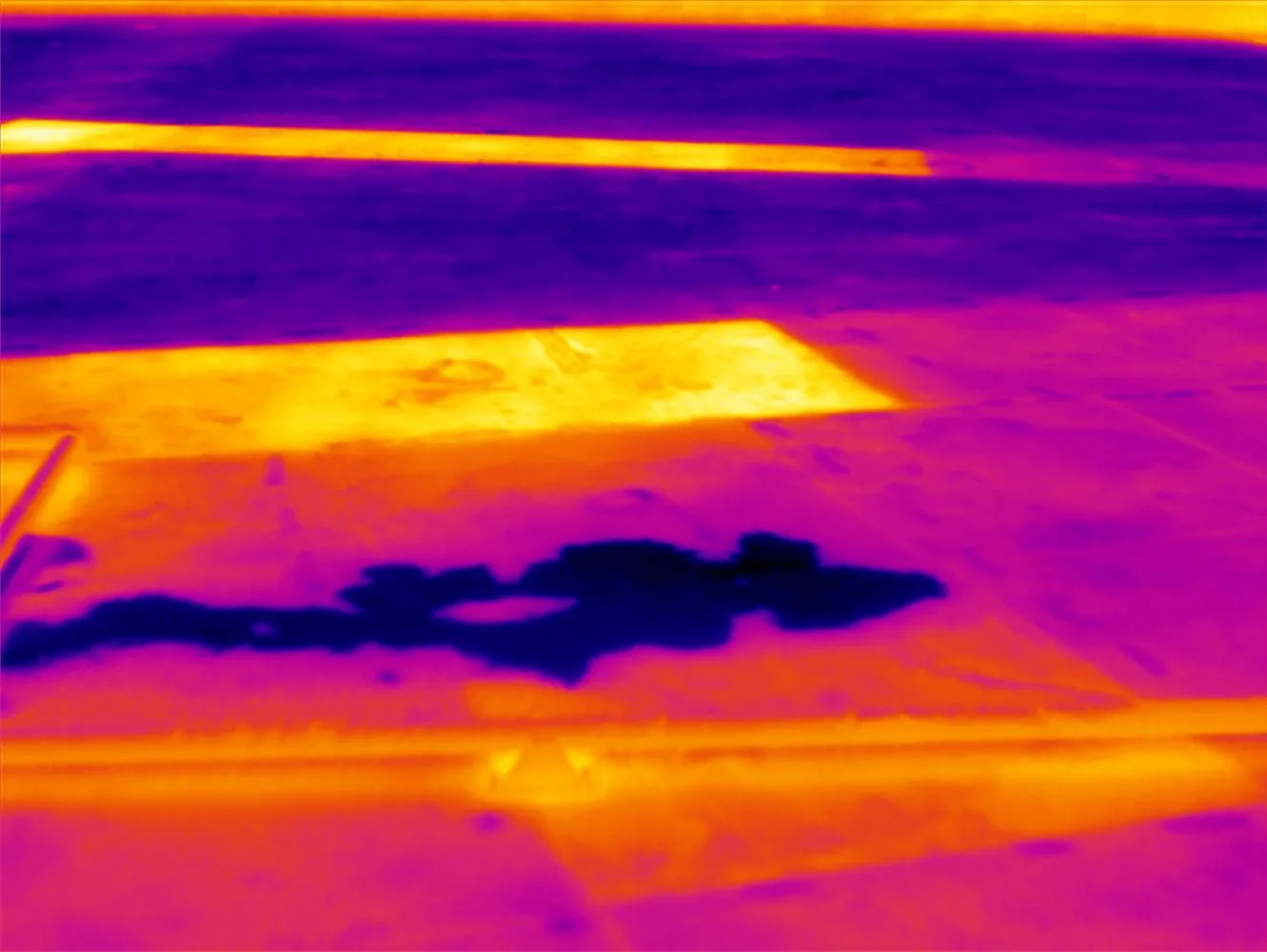
A hospital roof decision needs its facility director to protect occupied rooms while establishing whether supporting layers can remain under proposed work. Infrared roof moisture survey in Concord, CA, starts with the actual assembly and the question the findings must support. We define suitable observation, identify confirmation required and distinguish suspected locations from established condition. Share roof records, leak history and the proposed repair or retention option. For a healthcare roofing assignment in Concord, identify the subject building and operator's access requirements before planning the task. For a proposed roof survey there, obtain the actual operator’s access and equipment requirements with the assigned areas. We discuss observation and follow-up examination before scheduling. The work request can identify the construction being assessed and the supporting decision it must inform. Facilities has a clear investigation sequence to coordinate with building use, with unavailable areas and confirmation tasks retained beside the indications instead of an assumption that one observation period establishes every concealed layer’s condition.
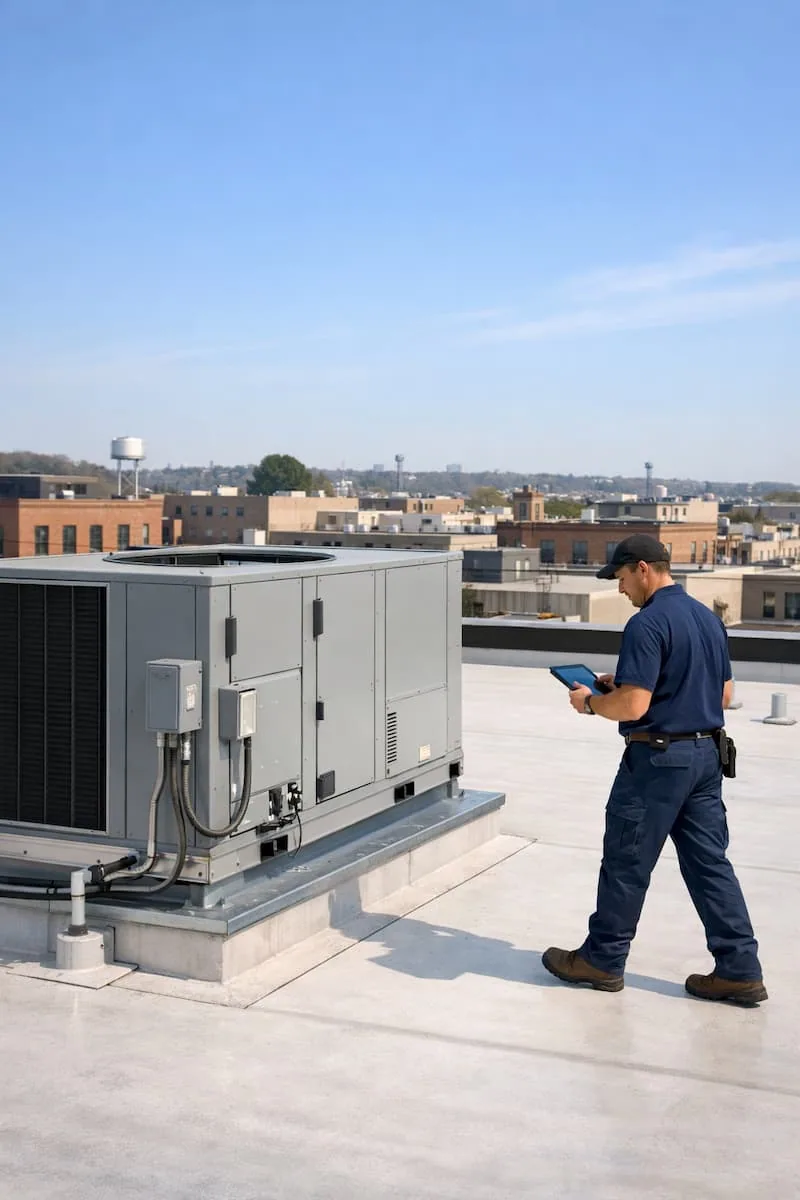
Identify the assembly and survey question
The intended repair, retention or removal decision determines what supporting information the survey needs to address. We review available assembly records and accessible construction before defining the observation scope. Bring known leak locations and earlier repairs into that review. The request should identify what remains uncertain and how relevant confirmation will be arranged. Facilities can then use the findings as a decision basis rather than a generic roof image being interpreted as complete proof of wet insulation, acceptable attachment or every permanent preparation task required for later installation.
A supporting roof inspection can establish accessible material and detail information beside the survey question. We distinguish observed construction from concealed layers that need further checks. Arrange those tasks before orders rely on retained material or final removal quantities. An upper surface can appear continuous while supporting condition remains unresolved. The useful scope connects suitable observation to relevant confirmation, with remaining limits stated so facilities does not treat one visible finding as approval of the entire existing assembly for new construction.
Arrange suitable observation conditions
The method needs conditions suitable to meaningful observation of the assigned assembly. We assess the relevant requirements and actual roof situation before committing the survey task. A requested calendar period does not establish those conditions by itself. Share the operator’s available access and roof information early enough to coordinate the observation appropriately. Facilities can then distinguish a planned task from findings actually obtained, with unsuitable or unavailable areas reported as limits rather than a promise that every period and roof construction will yield an identical moisture conclusion.
Observation can also be constrained at equipment or other interfaces where the intended area is unavailable. We identify the limit and describe follow-up needed to support the decision. Relevant operator or trade releases belong in that request before the work is scheduled. A thermal indication should not be used to fill an unobserved gap with a wet-layer assumption. The report can guide examination at accessible locations while preserving construction questions that remain concealed, so facilities can arrange appropriate confirmation instead of approving permanent removal from an incomplete coverage basis.
Confirm indications before removal is committed
Suspected locations need suitable confirmation to establish the supporting condition relevant to permanent work. We identify that task and keep indications separate from verified findings in the scope and record. A recover decision using retained layers should follow the relevant supporting assessment before procurement. Facilities can then review an overlay against its actual retained basis rather than lower new-material quantities becoming an unsupported commitment to keep wet or otherwise unsuitable construction beneath the selected assembly.
Confirmed supporting replacement adds removal, disposal, new layers and permanent transitions into retained areas. We describe those tasks beside the established findings and identify how concealed extensions will be measured and approved. The report should not convert every thermal pattern directly into an identical repair quantity. Facilities can compare known work and unresolved condition separately, preserving daily closure and the intended permanent endpoint. A new upper membrane cannot remove moisture below it, so the construction scope needs the actual supporting correction identified before later installation is treated as ready.
Connect findings with the selected roof option
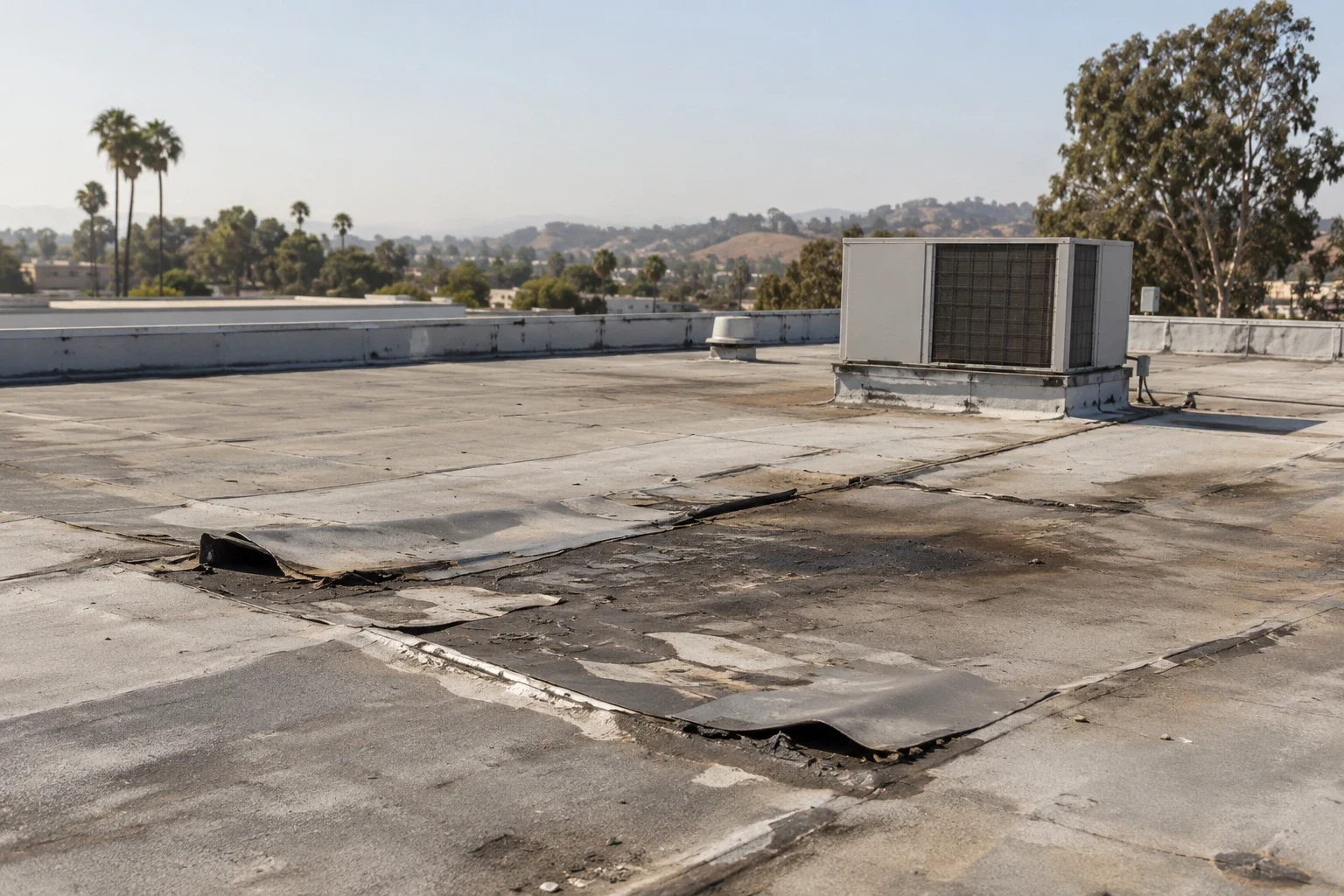
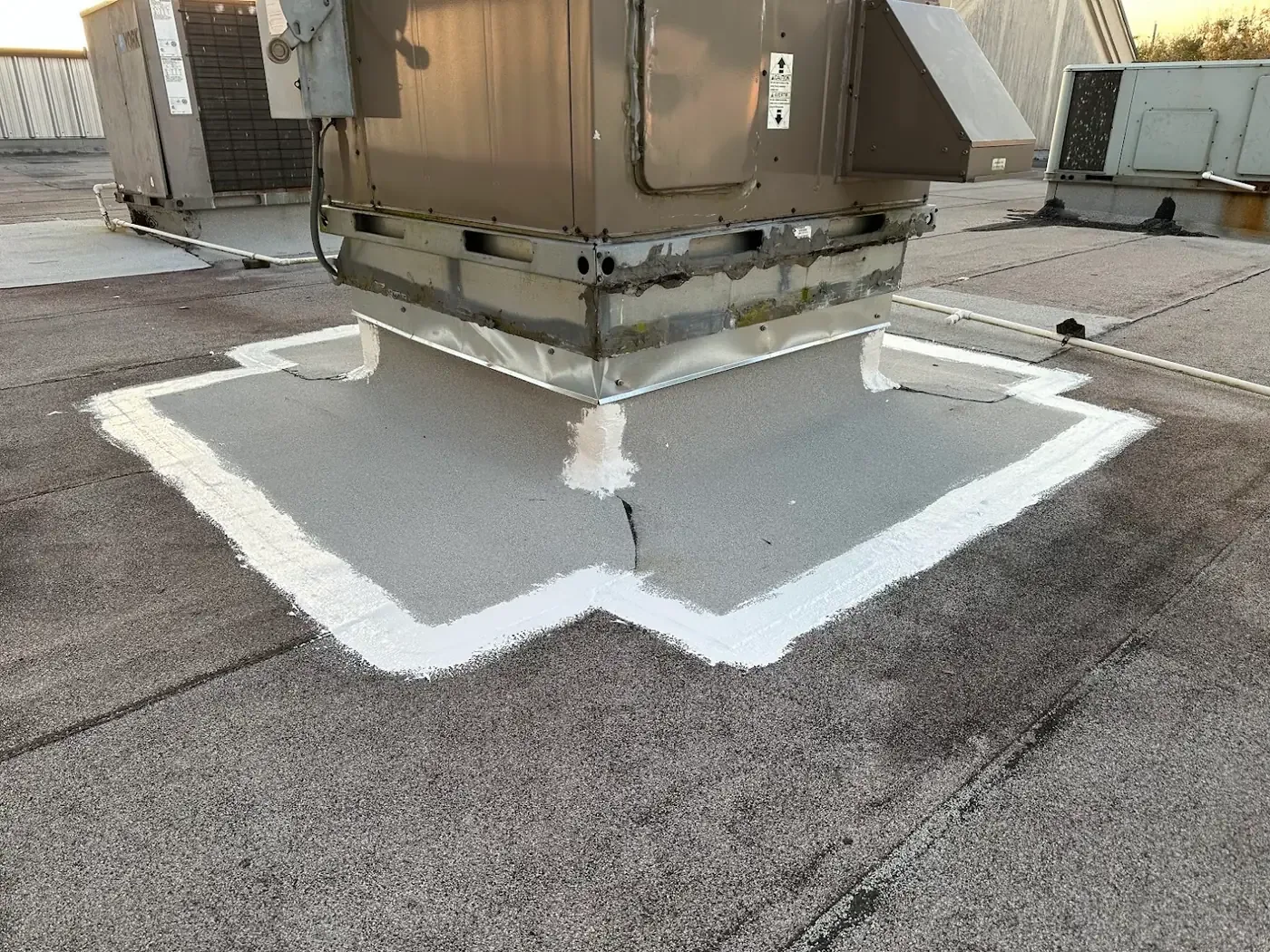
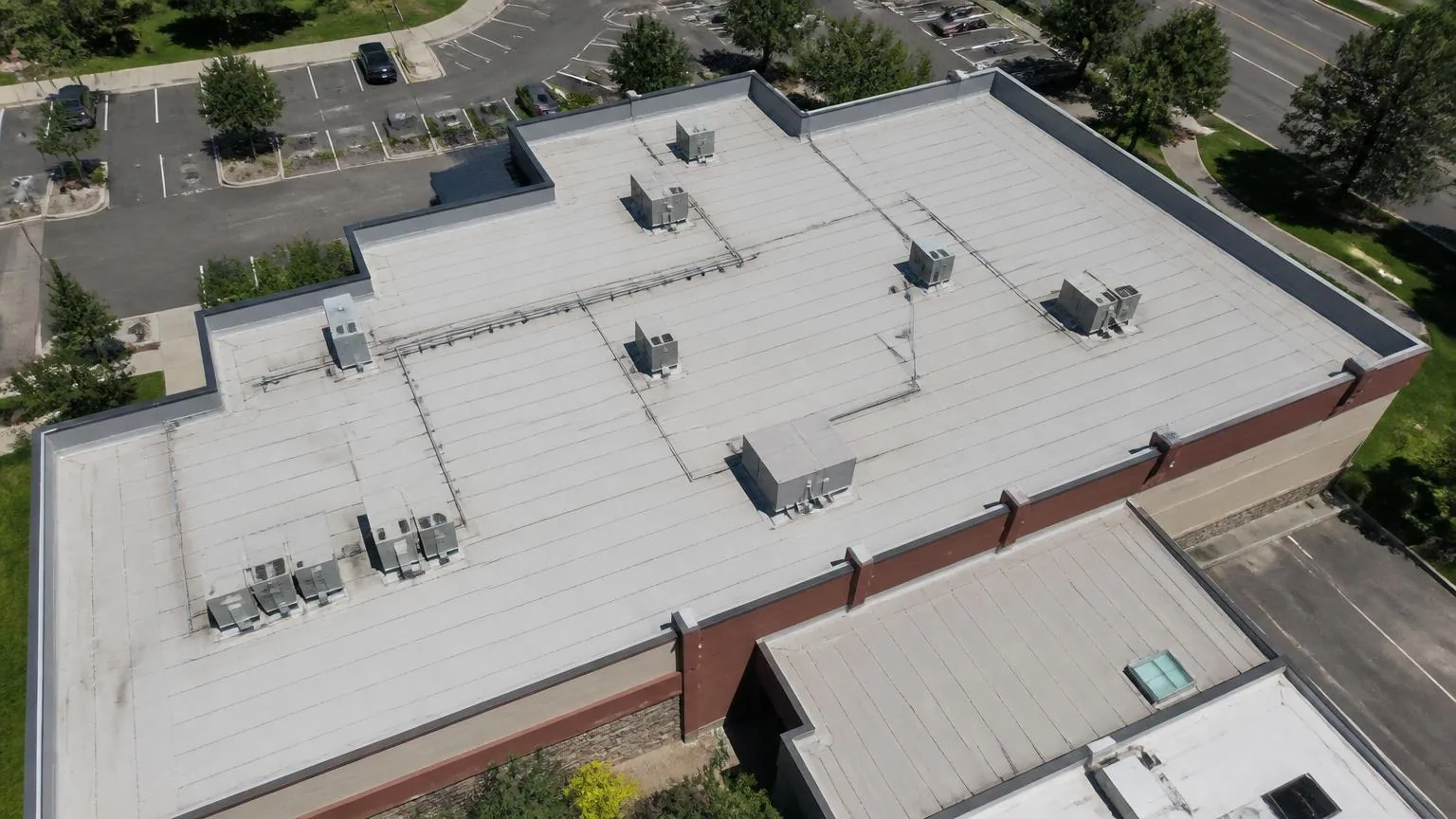
A TPO construction decision needs the actual supporting section and compatible detail requirements reviewed alongside moisture findings. We identify preparation and removal relevant to that assembly rather than assume a new membrane family resolves every existing-layer question. Supply the proposed section before procurement. Facilities can then compare the installed endpoint with its condition basis visible, keeping field-material price separate from the supporting work needed to reach a suitable surface and permanent connections for the construction selected.
An EPDM assembly alternative should preserve the agreed supporting and interface endpoints while identifying changed installation tasks. We describe preparation and attachment differences for relevant project review. Similar observed areas do not make materials interchangeable or establish equal joining requirements. Submit the actual alternate before purchase so facilities can distinguish acceptance from availability. The survey findings inform supporting decisions, while compatible components and permanent detail construction still need their own defined review rather than being inferred from a moisture indication alone.
Coordinate confirmation with the building calendar
Follow-up investigation may need a different access period from the initial observation. We describe relevant roof and interior tasks with the operator’s permitted areas before the scope is committed. Share what runs below, equipment dependencies and keys or escorts arrangements where applicable. Facilities can then coordinate confirmation and permanent work as distinct releases. A survey period should not become an installation promise while supporting quantities, material requirements or another trade’s connection task remain unresolved. Keep daily protection and closure explicit where examination or later removal affects occupied-space coordination.
Municipal assignments require their own facility releases. For a municipal roofing assignment in central Concord, identify the subject structure and its authorized access requirements before planning the work. A proposed assessment around downtown Concord properties should retain the designated structure and actual operator requirements with its supporting question. We discuss access for that task before arranging observation. Consistent report categories can help facilities compare requests, while each roof’s construction, available areas and follow-up findings remain separate. Another property’s suitable period or condition cannot replace the assessment needed for the assigned building.
Retain confirmed findings and remaining limits
The record should identify observed areas, indications, confirmation and construction questions still unresolved. We connect those findings with assigned repair or retention decisions rather than a broad statement that the roof is wet or suitable. Keep the report with assembly records and the maintenance log so later quantities can follow the supporting basis actually established. Facilities can distinguish known permanent work from the deferred list and further investigation, preserving an accountable decision path before a budget allowance is used to commit installed construction.
Applicable warranty documents need their actual review and notice requirements assessed before alterations, without a promised coverage outcome from the survey. Permanent application also requires suitable current roof conditions and selected material readiness when construction is arranged. The observation date cannot establish those later requirements. For comparable work in Downtown Concord, retain each roof's test method and limits with its own record.
Commercial Roofing Questions
What should the survey request identify?
Provide the existing assembly, known symptoms and decision the findings must support. We define suitable observation and relevant confirmation before permanent quantities are committed.
Does a thermal pattern establish the wet boundary?
Separate indications from confirmed supporting condition. Arrange suitable follow-up before a pattern becomes a permanent removal quantity or a retained-layer approval.
Can the survey occur in any available period?
Review actual method and roof conditions with operator access. A calendar opening alone does not establish suitable observation or complete coverage.
What should a recover decision use?
Use relevant supporting confirmation and the selected assembly requirements. Lower new-sheet quantities do not establish suitability of every layer proposed to remain.
What belongs with the final findings?
Retain coverage, indications, confirmation and limits beside the construction decision. Keep later material, application and document requirements distinct from the observation task.