Commercial Roof Leak Repair in Concord, CA
An occupied hospital floor needs its facility director to protect rooms and equipment while a roof leak’s source is investigated. Commercial roof leak repair in Concord, CA, starts with the reported symptom and an actual roof-side assessment. We compare accessible seams, flashing and equipment interfaces with interior observations before defining the permanent repair. Share when the water appeared, where it was seen and what runs underneath. Facilities can then coordinate investigation and protection without approving a patch solely from the ceiling mark or assuming every nearby unit means the roof sheet caused the symptom.
For a healthcare roofing assignment in Concord, identify the subject building and operator's access requirements before planning the task.
The work request can keep immediate protection, source confirmation and compatible permanent work distinct, with the building calendar tied to the tasks ready to proceed. That gives facilities an accountable scope to coordinate above occupied space rather than a single surface allowance with its diagnosis unresolved.
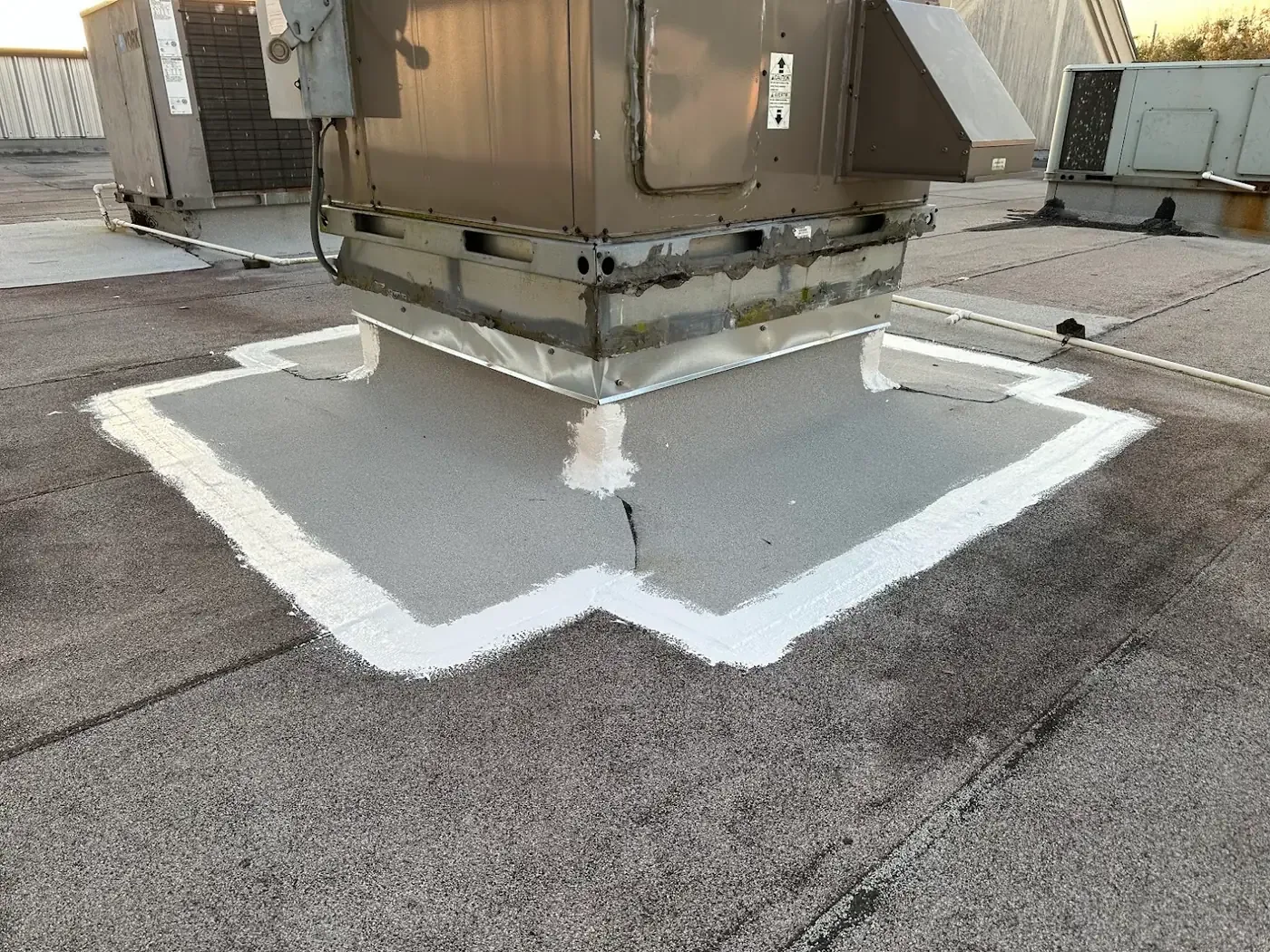
Trace the symptom to its relevant connection
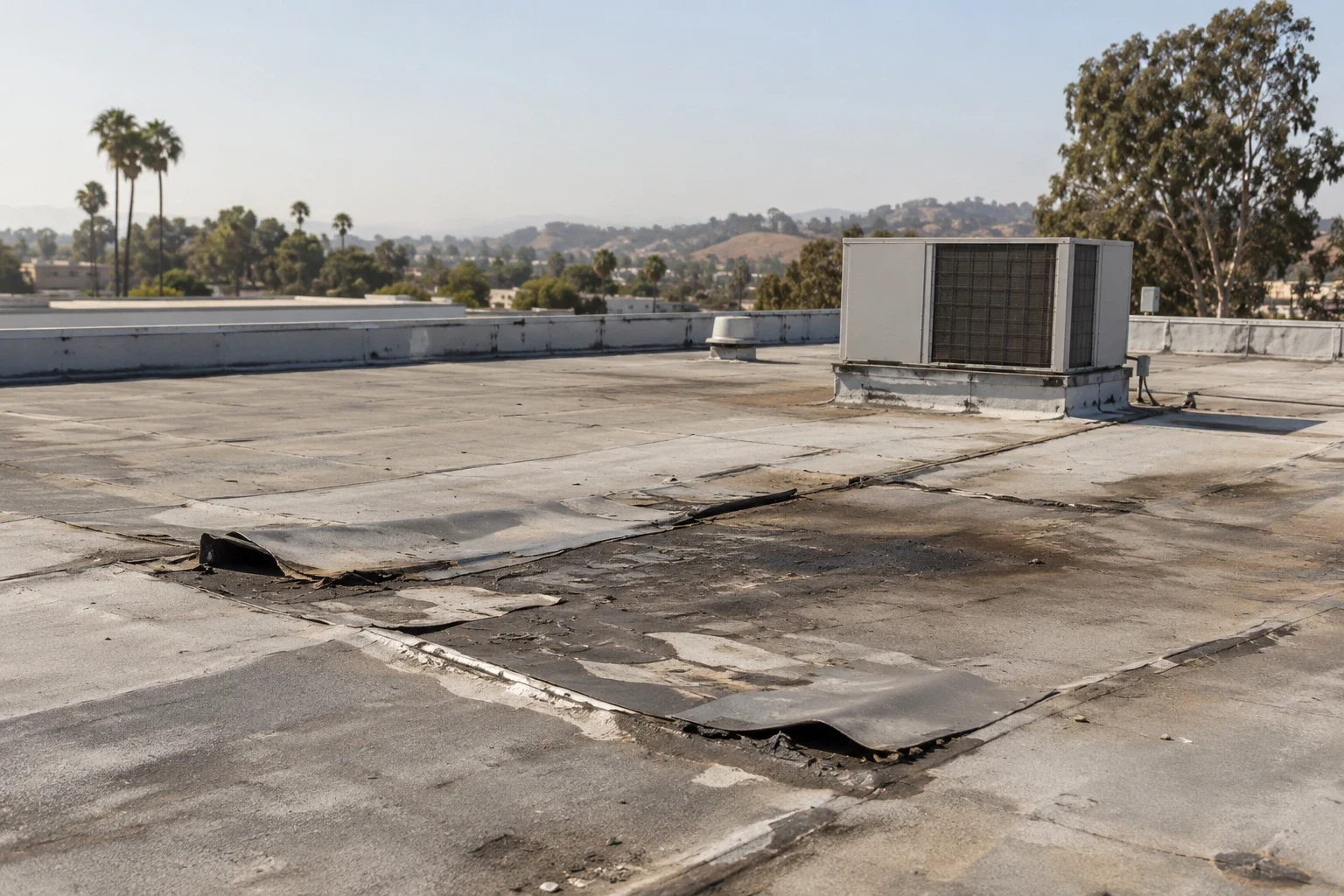
Water can travel within the roof assembly before showing inside. We review the reported timing and accessible construction to identify possible paths and the confirmation needed for the assigned source. A visible surface gap may be relevant without describing the entire repair. Ask for the investigation boundary and remaining questions before permanent quantities are approved. Facilities can arrange roof and interior releases together while retaining the unanswered connection or supporting-layer question before permanent work is priced.
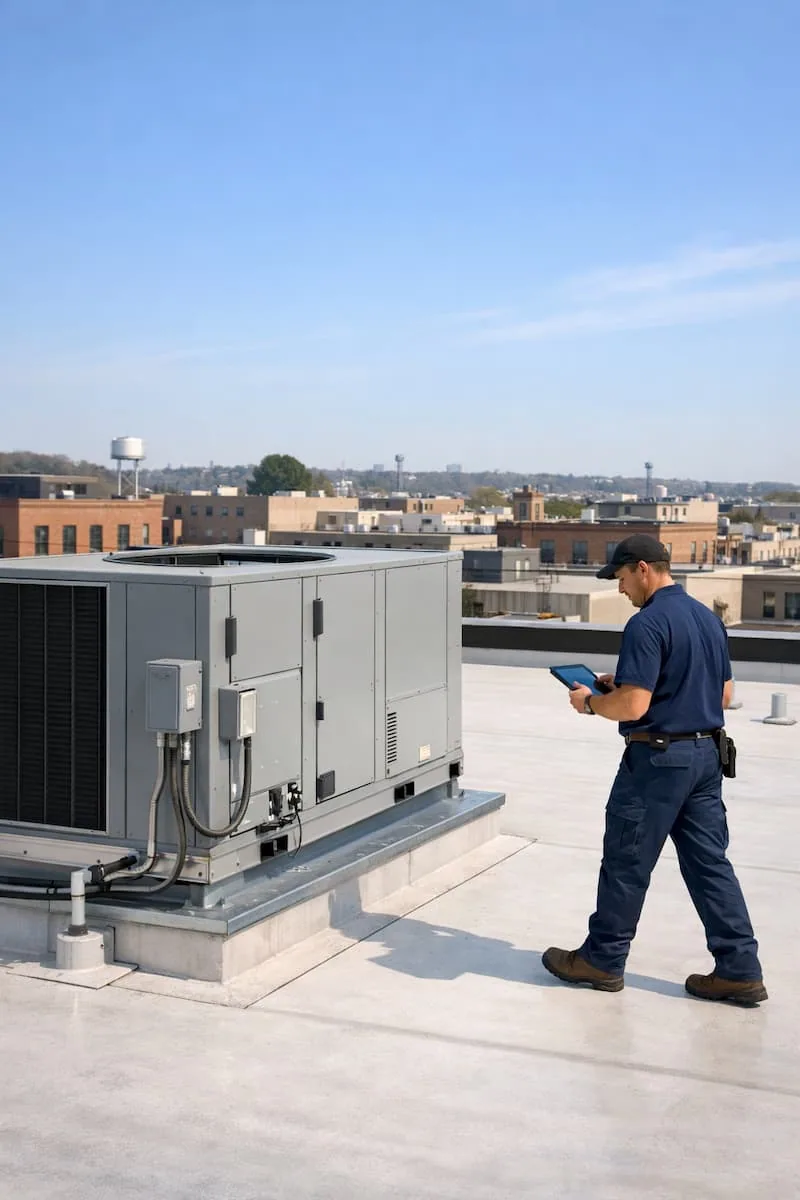
Equipment can introduce another check where roofing and mechanical water paths overlap. We identify roof interfaces and flag relevant mechanical review instead of assuming the membrane caused every symptom near a unit. Include operating information and available maintenance records with the request. The permanent scope can then follow the source and actual construction confirmed. A defined connection repair should identify compatible materials and preparation, while any additional trade task is assigned before a roof opening becomes a permanent installation commitment.
Confirm the supporting moisture extent
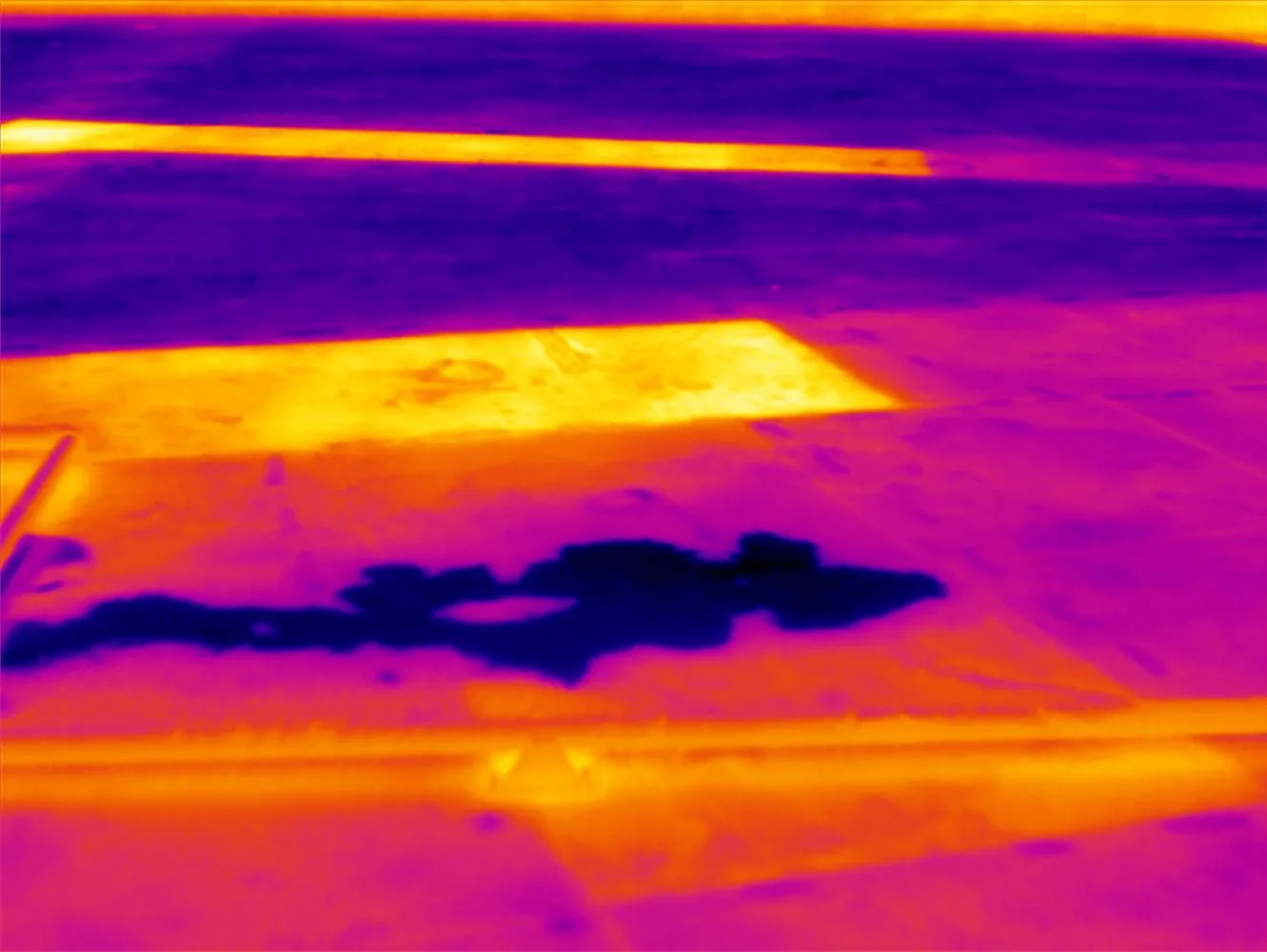
A leak source and wet-material boundary are related but different decisions. We describe suitable investigation and distinguish suspected locations from established supporting condition. An infrared moisture-survey assignment can guide relevant follow-up confirmation when conditions support the method. Facilities should arrange those checks before retained or removed quantities become final. An indication helps direct examination but does not by itself establish every wet layer or the complete permanent repair boundary, and a new upper patch cannot remove moisture remaining below it.
Confirmed supporting removal adds disposal, new layers and transitions into retained areas. We identify those tasks beside the source connection so the repair reaches the agreed permanent endpoint. Request an approval method for extensions exposed during opening, with daily closure preserved. Facilities can review changed work against defined construction rather than a vague addition to the sheet quantity. This keeps source repair separate from supporting reconstruction while ensuring both are coordinated before the upper connection is permanently joined over material whose suitability remains unresolved.
Choose the repair from the existing assembly
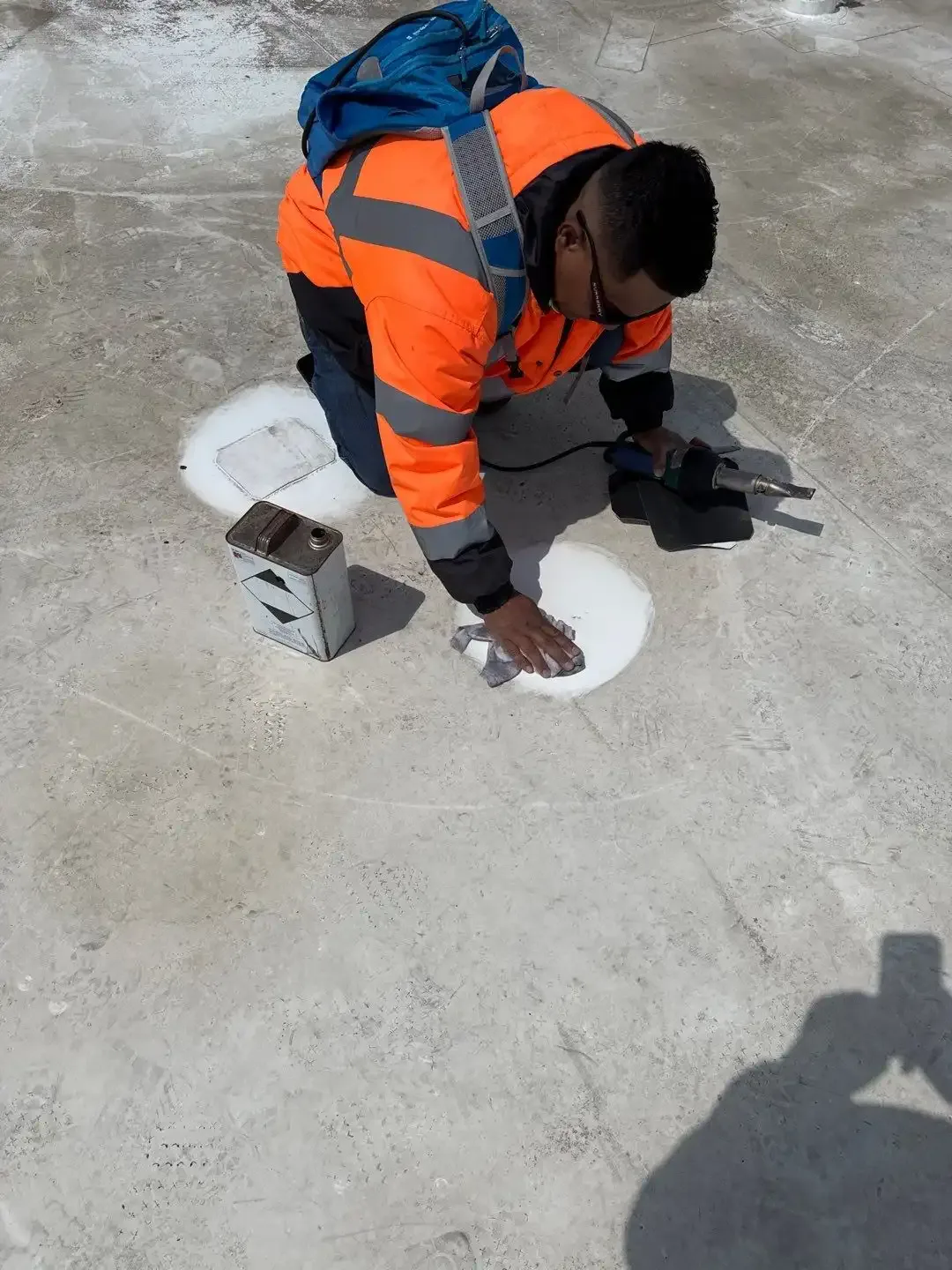
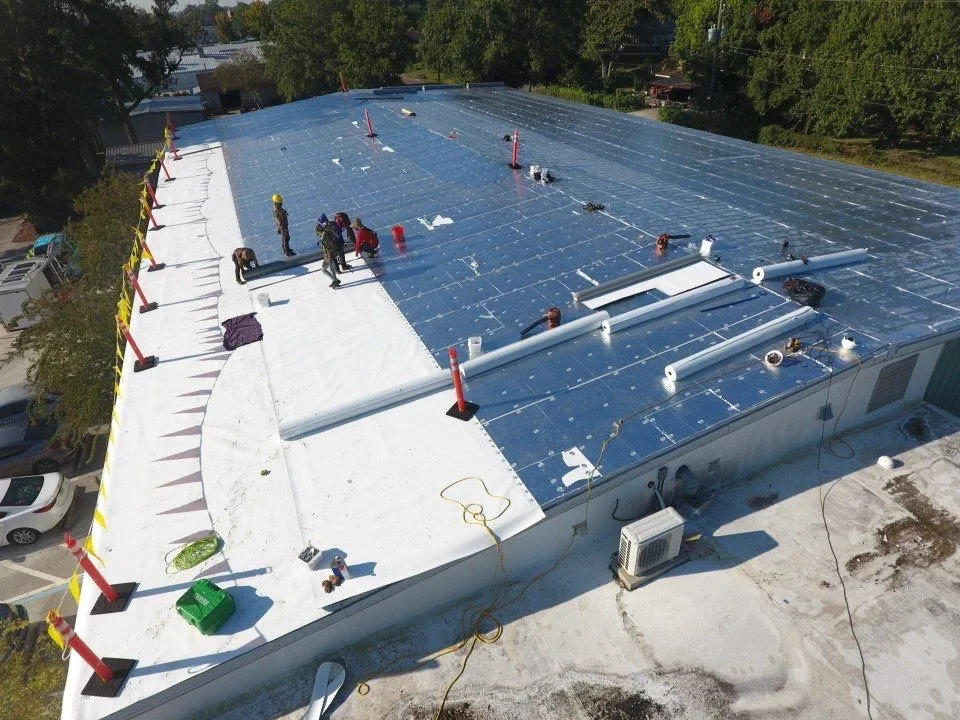
A TPO leak-repair detail needs the actual material and compatible connection requirements established for the roof. We compare records with exposed sheet condition and assess earlier patches before selecting the proposed tie-in. Share material information early enough to resolve preparation before procurement.
A broad membrane-family label cannot establish every patch or accessory. The installed scope should show joining, supporting preparation and the permanent boundary, rather than only a new-sheet allowance over construction still awaiting material identification.
A PVC source-repair option has its own compatible materials and supporting approach. We identify the actual roof present instead of treating all thermoplastic sheets as interchangeable repair surfaces. Where wider replacement is offered, submit the complete section and permanent interfaces for relevant review. Facilities can then compare the construction endpoints with differences in preparation and labor clear. Similar exposed areas do not establish equivalent joining tasks, so the selected option should preserve source confirmation and supporting findings rather than replace them with a family description.
Release the investigation and permanent phase
Occupied areas may permit observation before removal or joining work. We discuss the actual building releases and describe protection with the daily opening and closure proposed. Share your calendar, keys and escorts arrangements and equipment dependencies before the permanent phase is committed. A useful sequence separates source investigation from ready installation while preserving responsibility for protected areas. Facilities can coordinate roof and interior work around their actual tasks instead of a single visit date being treated as permission to investigate, open and permanently complete every affected zone at once.
Municipal work needs its own operator limits. For a municipal roofing assignment in central Concord, identify the subject structure and its authorized access requirements before planning the work. A proposed roof task in Concord’s downtown area should carry the assigned building’s observation and access releases beside its symptoms. We price setup for that actual structure. Consistent repair expectations can organize facilities requests across buildings, while source findings and permitted periods remain attached to each roof. That keeps another property’s diagnosis or material route from being used as an assumed basis for the next assignment.
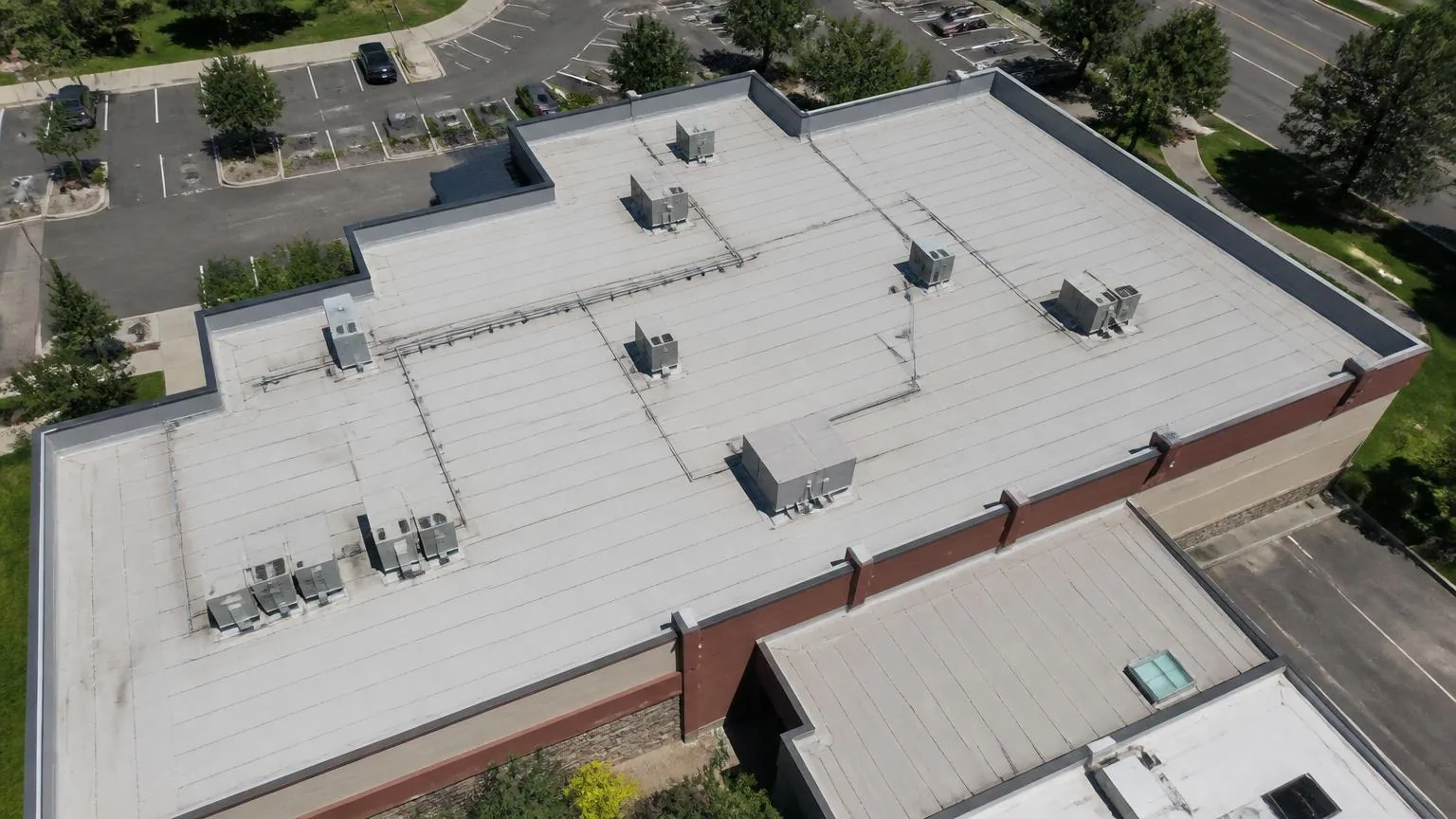
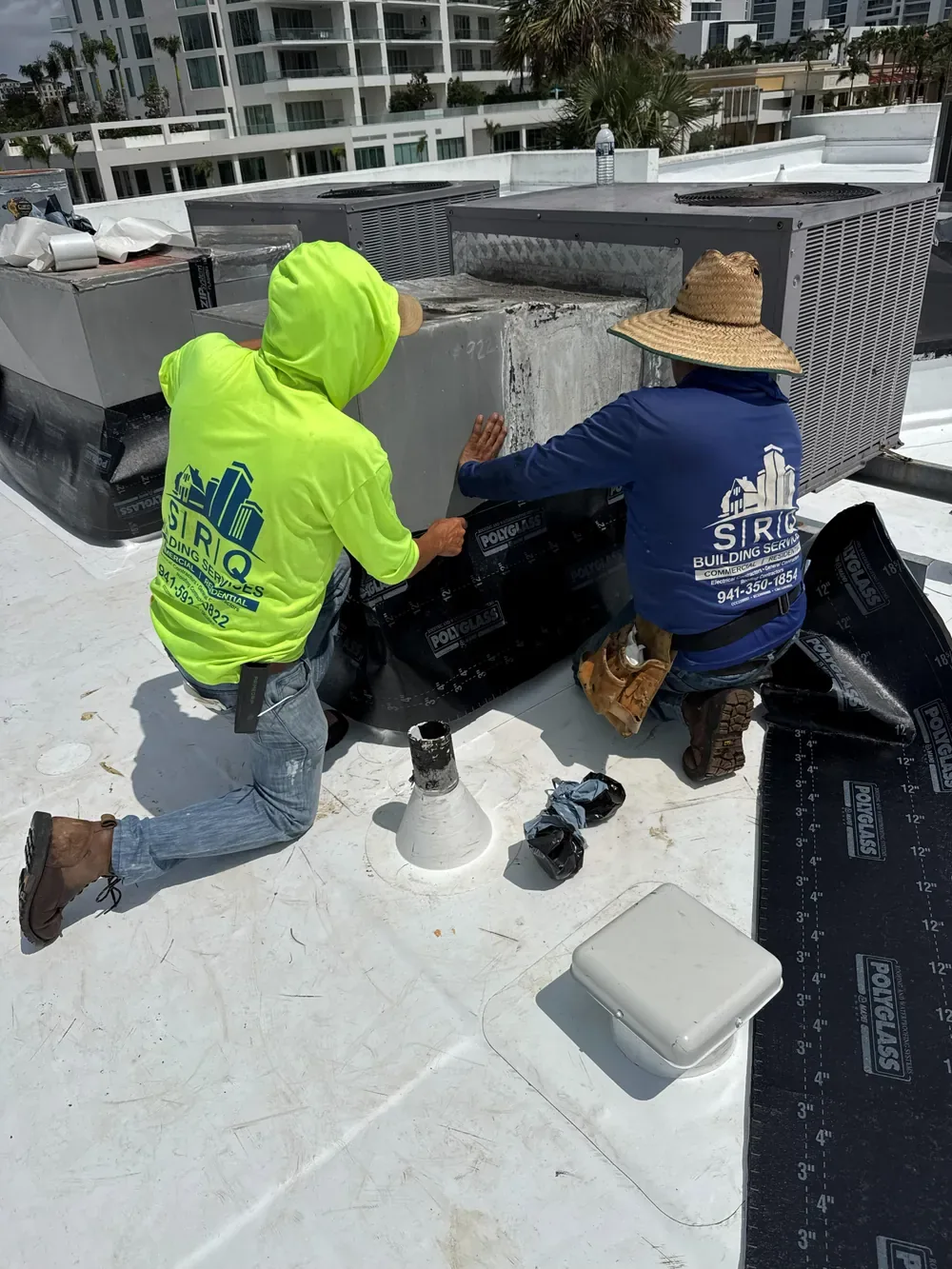
Hand back the repaired area clearly
Current conditions must suit the permanent materials before application. We assess the supporting surface and selected connection requirements rather than treat source identification as readiness for every joining task. Preparation, material supply and operator releases may need separate coordination after investigation. Put those dependencies in the day plan with tasks that can proceed. Facilities can then schedule the permanent phase from the actual construction available, keeping unresolved surfaces or blocked interfaces visible instead of promising immediate completion simply because the symptom or likely water path has been identified.
The repair record should connect confirmed findings with completed locations and installed construction. We identify remaining concerns separately so the maintenance log distinguishes assigned repairs from the broader deferred list. Applicable warranty terms require their own document review before alterations, without an assumed coverage outcome from the membrane label. Interior restoration should follow the relevant permanent connection and agreed project checks. This gives facilities a specific handoff and avoids treating a roof observation or temporary protection task as completion of every supporting repair, equipment responsibility and record requirement.
Trace the water route before opening the roof. An interior stain locates where water appeared, not necessarily where it entered. Compare the room report with roof penetrations, seams, drains, wall transitions and any plumbing or equipment discharge that could follow a concealed path. Record the conditions at the suspected detail and inspect nearby comparisons before choosing a repair area. Around Downtown Concord and Walnut Creek, buildings may have different ceiling assemblies and service routes, so the interior contact's observations matter alongside roof access. If a test opening is needed, identify its closure and the person who approves it. The resulting scope should separate the confirmed leak correction from further investigation, allowing facilities to protect the room without treating an unverified origin as a completed permanent repair.
Commercial Roofing Questions
What information helps investigate a leak?
Share the interior location, timing, operating conditions and available roof records. We compare those symptoms with accessible connections before defining the permanent repair.
Does the ceiling mark identify the roof opening?
Trace the relevant source. Water can travel before appearing inside, so the visible symptom alone should not establish the exact patch or supporting boundary.
What can a moisture survey establish?
Use suitable indications to guide confirmation. Distinguish suspected areas from established wet layers before removal or retained construction is committed.
What should happen after the source is identified?
Resolve compatible materials, supporting preparation and operator or trade releases. Source findings guide the repair but do not make every permanent connection ready by themselves.
When should interior restoration begin?
Coordinate it after the relevant permanent repair and agreed checks. Keep outstanding equipment interfaces and unresolved roof concerns separate from the completed assignment.