
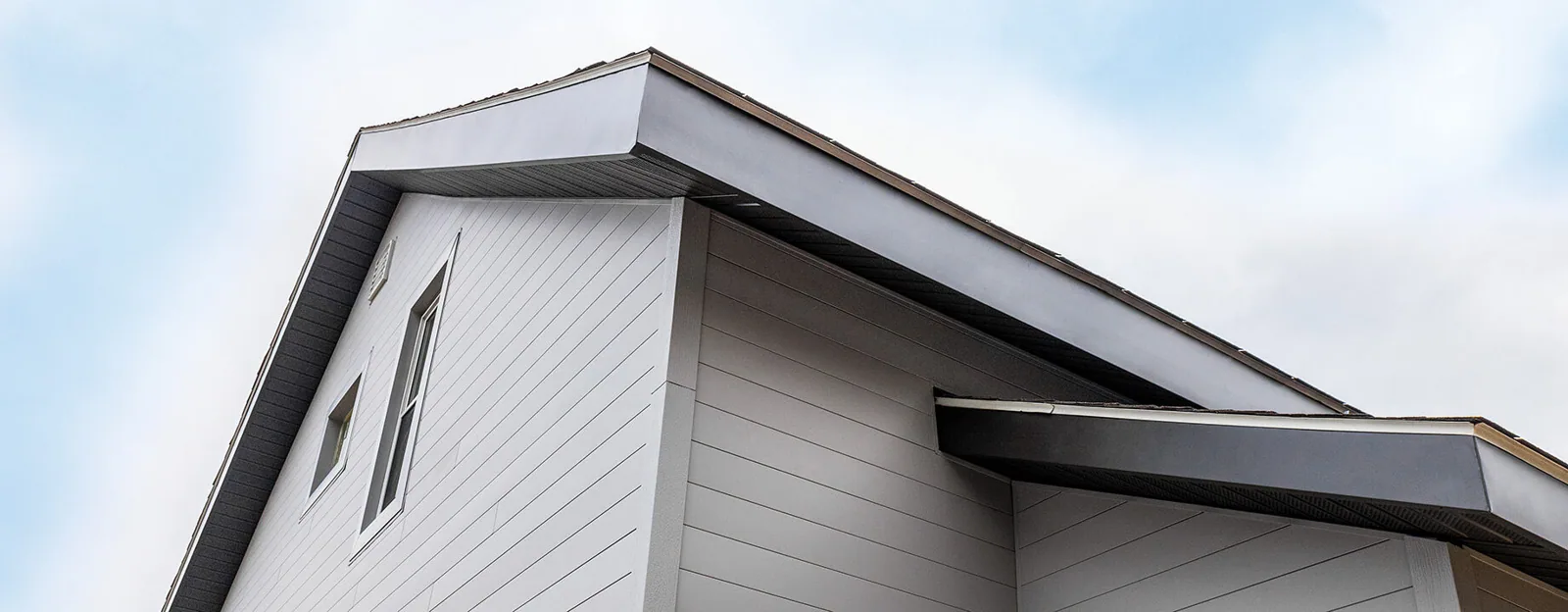
Edge Metal, Coping and Gutters in Concord, CA
An office roof perimeter leaves the facility director responsible for protecting entrances and rooms while perimeter roofing work is defined. Edge metal, coping and gutter work in Concord, CA, starts with the actual supporting connection and the building’s permitted access. We assess accessible attachment and adjoining construction before pricing removal and permanent closure. Share the roof section, reported locations and material route with the work request. Facilities can compare a complete perimeter endpoint rather than a visible metal length whose backing, wall responsibilities and tie-in work remain outside the allowance.
For a municipal roofing assignment in central Concord, identify the subject structure and its authorized access requirements before planning the task.
Identify the complete perimeter connection
Metal components depend on their supporting attachment and relationship to the roof membrane.
Who releases the wall connection?
We compare accessible construction with the proposed detail and describe backing or preparation needed for the permanent endpoint. Ask for those tasks beside the measured length before price comparison. Facilities can then distinguish full connection reconstruction from installation of only the visible component. A useful request identifies removal, supporting material and tie-in work, with concealed condition questions retained where access does not establish the complete assembly beneath the existing perimeter.
Where damage involves roof-side flashing, a defined permanent flashing task should describe its actual interface. We identify adjoining wall or equipment responsibilities rather than expect broad metal language to assign every trade’s construction. Bring the relevant detail drawing before procurement. Facilities can coordinate required releases ahead of opening and preserve closure if tasks occur separately. The perimeter quantity then describes a finished connection with its supporting work, instead of a new component being treated as completion of every concealed or adjacent interface around it.
Assess backing and adjoining condition
Concealed deterioration may change supporting quantities once the edge is opened. We distinguish visible findings from further confirmation needed and describe the proposed basis for measuring extensions. Request that approval method during pricing so changed backing or removal stays reviewable. Facilities can compare known work against the permanent endpoint while retaining uncertainty explicitly. New metal cannot establish the suitability of every concealed attachment beneath it, and an unchanged perimeter length does not prove preparation or supporting replacement will be identical at all assigned connections.
If water symptoms are reported at the perimeter, an edge-source leak assessment needs the relevant roof and wall checks established. We compare accessible observations with interior timing rather than patch only at the ceiling mark. The permanent task should follow the actual source and construction confirmed. Facilities can arrange appropriate roof and interior releases before repair quantities are committed, keeping a visible opening distinct from a broad conclusion about the entire water path or every supporting layer that may require attention beneath the connection.
Compare the new roof section with existing elevations
A TPO perimeter assembly needs actual attachment, supporting layers and compatible joining materials reviewed at the edge.
We compare accessible wall and curb relationships with the proposed section before detail reconstruction is priced. Added roof thickness can change permanent connections despite the same field outline. Bring those interface drawings into relevant project review before procurement. Facilities can then compare an installed endpoint with supporting tasks clear rather than an inexpensive membrane or metal component leaving elevation changes unresolved until installation begins.
An EPDM edge construction option should carry its own complete detail requirements while preserving the agreed perimeter endpoint. We identify changed preparation and joining work separately from material cost. Submit the actual alternative for applicable acceptance before ordering. Similar lengths do not make components or repair materials interchangeable across different assemblies. The useful comparison shows supporting construction, permanent wall interfaces and closure together so facilities can select a finished scope without assuming a family name establishes every attachment and adjoining-trade responsibility.
Plan the opening and wall-trade releases
Perimeter work needs a boundary that can be prepared and closed during the permitted period. We describe roof exposure and relevant protection for entrances or occupied areas below. Share the operator’s actual limits and adjoining-trade tasks before committing the phase. Facilities can assign wall finish or equipment releases ahead of permanent roofing, with closure between separate periods defined. Field work elsewhere may be completed while a blocked interface waits, but its permanent endpoint should remain on the calendar rather than be released from a broad statement that all roof material is installed.
For a healthcare roofing assignment in Concord, identify the subject building and operator's access requirements before planning the task.
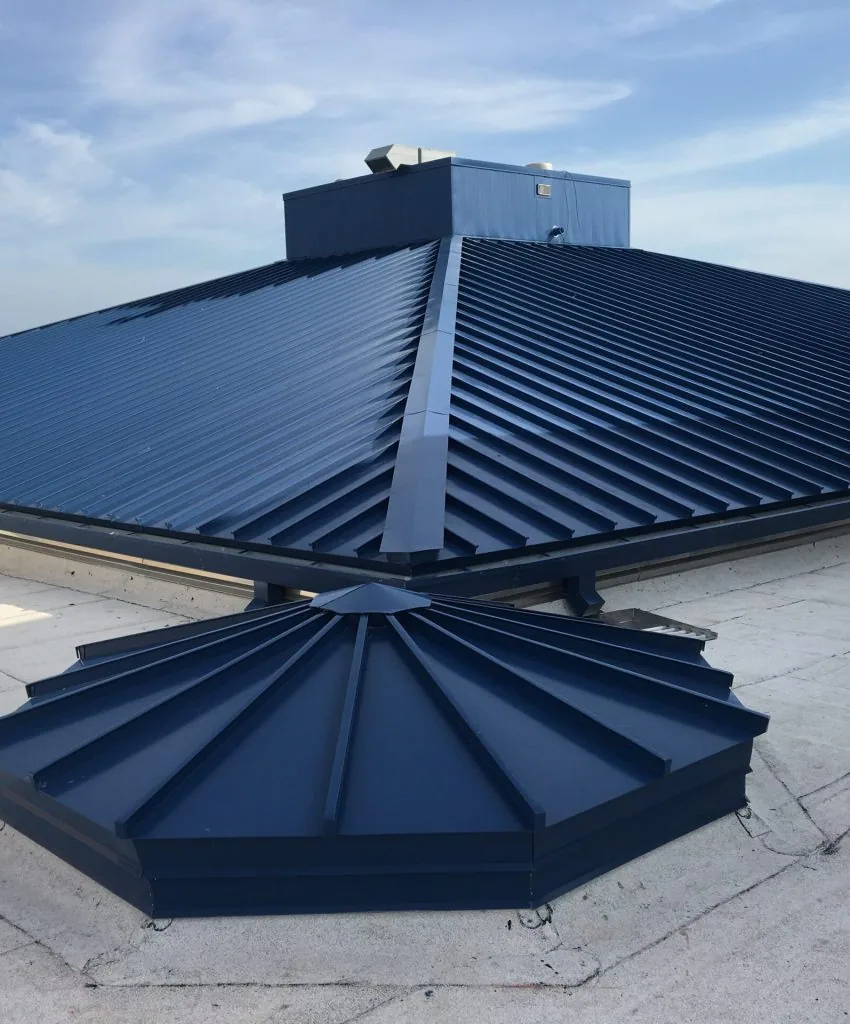
Hand back the completed perimeter clearly
Current conditions must suit the selected permanent joining materials before the roof connection is finished. We assess the supporting surface and intended detail rather than treat visible metal placement as readiness of the whole interface. The day plan should distinguish preparation and adjoining-trade tasks from connection work that remains blocked or unsuitable. Facilities can then coordinate actual ready construction with the operator’s released period. A delivered component or available crew cannot establish every backing, compatible material and permanent wall endpoint required for the perimeter task.
Final records should identify installed edge construction, gutter tasks and permanent interfaces completed. We distinguish unresolved backing or wall concerns from the assigned scope and discuss agreed project checks before pricing. Review the actual warranty documents for alteration and notice requirements before changing the perimeter. A roof family does not establish the resulting coverage decision. Facilities can release adjacent finishes after the relevant permanent connection and review. That handoff explains actual completion rather than treating the last visible metal piece as proof that every roof tie-in, supporting task or required record around the perimeter has been resolved.
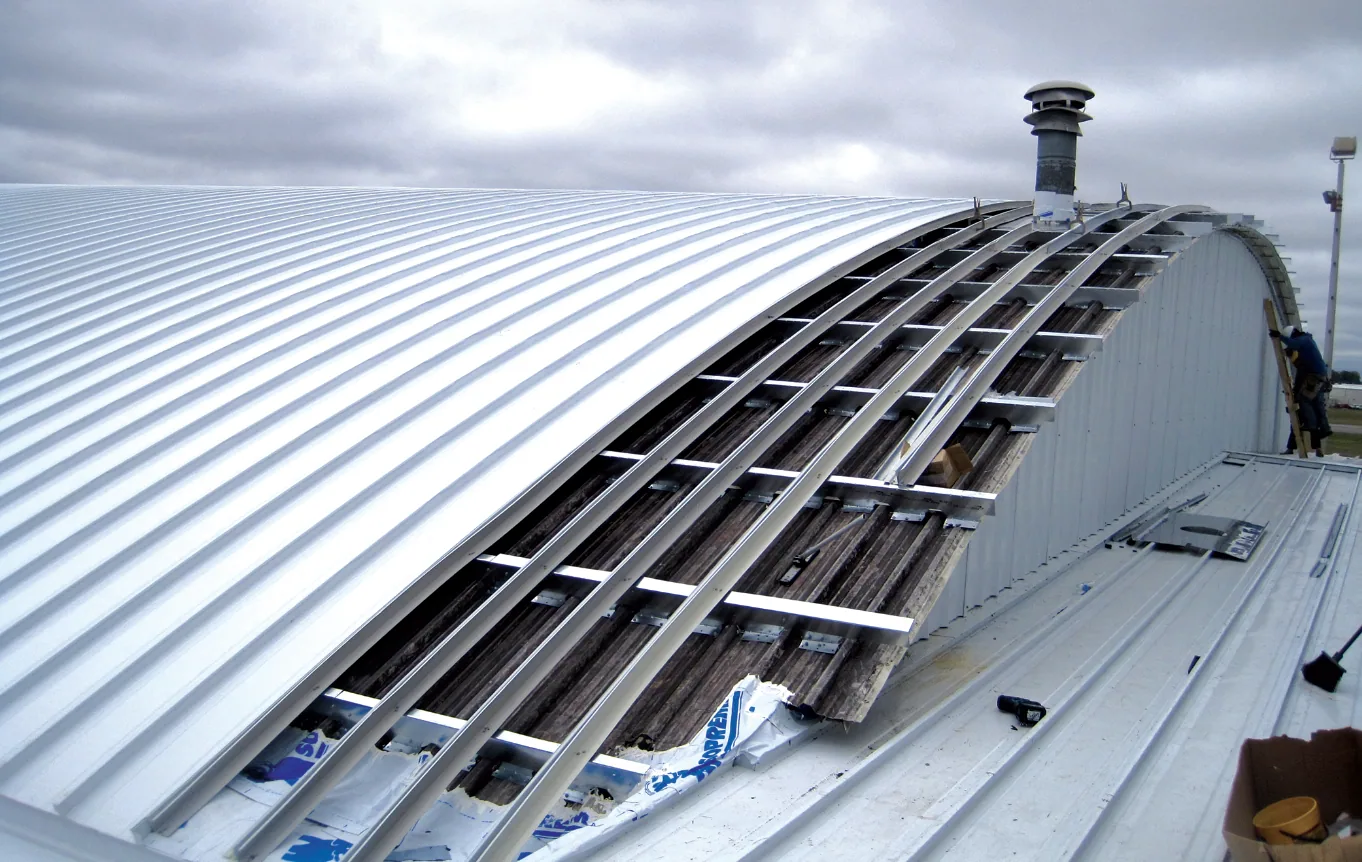
Verify attachment at the perimeter before re-covering. Perimeter metal connects roof membrane, fascia, coping and wall conditions that may move or corrode differently. Identify the substrate, cleat or fastener arrangement, splice, corner and termination before deciding whether to reseal or replace. A bead over loose metal does not restore an attachment that has separated. Check the adjacent roof edge for uplift or water entry and state which backing or carpentry corrections are outside the roofing scope. Diablo wind events make edge condition relevant around Concord, but project design and the actual building govern the repair. A detail drawing and measured replacement length help the owner compare local correction with a larger edge phase and confirm the finished transition during closeout.
Follow the perimeter connection into its backing. Edge metal, coping and gutters meet the roof at points where attachment, backing and water flow work together. Before resealing, identify how the metal is secured, whether the substrate is sound and how the membrane terminates behind the exposed edge. A loose cleat, corroded fastener or saturated nailer may require correction before the new detail can hold. For assignments in Concord Business Park and Mount Diablo Industrial Park, mark corners, splices and wall transitions on the scope so installation quantities cover the full weather boundary. Where wind has displaced metal, inspect the adjacent field and document what remains attached. This gives the property team a choice between a short sealant task and a defined perimeter reconstruction, with backing carpentry or drainage work assigned to the responsible trade.
Commercial Roofing Questions
What makes a perimeter length useful to price?
State the complete detail, supporting attachment and permanent roof tie-in. Similar lengths can carry different preparation or backing work at their actual connections.
How should concealed backing changes be handled?
Agree on measurement and approval before opening. Keep removal, replacement and closure tied to the permanent construction endpoint rather than an unspecified component addition.
Can new roof thickness affect perimeter work?
Compare the selected section with actual elevations and interfaces. Added layers may require detail reconstruction even when the field outline stays the same.
What should wall-trade responsibilities identify?
Define the adjoining task and the roofing connection it releases. Preserve exposure and closure responsibility where the work occurs in separate periods.
When can adjacent finishes proceed?
Use the completed permanent interface and agreed project review. Visible metal placement alone should not release unfinished backing, wall or roofing connections.