Multi-Site Commercial Roof Programs in Concord, CA
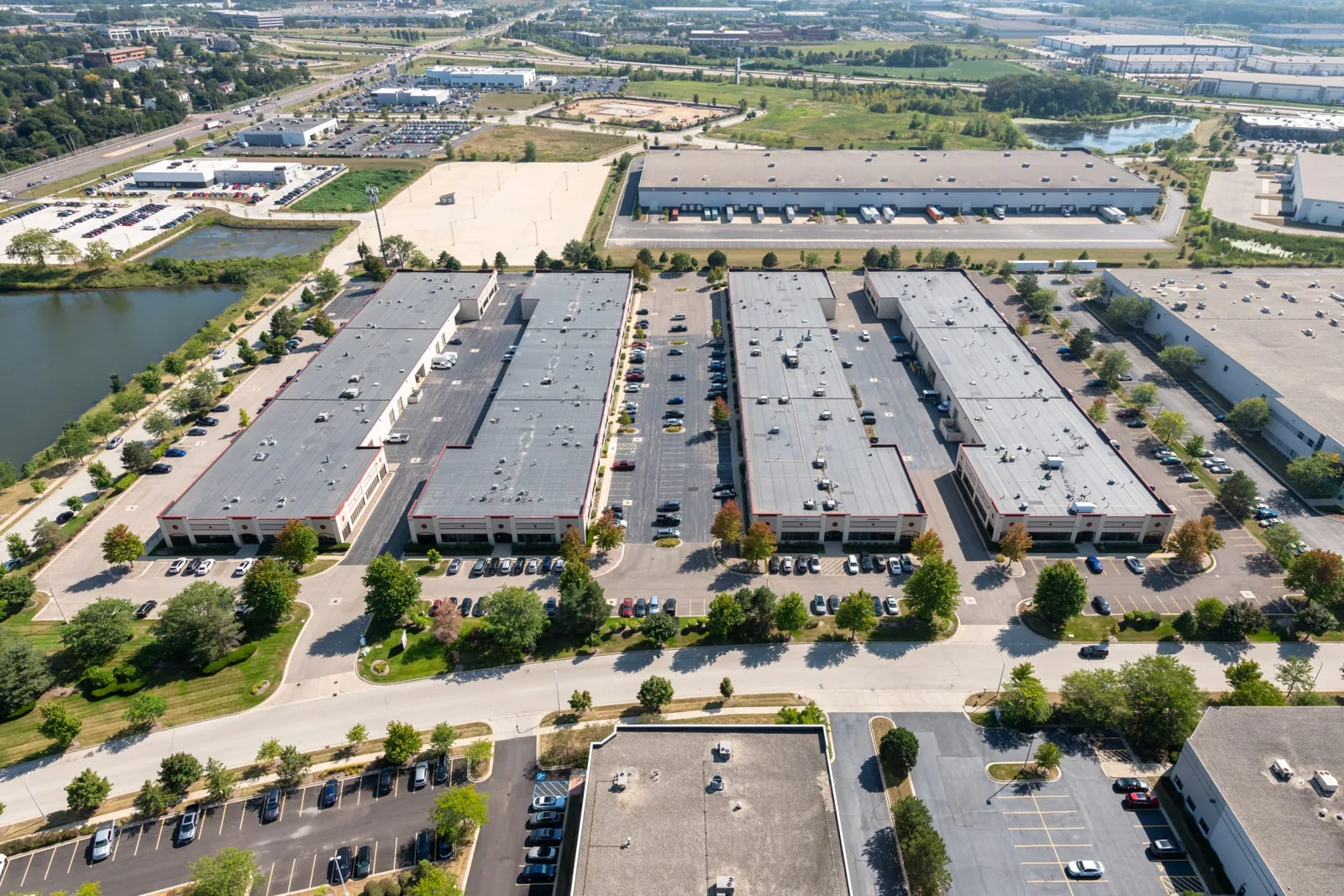
A facilities team handling office and retail roof tasks needs each building's operating release preserved when the jobs enter a shared calendar. We coordinate multi-site commercial roof programs in Concord, CA, with individual condition findings, material requirements and completed boundaries retained for each assignment. A common budget year can help order decisions. It should still leave the facility director able to identify the specific roof, the task ready for approval and the unresolved question affecting the next work request.
For a municipal roofing assignment in central Concord, identify the subject structure and its authorized access requirements before planning the task.
Identify the roof before combining the schedule
A roof photograph and repair history need the building identification and usable location retained together. We examine each assigned roof and state what was observed, what remains concealed and which preparation the proposed correction requires. A finding from one address should not become a retention decision for another assembly. The program record should preserve those limits so the facility team can issue work requests from the actual roof evidence.
Building-specific condition findings distinguish immediate defects from an investigation or broader option. We identify the action each finding supports and the release it needs. A shared list becomes practical when each item can be traced to an examined detail. The facility director can then prioritize a task while preserving the individual assembly or operating requirement that determines how the correction can be completed.
Place repairs and capital choices on their own tracks
An active leak may need a limited protection task while a separate roof option awaits board approval. We assess the accessible defect and describe feasible work within the authorization available. The program should retain that immediate purpose and any further examination needed for a permanent correction. A larger capital decision can proceed separately, with its own preparation, procurement and building release left visible.
Capital decisions drawn from individual roof findings need complete options and supporting tasks identified. We explain where retention, removal or a changed detail affects the selected scope. The facility team can coordinate approval dates while keeping each roof's unanswered quantity separate. One project's settled assembly should not become a construction commitment for another building whose supporting condition remains under investigation.
Share suitable procurement without merging assemblies
Related properties may use similar covering families while their detail materials or preparation differ. We identify the actual assembly and receiving condition for each assigned task before discussing coordinated procurement. Earlier patches, coatings or equipment alterations can change a connection. The facility record should retain those differences so a shared material order does not erase a building-specific preparation or review decision.
A recover option at an examined property needs its own supporting suitability established. Another assignment may require removal even where the same upper covering is proposed. We describe those tasks separately, including connections to retained construction and altered heights where relevant. That allows suitable procurement to be coordinated while the facility director keeps the preparation and permanent endpoint attached to the roof receiving the work.
Carry the actual building use into every release
A retail location can need customer passages and receiving access maintained during a roof task. Sunvalley Shopping Center's approach routes include I-680 and Willow Pass Road. For proposed work at retail premises nearby, the assigned contact should identify the material route and affected entrance before the roof opening is scheduled. We describe the preparation and suitable closure so the operator can establish its actual release instructions.
Roof replacement above an operating building needs its removed area fitted to that release. A civic or medical assignment elsewhere needs its own instructions, even where tasks share a calendar. We retain the affected space, equipment dependency and feasible daily endpoint with each work request. The facility team can then coordinate ready tasks without assuming one available work period settles every property's access or supporting-trade decision.
Keep the purpose of each examination visible
A concealed-condition question can justify investigation before a program quantity is fixed. We identify what the proposed examination must establish and the closure needed for an authorized opening. The assigned facility contact arranges the affected-space release. Keep that task separate from the permanent removal allowance until its findings provide a useful boundary, so the program's larger scope does not conceal an unresolved supporting decision.
Which roof decision would change from that result?
We retain the answer with the building identification. An examination that informs one recover option may not settle another building's attachment or receiving material. Related visits can be coordinated where access permits, but their observations and limitations remain distinct. That gives the facility team a practical basis to approve the next task without treating a combined visit schedule as a shared condition conclusion.
Return each completed task to its own record
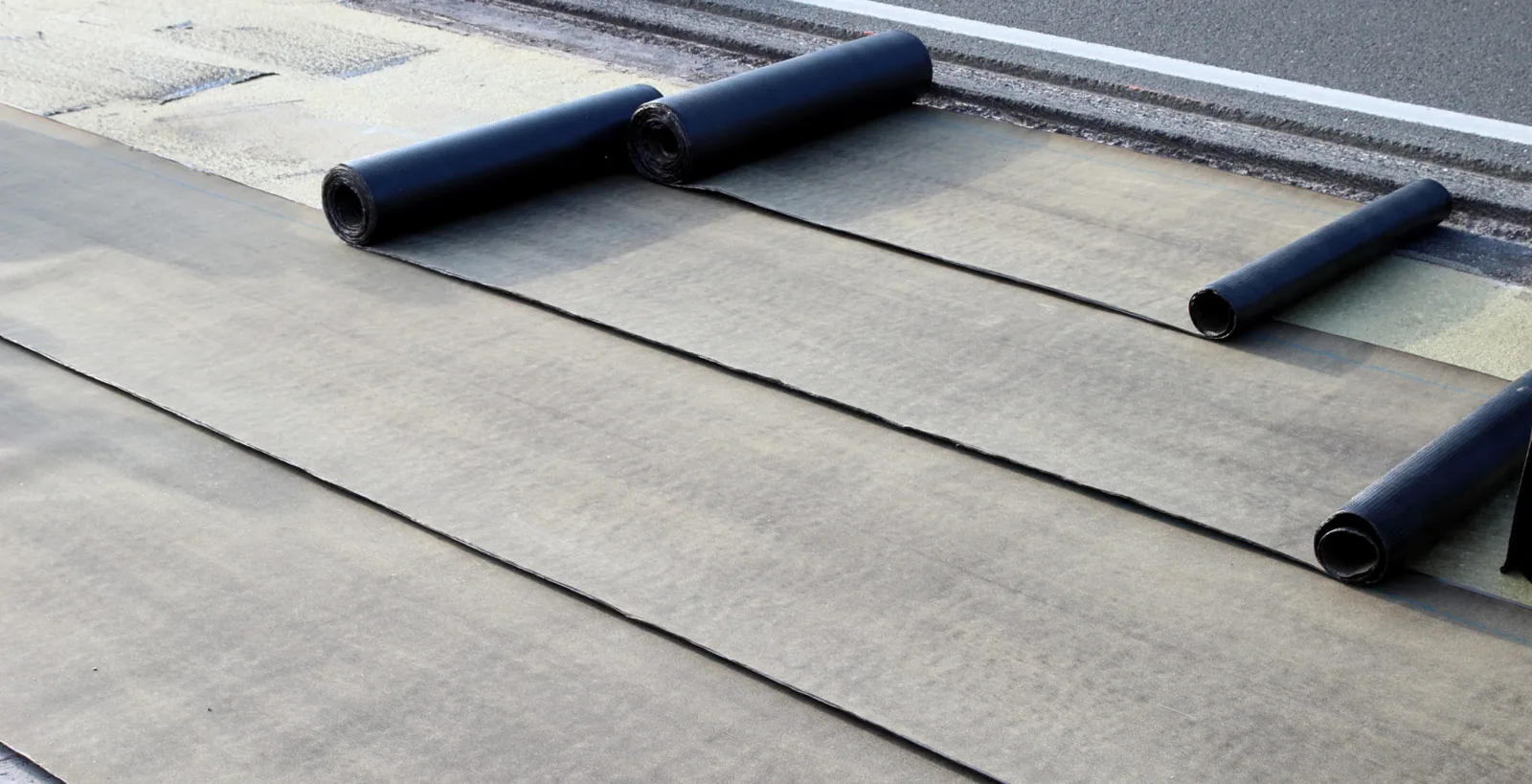
A proposed task near the Fairfield shopping area needs its specific property and operator release retained. For an identified PVC roofing assembly, we record the compatible preparation and completed connection with that building's work. The maintenance log should distinguish permanent corrections from deferred supporting items. This lets the next service request begin with a usable completed boundary and current concern.
Emergency calls are available on holidays, at night and during weekends where active entry requires an earlier feasible protection task. We identify the location and holding purpose separately from the permanent work that remains. At program handover, each building receives its completed roof locations, relevant material information and remaining decisions. The facility team can coordinate the next PM schedule from those individual records, keeping procurement, operating and authorization dependencies visible until the affected task is ready.
Use shared standards while retaining local decisions. A multi-site program works best when every building uses the same roof-zone naming, observation fields, repair status and closeout records. The program manager can compare urgency and procurement needs, while each facility director confirms access, interior protection and authorized work for the specific property. Keep local quantities separate when assemblies or supporting conditions differ. A regional group may include Concord Business Park properties and buildings near Walnut Creek, but a common map or budget line does not establish identical construction. Set one review cadence and a decision owner, then retain the evidence behind each site's next step. This structure helps facilities coordinate contractors and approvals without turning a shared process into an assumption that every roof can use the same repair detail or replacement year.
Give each building a comparable record without merging its scope. A multi-site roof program can standardize building IDs, roof-zone labels, condition fields, repair status and closeout records. The facilities team can then sort urgent protection, planned investigation and budget-year candidates in one review. Keep local quantities, operating restrictions and system details attached to each property because common reporting does not prove common construction. For buildings across Concord Business Park and Downtown Concord, name the person who releases access and the person who accepts completed work at each site. A shared procurement calendar can group related tasks, but every work request needs its own roof plan and authorization. This structure helps management compare decisions while preserving the supporting evidence behind each site's next step and any deferred question.
Commercial Roofing Questions
What should remain separate in a combined roof program?
Keep each building's assembly, findings and operating release identified. We connect the proposed task to its examined location. Shared scheduling should preserve those individual construction decisions.
Can one material order settle every roof option?
Establish each receiving assembly and suitable connection first. We identify building-specific preparation and review tasks. Coordinated procurement can then proceed where the actual material requirements are compatible.
How should an urgent task enter the program?
Identify its feasible holding purpose and authorized boundary. We retain the permanent decision still pending. The facility team can coordinate immediate protection separately from broader capital approval.
Does a shared visit establish a common removal quantity?
Retain the individual examination findings and limits. We identify which condition each opening must settle. Removal or retention follows that roof's evidence, not the combined visit date.
What handoff helps the next PM schedule?
Keep completed locations, materials and deferred decisions with each building record. We identify the work delivered and remaining release needed. The next request can then address a specific task.