
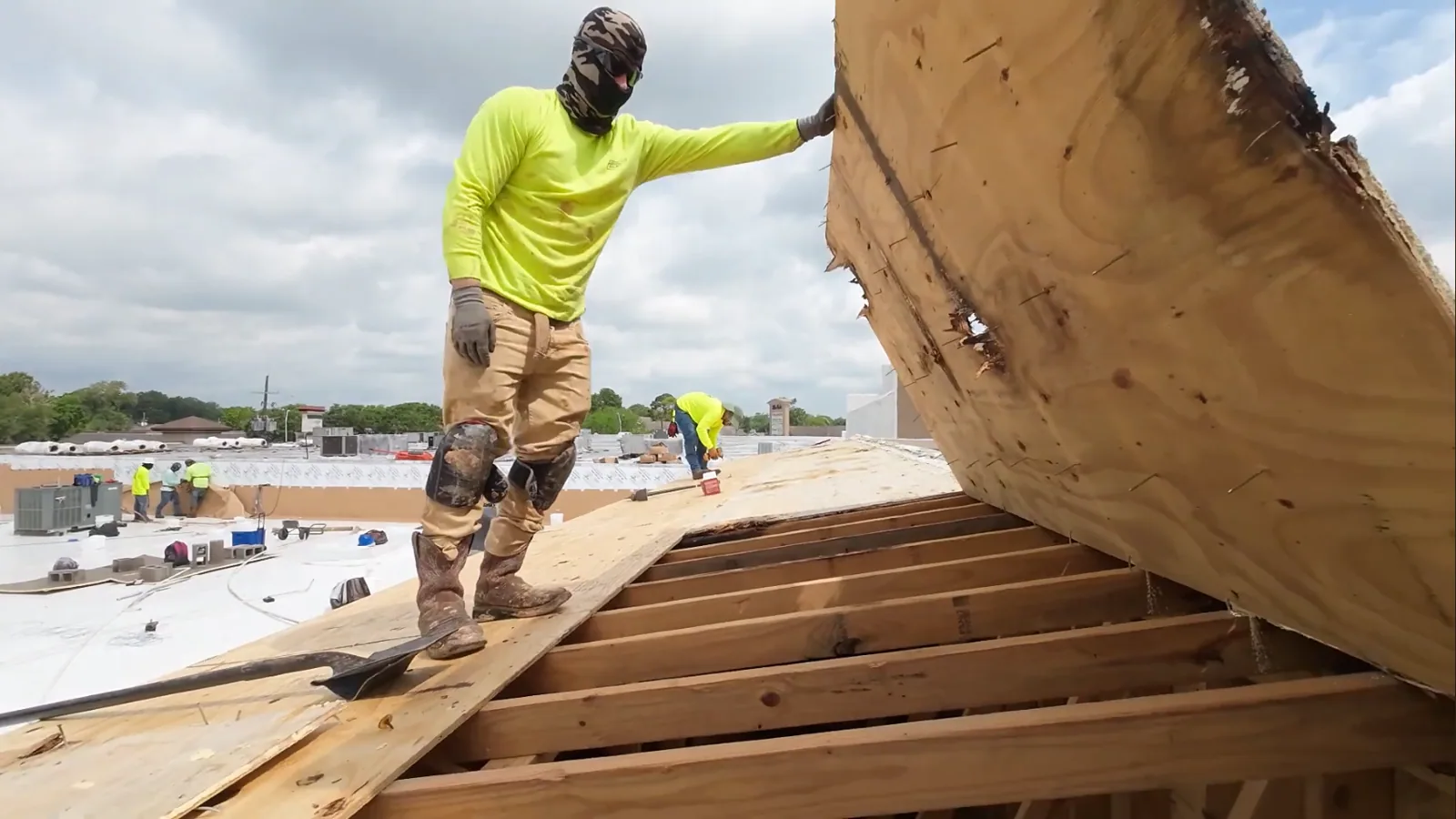
Commercial Roofing for Insurance Restoration in Concord, CA
A commercial-office facility director coordinating a damage review needs the roof findings preserved while immediate protection and permanent construction remain clearly defined. We provide commercial roofing and damage documentation for insurance and restoration assignments in Concord, CA. The roofing task locates observed conditions and identifies repair preparation or further examination. Coverage decisions remain with the responsible insurance review. A useful construction request explains what is affected, what can be assessed and the roof work needed without turning a visible defect into a promise about acceptance.
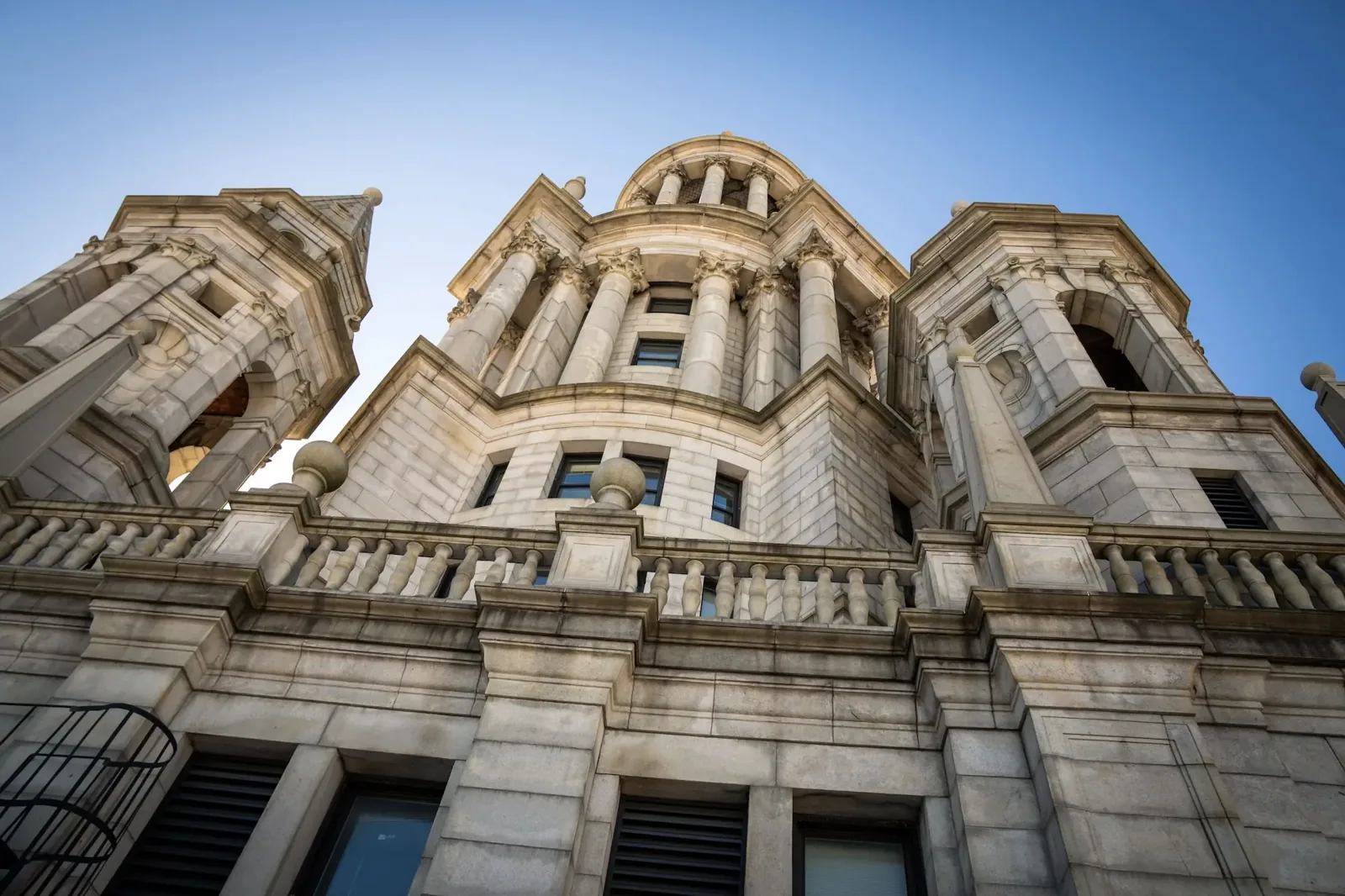
For a municipal roofing assignment in central Concord, identify the subject structure and its authorized access requirements before planning the task.
Separate the observation from the cause question
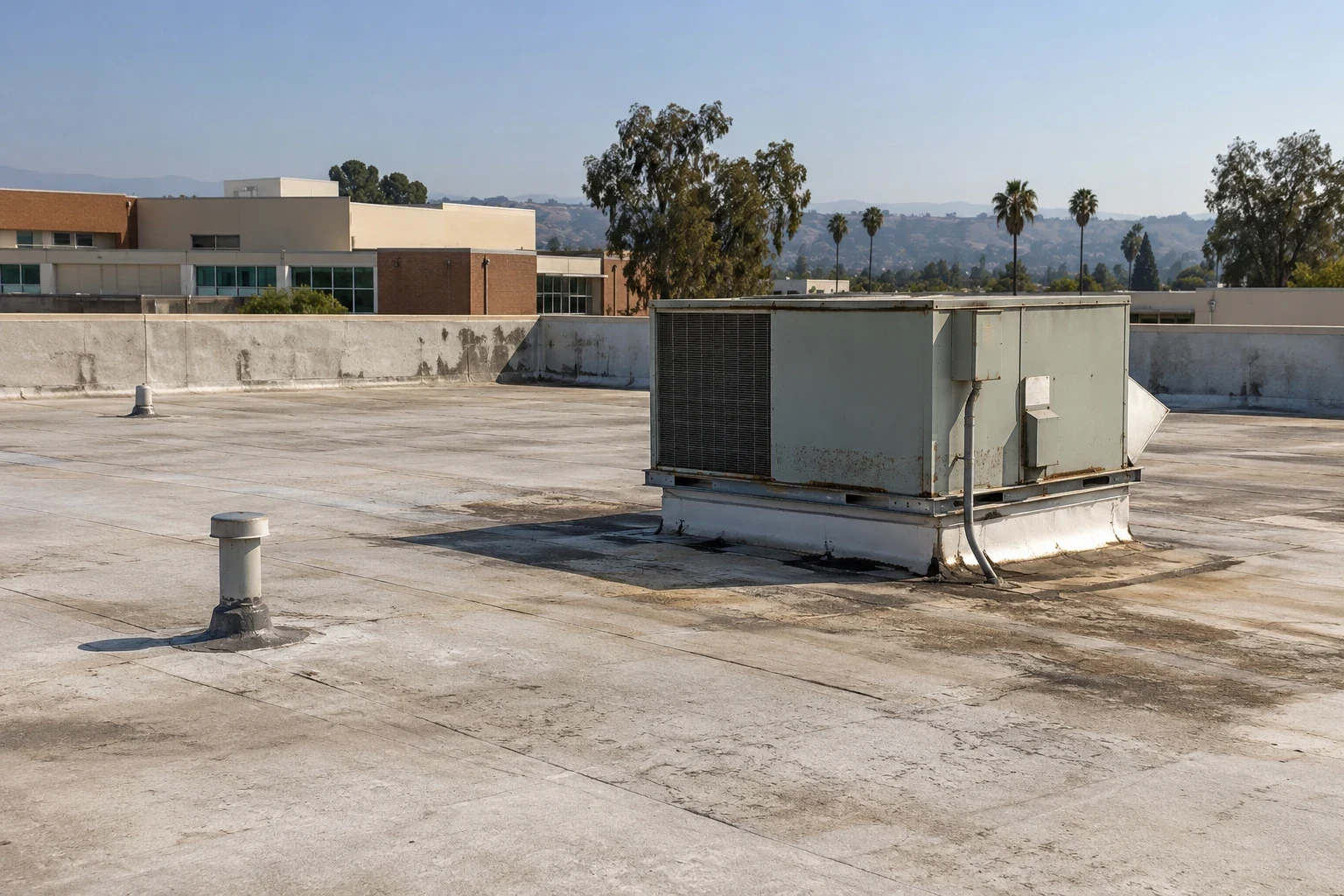
A photograph needs enough surrounding detail to locate the observed condition again. We record accessible displacement, separation or material change and identify examination limits. Event timing can help direct the visit while causation may still need further review. The roofing findings should distinguish what was observed from the inference that remains unsettled. That allows the responsible parties to consider the information while facilities receives a practical next task tied to the actual receiving construction.
Roof findings prepared for the assigned damage review retain condition locations and relevant photographs. We describe proposed construction and supporting questions without determining the coverage outcome. A request for additional examination has its own purpose and access needs. The facility director can arrange that task from the stated question while the permanent roof quantity remains based on material actually assessed for correction.
Locate holding work without obscuring the remaining scope
An exposed area may need feasible temporary exterior protection before a permanent repair is ready. We identify its purpose, location and conditions relevant to the task. Emergency roofing calls can be coordinated during weekends, overnight and across holidays, with practical action discussed through the designated property contact. A holding measure should be recorded separately from permanent construction, preserving the receiving boundary or supporting assessment still needed before final placement.
Temporary roof action at the assigned damage location needs actual access and affected-space coordination. The operator establishes contents protections and any required interior restrictions. We retain observations made during the task and identify work still pending. Facilities can then coordinate the next examination from that account while the wider restoration sequence avoids treating protected material as proof that every concealed condition or permanent detail has been settled.
Keep displaced details tied to their receiving support
An altered edge or separated joint needs its attachment and adjoining construction assessed before a permanent option is defined. We examine accessible material and identify the supporting question that affects repair. Structural design or event-force assessment stays with the appropriate discipline where required. An observed failure can establish a correction location without by itself settling the loading, cause or capacity question. The roofing request should preserve those distinctions beside its proposed preparation.
Repair preparation for displaced roof components includes usable receiving material and the permanent connection relevant to the assignment. We distinguish confirmed work from quantities still requiring access or investigation. A broader option needs its own assessed basis. The facility director can coordinate the supporting decision before material orders, retaining the reason for the proposed boundary instead of accepting a generalized damage allowance as complete construction.
Authorize an opening for a defined examination
Material beneath a damaged covering can change the extent of removal and support work. We identify the useful examination needed and arrange its actual purpose, affected-space release and compatible restoration. Confirmed affected layers remain distinguishable from an unresolved quantity. The record should locate findings when an opening establishes more deterioration, with the reason for wider preparation stated before permanent work expands beyond the initially assessed area.
Roof reconstruction following assessed fire exposure may also depend on building or specialist releases before close examination. We identify the roofing interface and what information remains needed. Surface appearance does not settle every concealed supporting condition. The facility team can arrange the next appropriate task while the permanent roofing recommendation stays tied to suitable receiving construction and the actual decisions available for the assigned area.
What is this opening intended to settle? Keep that purpose with the examination request.
Describe the actual repair without promising the review outcome
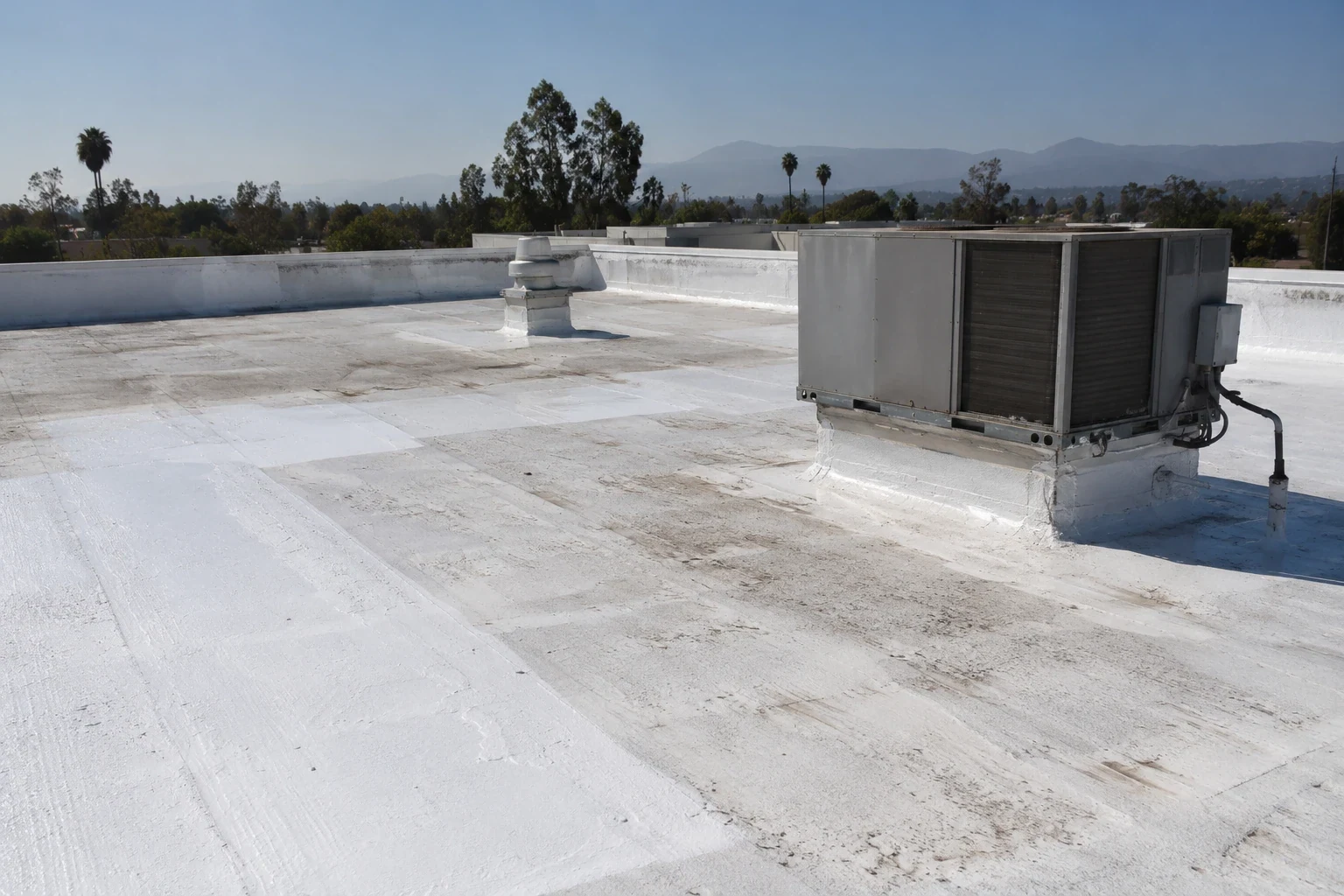
A permanent option needs removal, retained material, supporting preparation and completed details stated together. We identify compatibility and the receiving boundary relevant to the selected construction. A wider replacement can differ from a localized correction in both preparation and occupied-building exposure. The roofing recommendation explains those differences on its assessed basis. The insurance review considers its own requirements, while facilities and the construction team coordinate the actual work through the authorization given.
Roofing in a restoration contractor's sequence should retain its completed endpoint and pending interfaces. The designated property management contact coordinates practical building arrangements. For a healthcare roofing assignment in Concord, identify the subject structure and its authorized access requirements before planning the work. For proposed restoration roofing near that hospital, obtain the subject property's actual instructions and records before an assessment, keeping its individual roof findings with its assigned construction decision.
Preserve completed work and deferred questions separately
The handoff should locate installed roofing and corrected details with relevant material and agreed checks. We retain deferred findings separately from the task delivered. An unresolved interior, equipment or supporting concern has its own responsible assessment. A later symptom receives current examination alongside the earlier work record. That lets the facility director make another useful request without assuming roofing completion establishes acceptance of every restoration obligation beyond the exterior connection.
Damage review around downtown Concord restoration project locations needs the assigned roof's findings and current operating release. We coordinate practical access for related assessments while retaining their purposes independently. Earlier photographs and construction records can guide the next visit, with additional changes recorded as current observations. Facilities then has a clear account of the permanent roofing delivered and the next decision still needed, while acceptance and coverage questions remain with their responsible review.
Keep observed damage separate from coverage decisions. A restoration roof record should distinguish what was observed, what was opened, what was repaired and what remains unknown. Capture the affected roof zone, adjacent comparison areas, interior reports and weather date when available; identify whether a photograph shows temporary protection or permanent reconstruction. The insurer or adjuster determines coverage, while the roofer describes construction and its proposed repair scope. For Contra Costa assignments near Martinez or Pleasant Hill, keep each property's findings and authorization with its own file. Avoid assigning cause from a stain alone or extending one storm observation across an uninspected roof. A clear record helps the owner review the proposed work without presenting a technical observation as a coverage determination.
Commercial Roofing Questions
Can an observed defect establish the insurance outcome?
Record the condition and relevant examination limits. We describe roofing findings and proposed construction. Coverage and acceptance remain with the responsible review rather than a promise attached to the visible damage.
What makes a damage photograph useful for roof work?
Include the location and surrounding detail. We distinguish observed change from unresolved causation or concealed condition. The next assessment can then address a defined roofing question.
How should emergency holding work enter the account?
Locate its purpose and action separately from permanent preparation. We identify the remaining assessment or supporting release. Temporary protection does not establish completion of every restoration task.
What must precede a concealed-layer examination?
Arrange the authorized purpose, affected-space release and compatible restoration. We record findings that change the boundary. Confirmed material stays separate from quantities still needing assessment.
What should the final roofing record distinguish?
Locate installed construction and deferred findings with relevant materials. We retain separate interior, equipment or supporting concerns. Later symptoms receive current examination alongside the completed roof task.