Commercial Roof Ponding Water Repair in Concord, CA
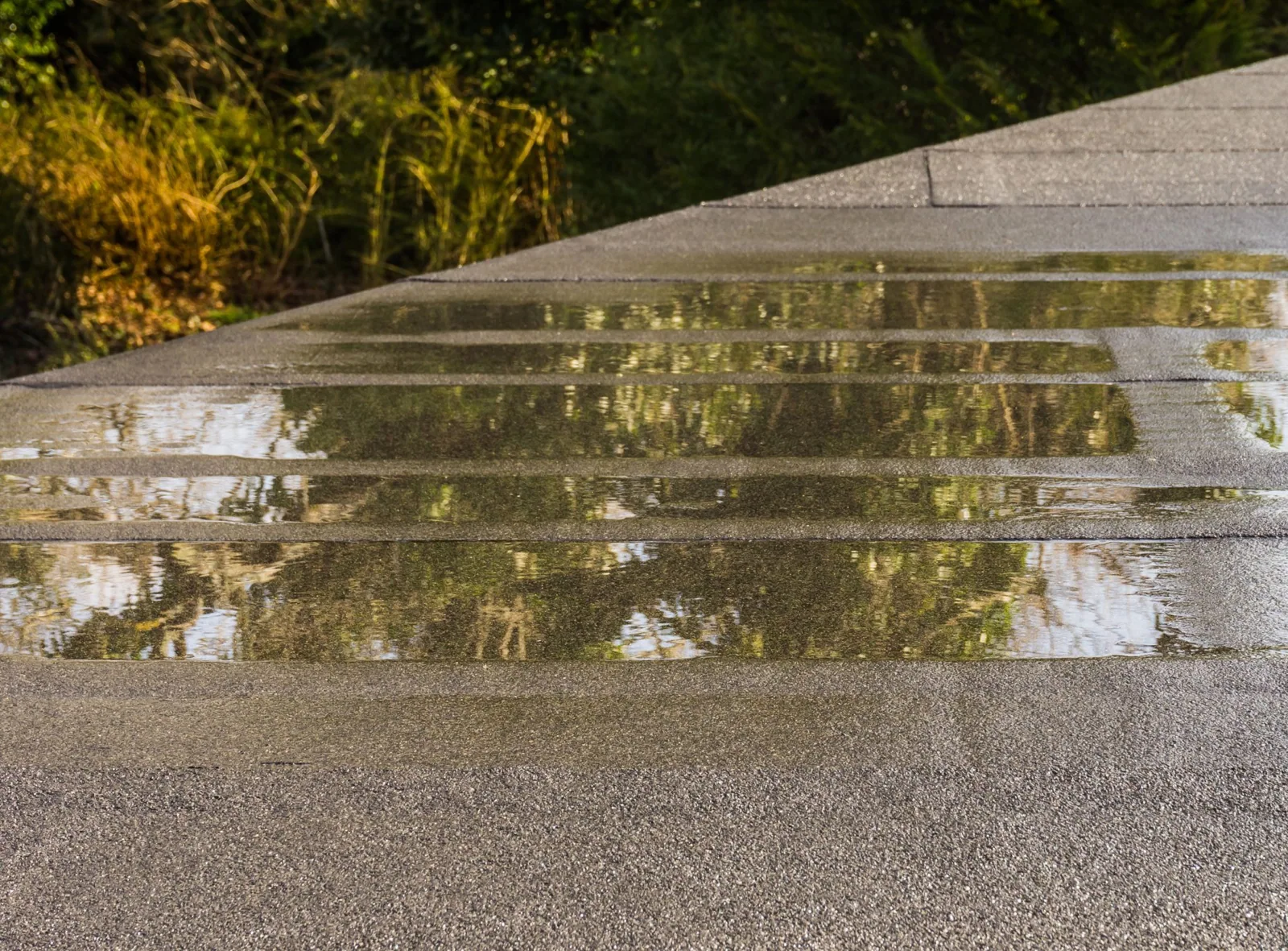
A retail facility director seeing water remain beside a roof drain needs the cause examined before choosing a cleaning task or a broader drainage correction. We repair commercial roof ponding problems in Concord, CA, by assessing accessible outlets, water paths and supporting condition for the assigned building. The work request should identify what the proposed correction changes. Removing debris can help an obstructed outlet, while an unsuitable receiving height or supporting movement requires a different decision before construction is released.
Sunvalley Shopping Center is a retail location in Concord with approach directions involving Willow Pass Road and I-680. For proposed roof work at retail premises nearby, we need the affected interior area and permitted outlet access identified. We describe the examination and any opening needed to establish the detail. The facility contact can then coordinate receiving and protection instructions for the actual task rather than reserve a work period from the visible pool alone.
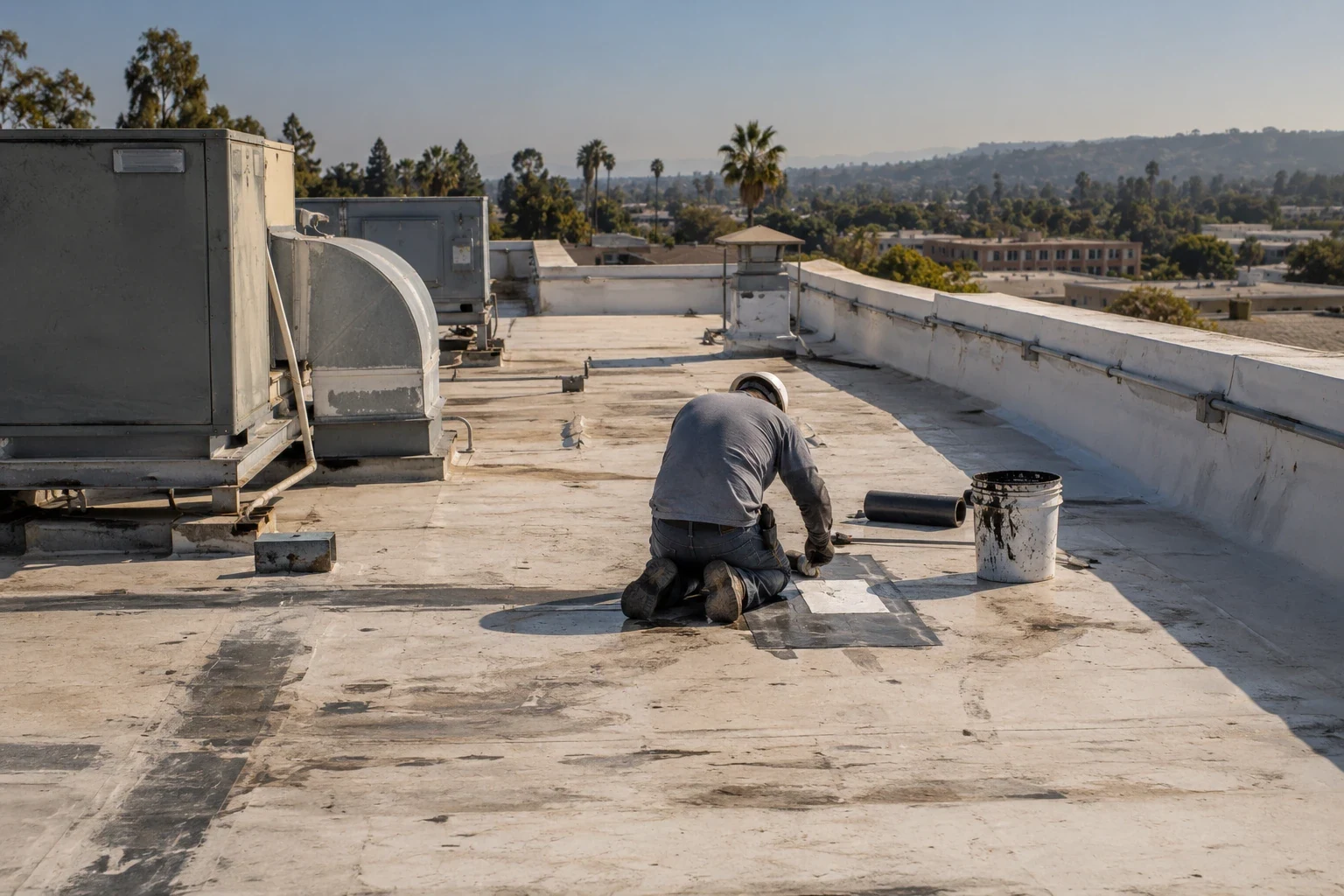
Examine the outlet and its connection
Debris at a drain or scupper can restrict discharge, but the receiving detail may also be damaged or sit above the surrounding flow path. We examine accessible obstruction, the roof connection and the route water must take to the opening. A cleaning task should identify what was cleared and any remaining concern. The facility record can then distinguish restored access to an outlet from a separate detail correction still needing authorization.
Work at roof drains and scupper connections may need roofing and plumbing tasks assigned separately. We identify the covering preparation and receiving surfaces relevant to our connection. The appropriate trade assesses a concealed pipe or discharge question where it affects the proposed correction. Keep that supporting task beside the work request so the completed roof detail is not treated as resolution of an outlet problem beyond its scope.
Follow the water path before changing levels
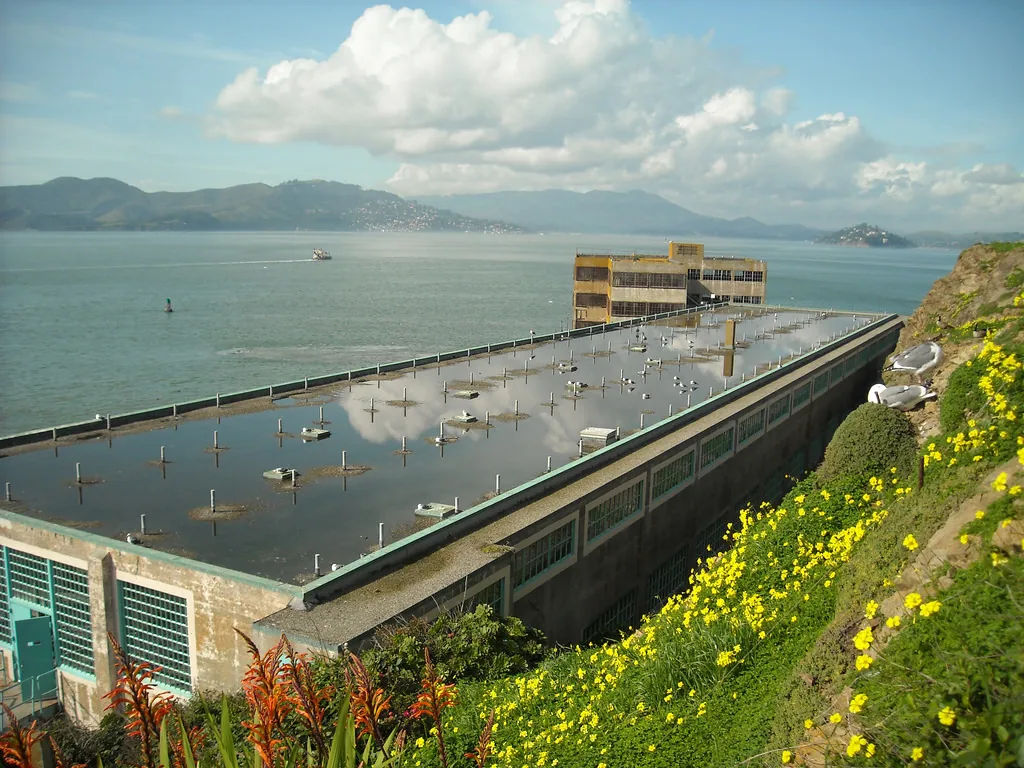
A low area can reflect the roof geometry, retained material or supporting condition. We assess accessible paths toward the outlet and identify the information needed before proposing a level change. Adding material in one area can shift water toward another transition. The facility director needs the proposed drainage boundary and any remaining design assessment visible before a build-up is selected as the correction.
What connection would that level change affect?
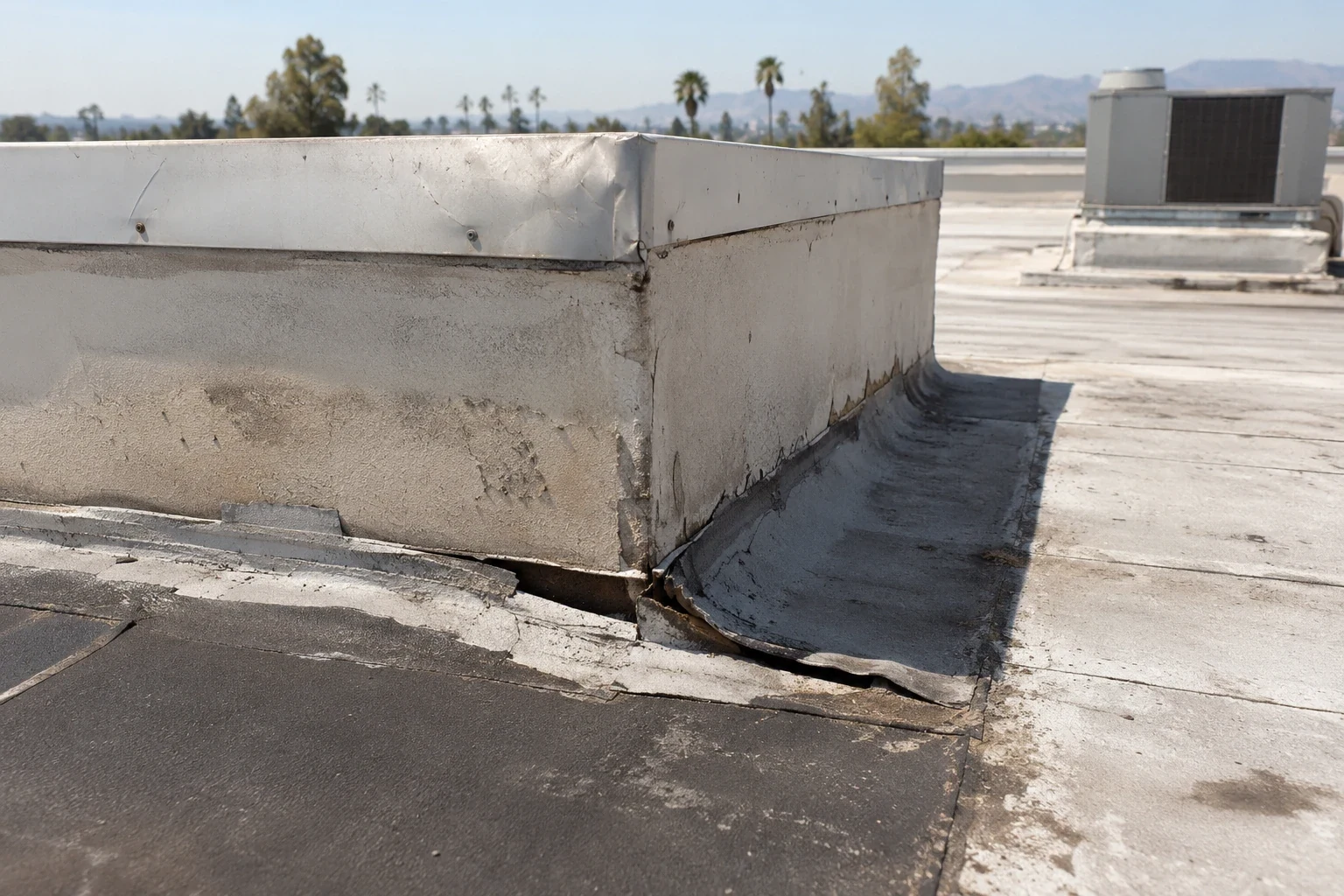
We examine curbs, wall transitions and the receiving height at nearby details. Supporting insulation and cover-board preparation should include suitable connections to retained construction. The selected task needs the actual assembly and approved arrangement established. A material addition that changes the water path should not hide an unresolved outlet height or create an assumption that every adjoining flashing will remain suitable without adjustment.
Assign a support question to the right assessment
Visible sagging or unusual movement can affect whether a proposed surface correction is appropriate. We identify accessible observations and any supporting or structural question requiring the appropriate discipline. The roofing recommendation remains separate from a capacity or deflection decision. Keep that assessment ahead of reconstruction, giving the facility team a defined release rather than treating added roofing material as a remedy for an unexamined supporting condition.
A separate displaced-edge concern needs its own attachment and receiving condition assessed where it affects the water path. We distinguish that correction from the ponding task and describe how their completed details meet. Related defects can share a visit while requiring different preparation. The maintenance log should preserve each observed condition, its proposed action and any supporting decision needed before a combined permanent boundary is authorized.
Confirm material affected by water entry
Standing water and a concealed moisture condition are different findings. We examine accessible seams, punctures and transitions for evidence relevant to entry, then identify further investigation where retained-layer suitability depends on hidden material. A surface pool alone should not establish that all insulation is wet. The work request needs the confirmed defect and the investigation purpose stated separately, with the appropriate space release and closure attached to an authorized opening.
Thermal screening for possible concealed moisture can support examination planning under suitable conditions. We retain confirmation and method limits with the findings. The facility team can then select removal from evidence appropriate to the proposed decision, while an unresolved concealed quantity remains explicit. A drainage correction should not leave an unsuitable layer unexamined, and a thermal indication should not become a blanket instruction to replace every supporting layer.
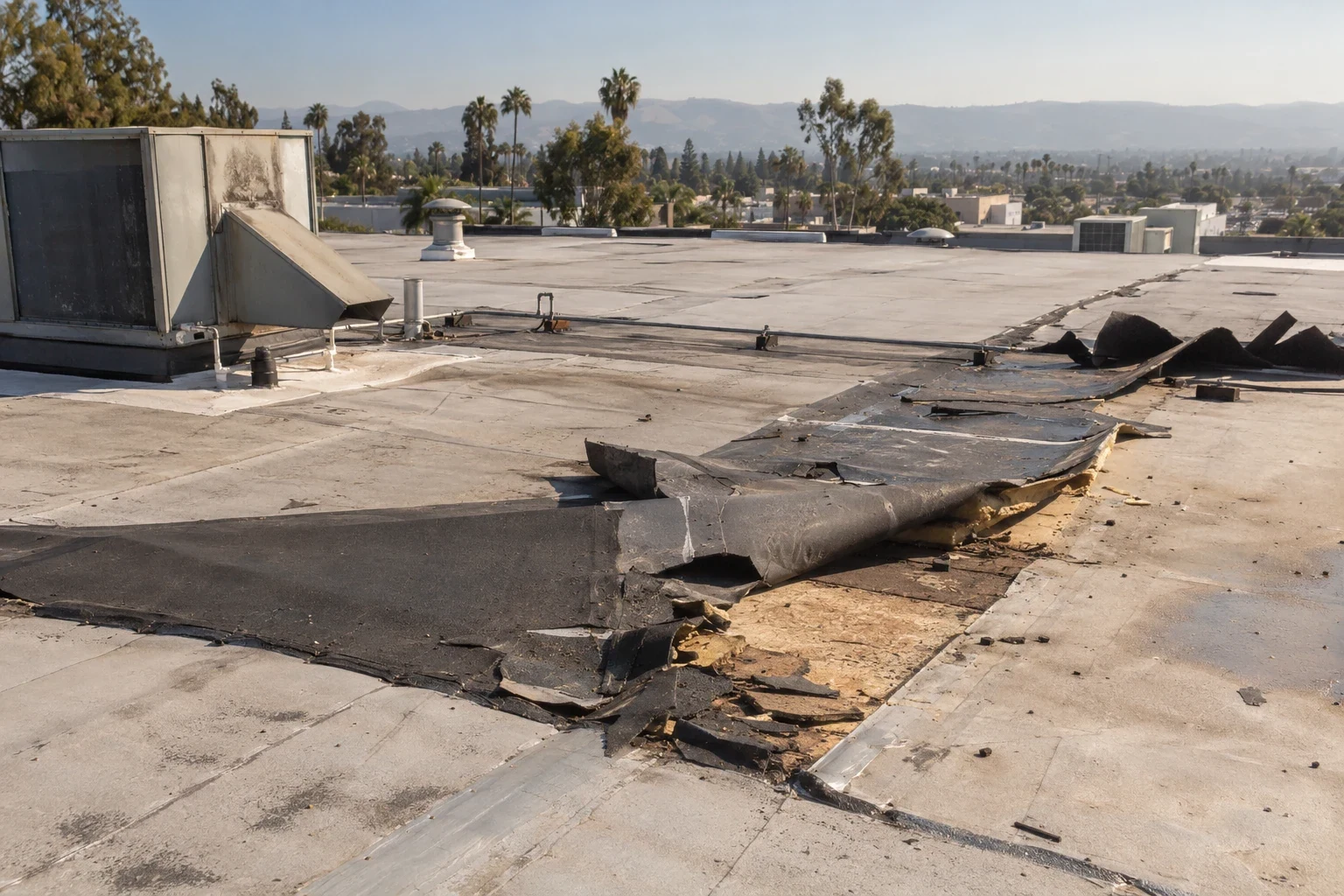
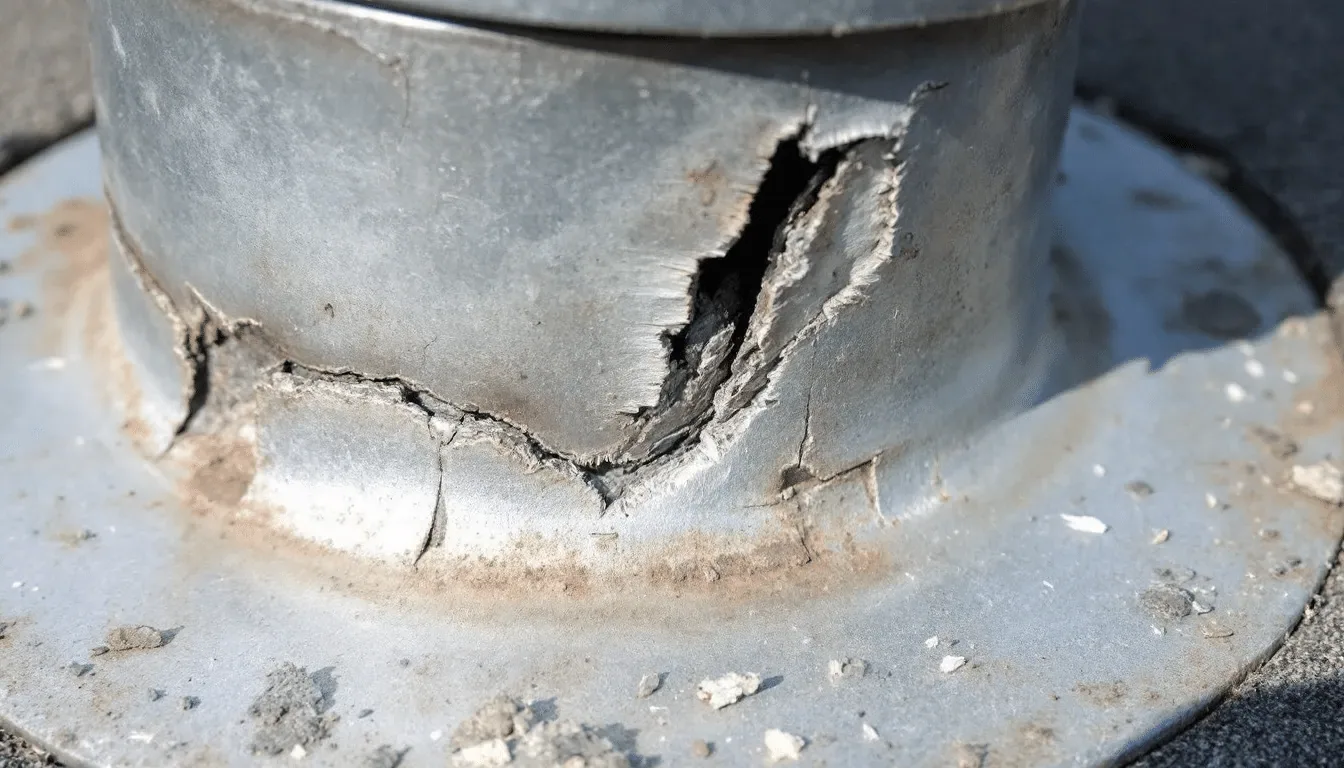
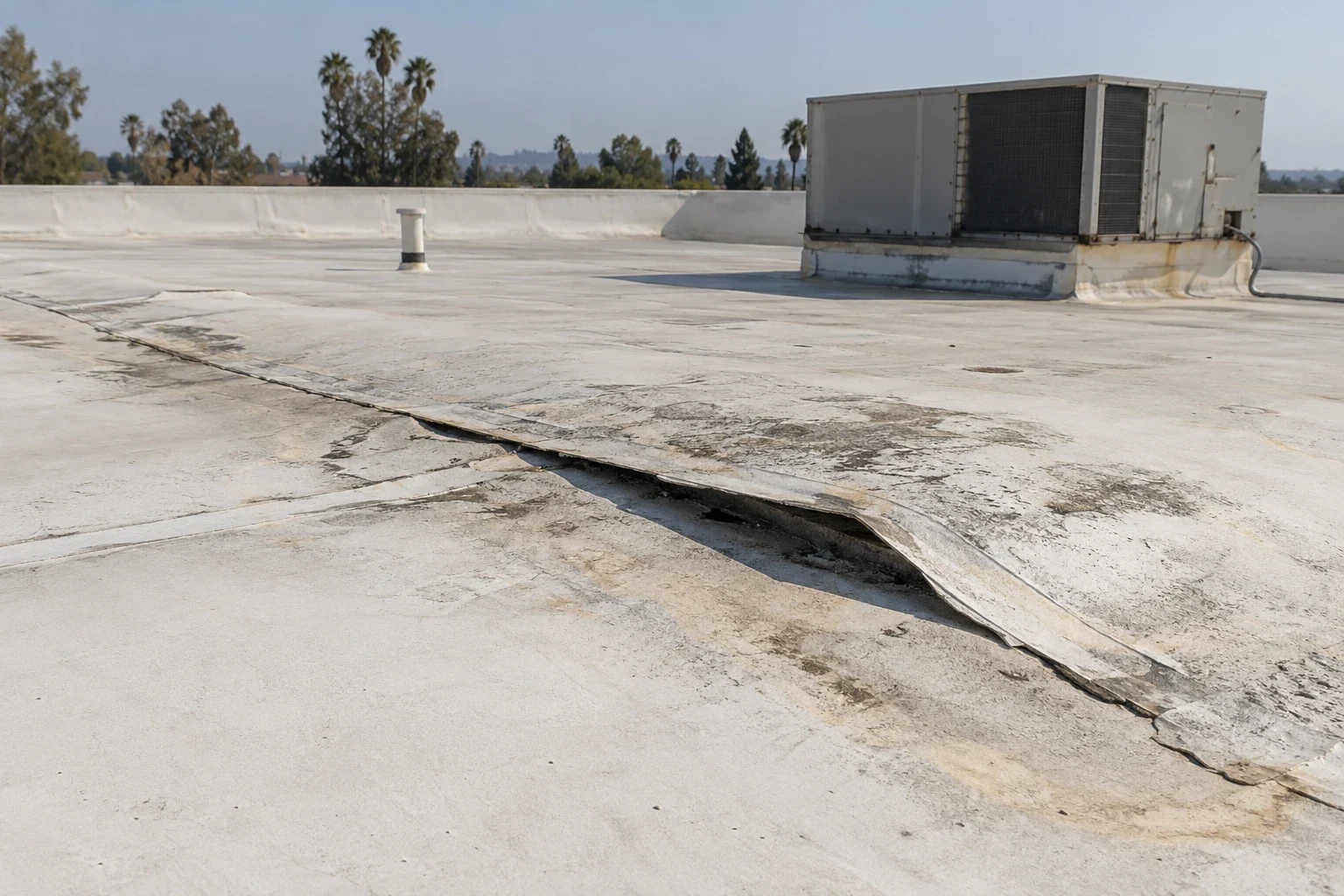
Prepare the retained covering for the new detail
A repair around a low area needs usable receiving material for the actual joining method. We identify the assembly and assess contamination, weathering or earlier patch material where it affects preparation. Some covering may need removal to reach a suitable boundary. The permanent task should state that extent and its connection to retained roofing, rather than describe only the outline of the area where water was observed.
Correction of an adjoining failed seam needs the connection assessed with the drainage work where their boundaries meet. We describe distinct preparation and identify how the finished surfaces retain a usable path to the outlet. The facility director can authorize those tasks together, with distinct quantities for the separate defects. Any design or supporting-trade decision affecting the final arrangement stays ahead of permanent application.
Record the corrected path and remaining task
Mount Diablo Industrial Park is a multi-building industrial area in Concord. For a proposed roof drainage task there, the designated facility contact should identify the affected building and available outlet or interior access. We describe the examination and compatible closure required by the discovered condition. The operator can then establish its actual release instructions before an opening or alteration is arranged.
Work near the Mount Diablo industrial location needs the receiving and protection arrangements retained with that specific assignment. We record the corrected outlet or water path, repair materials and any deferred supporting concern. Emergency calls are available during weekends, holidays and nights where active entry needs an earlier feasible holding measure. That task remains distinct from the permanent drainage correction, leaving the facility team with a clear completed boundary and the next decision still needing approval.
Test the drainage path before assigning a cause. A ponding review should map the low area to nearby drains, scuppers, overflow routes and changes in roof elevation. Check whether the outlet is obstructed, the membrane has settled, or supporting deflection needs another professional's evaluation. A shallow puddle alone does not show which condition is responsible or whether the roof can retain its current assembly. Near Concord's wet winter period, note how long water remains after the rain has stopped and whether it recurs at the same boundary. Photograph both the pond and the path toward the outlet. Then separate a cleaning or correction from insulation replacement, structural review or a membrane repair so the owner can authorize the work supported by inspection.
Commercial Roofing Questions
Does standing water mean the drain only needs cleaning?
Examine obstruction, receiving height and the accessible flow path. We identify what clearing can address and any separate detail concern. The work request should preserve the correction still needed after debris is removed.
Can added insulation settle a low area?
Assess the actual geometry, support and adjoining connections first. We identify the proposed drainage boundary and any design question. A build-up needs a suitable outlet path and usable transitions.
What should happen when the support appears to move?
Retain the observation and assign appropriate supporting assessment. We identify roofing preparation separately from structural decisions. Keep that release ahead of a permanent level or detail change.
Does a surface pool establish wet concealed insulation?
Confirm the material condition relevant to the retention decision. We distinguish water-path observations from concealed findings. Appropriate examination sets the actual removal boundary.
What helps the next facilities review after correction?
Keep the corrected location, water path and material information with deferred concerns. We identify the work delivered and remaining decision. A later symptom can then be assessed against the current roof condition.