Commercial Roof Asset Management in Concord, CA
A hospital facility director needs more than a roof list when patient space, equipment and repair access share the next maintenance decision. We manage commercial roof assets in Concord, CA, by connecting each examined roof area to its observed condition, proposed task and operating restriction. The record should help you release the right work. A roof drawing with repair locations becomes useful when the PM schedule also shows what needs further examination and who can authorize access to the space below.
For a healthcare roofing assignment in Concord, identify the subject structure and its authorized access requirements before planning the work. For a proposed roof assignment at a medical property in that area, we begin with the designated building and its facility contact. Which affected space needs protection? What equipment interface must stay available? We describe the examination and closure so the operator can supply its actual instructions. Those instructions stay with that building's roof record when the next task is approved.
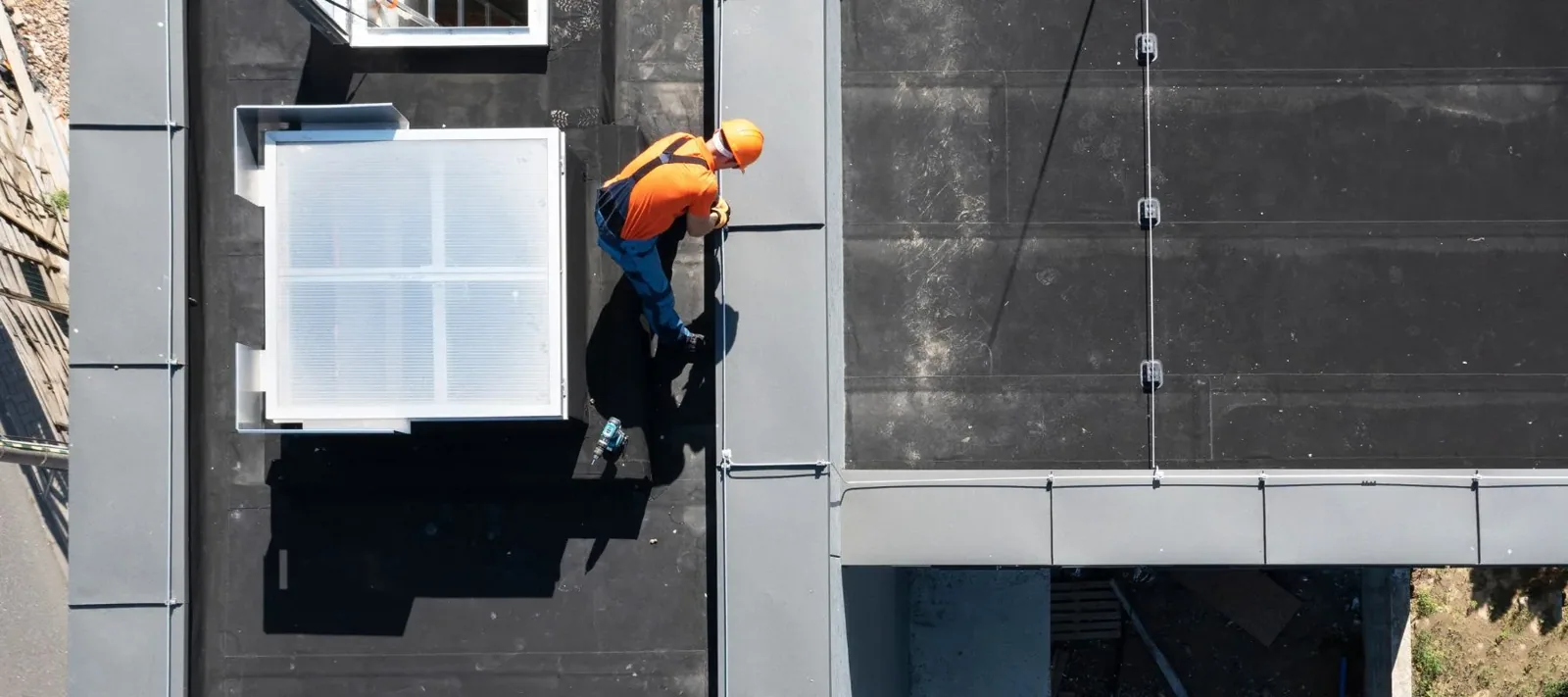
Connect each finding to its building
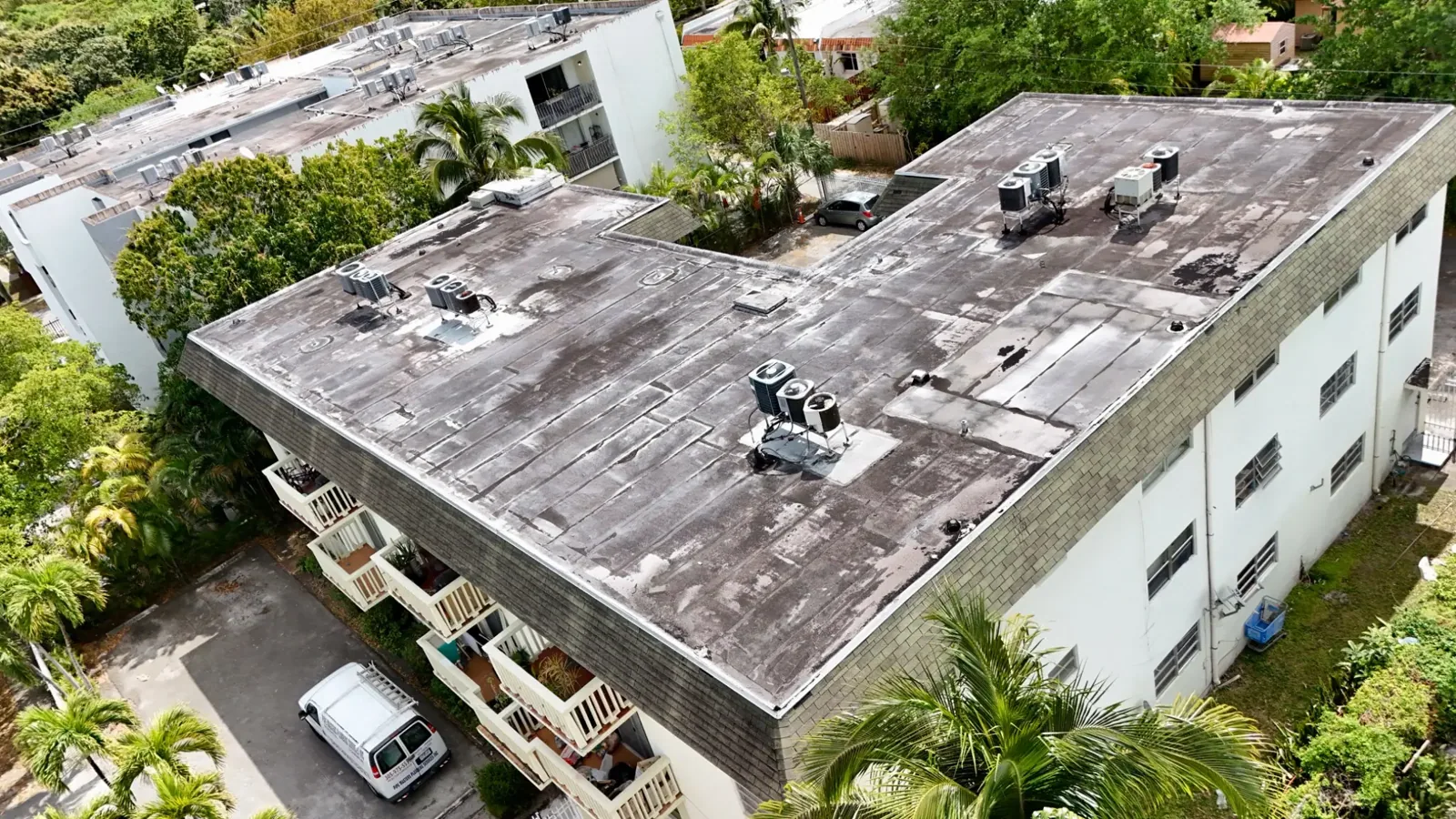
A repair photograph needs a usable roof location and the observed detail beside it. We mark the finding on available drawings or a practical location record, then identify the assembly information used to assess it. An earlier membrane name can be helpful, but a patched area may include different repair material. The maintenance log should preserve what was examined and what still needs identification, especially where a later equipment alteration has changed the connection.
Written condition findings tied to roof locations let the facility team return to the right detail. We distinguish an accessible observation from a concealed condition still needing confirmation. Keep the examination date and limits with the finding. That gives your next work request a starting point without turning an old observation into a statement about the current condition of every supporting layer.
Separate the work request from the larger decision
An open flashing and a proposed whole-roof replacement belong on different approval tracks. We describe the immediate defect and a feasible correction from the examination, then identify any broader retention or removal question. The facility director can authorize an appropriate task while the larger option receives its own review. A deferred list should show the unresolved decision and the information needed to settle it, rather than label every concern as replacement.
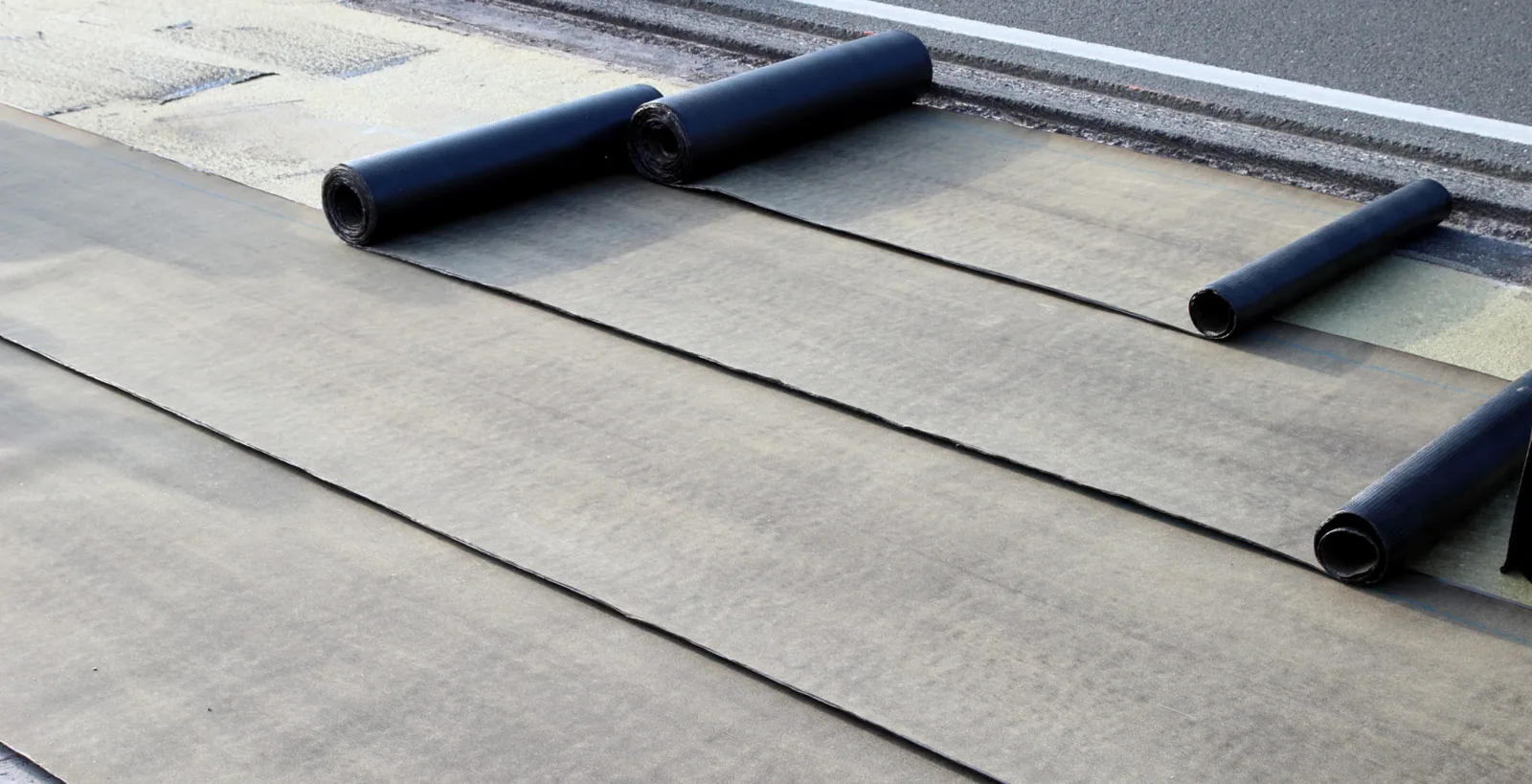
A repair to the established roofing defect needs usable receiving material and a suitable connection. We identify where further preparation or a supporting task changes that scope. A limited repair may be practical even while another roof area is being assessed separately. Keep the completed boundary and remaining decision distinct so the maintenance record shows what the task actually addressed.
Carry the operating restriction into the next visit
An equipment service route can place a constraint on roofing preparation beside a curb. We examine the accessible detail and explain the clearance needed to correct it. The facility contact and relevant trade establish any operating adjustment. The roof record should retain that dependency with the proposed task, so a later scheduling conversation does not begin by assuming the equipment can be moved or stopped during an available shift.
Keys and escorts, receiving arrangements and the space below an opening also affect the visit. We discuss those requirements for the assigned building before work is released. An after-hours window can help where the operator approves it, but the preparation and closure still need enough time. Retain the actual instructions with the work request instead of carrying a broad access assumption from another building into this roof's task.
Keep investigation limits beside retention options
A roof surface can look serviceable while the supporting material remains uncertain. We assess accessible signs and identify further investigation where retention depends on a concealed layer. An authorized opening needs its purpose, affected space and compatible closure stated together. That task belongs in the PM schedule or larger project decision as appropriate, with the remaining quantity explicit until the findings support an actual removal boundary.
Thermal screening that selects moisture investigation locations can help under suitable conditions, with confirmation retained for the proposed decision. We do not turn a thermal indication into a blanket removal instruction. The facility record should show the findings and method limits, giving the contractor a clear basis for preparation while preserving any condition that still requires an authorized examination.
Place the unresolved task in the budget year
A capital request needs the roof option and supporting preparation identified before board approval can mean a construction release. We distinguish the examined scope from procurement, operating and design decisions still outstanding. A proposed replacement can require equipment or wall work before its final connections are ready. Keep those tasks beside the option so the budget discussion addresses a complete roofing endpoint.
Planning the roof capital decision from current findings allows suitable repair and investigation tasks to remain separate. We explain what each option retains, replaces or leaves unresolved. A material allowance without preparation or access can hide the work needed to make it feasible. The facility director should have a defined task and remaining decision to take into the budget year, not just a surface-area estimate.
Return the completed boundary to the maintenance log
For a municipal roofing assignment in central Concord, identify the subject structure and its authorized access requirements before planning the work. For a proposed civic-building roof task nearby, the designated contact needs the affected office or passage and access arrangements identified before an opening is made. We describe preparation and suitable closure for that actual assignment. The resulting record can then show the completed location and any supporting item still on the deferred list.
A proposed visit in downtown Concord needs its own release instructions. For an identified TPO roof assembly, we retain the receiving preparation and repair materials with that building's completed work. Emergency calls are available at night, over weekends and on holidays where an earlier feasible protection task is needed. Its holding purpose stays separate from the permanent endpoint so Monday morning's maintenance review can distinguish completed work from the next authorization.
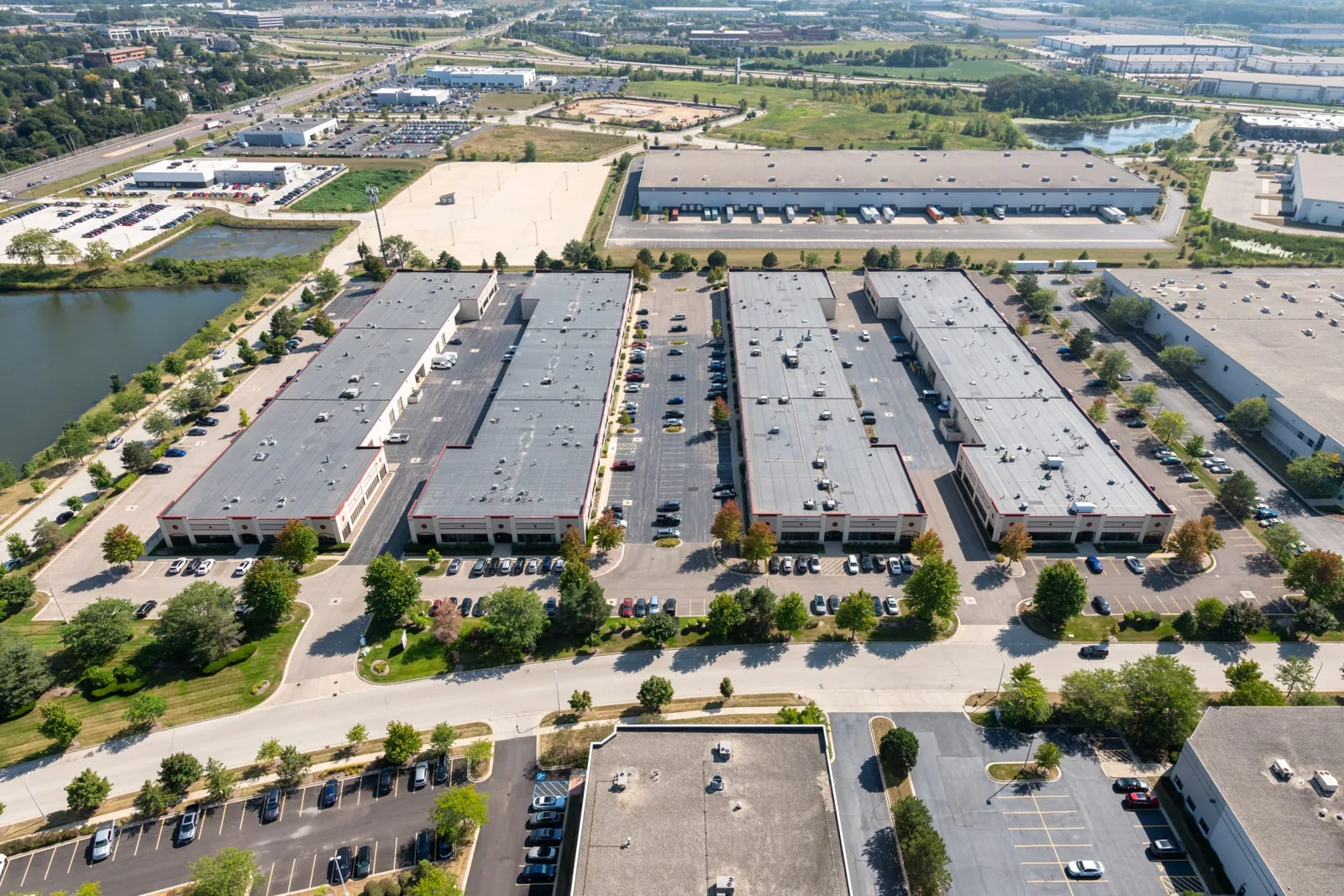
Make records useful for the next roof decision. A useful roof register pairs a consistent building ID with roof-zone labels, assembly evidence, last observed condition, open repairs and the source of each entry. Keep observed facts separate from projected replacement timing so a planning score does not read like a warranty or promise. Attach inspection photos and approved scopes to the same zone, then update completed work while preserving the earlier record. Across Concord Business Park and the multi-property Bishop Ranch district, ownership teams may need to compare buildings with different operators and roof histories; use one field structure without assuming identical conditions. A manager can then sort protection needs, near-term investigations and budget-year candidates while each recommendation remains traceable to the property it describes.
Commercial Roofing Questions
What makes a roof record useful for the next work request?
Keep marked locations, observed condition and examination limits together. We identify the proposed correction and any operating dependency. The next task can then start from a specific detail rather than a general roof label.
Should every deferred concern enter the replacement budget?
Assign the decision supported by the examination. We distinguish confirmed repairs, further investigation and broader options. A deferred item should state what remains unresolved and what information will settle it.
Can thermal findings establish all retained layers as usable?
Confirm the concealed condition appropriate to the proposed retention decision. We keep survey limits with the findings. The record should preserve uncertainty until examination establishes the supporting material and actual preparation needed.
Where should equipment access restrictions be recorded?
Keep them beside the affected roofing task and component location. We describe the clearance required, while the operator and relevant trade establish the release. That dependency stays visible when the next visit is scheduled.
How should urgent protection appear in the maintenance log?
Identify its location, holding purpose and remaining permanent work. We describe the next examination or material decision. The facility team can then distinguish immediate protection from the completed correction it still needs to authorize.