Storm Damage Roof Repair in Concord, CA
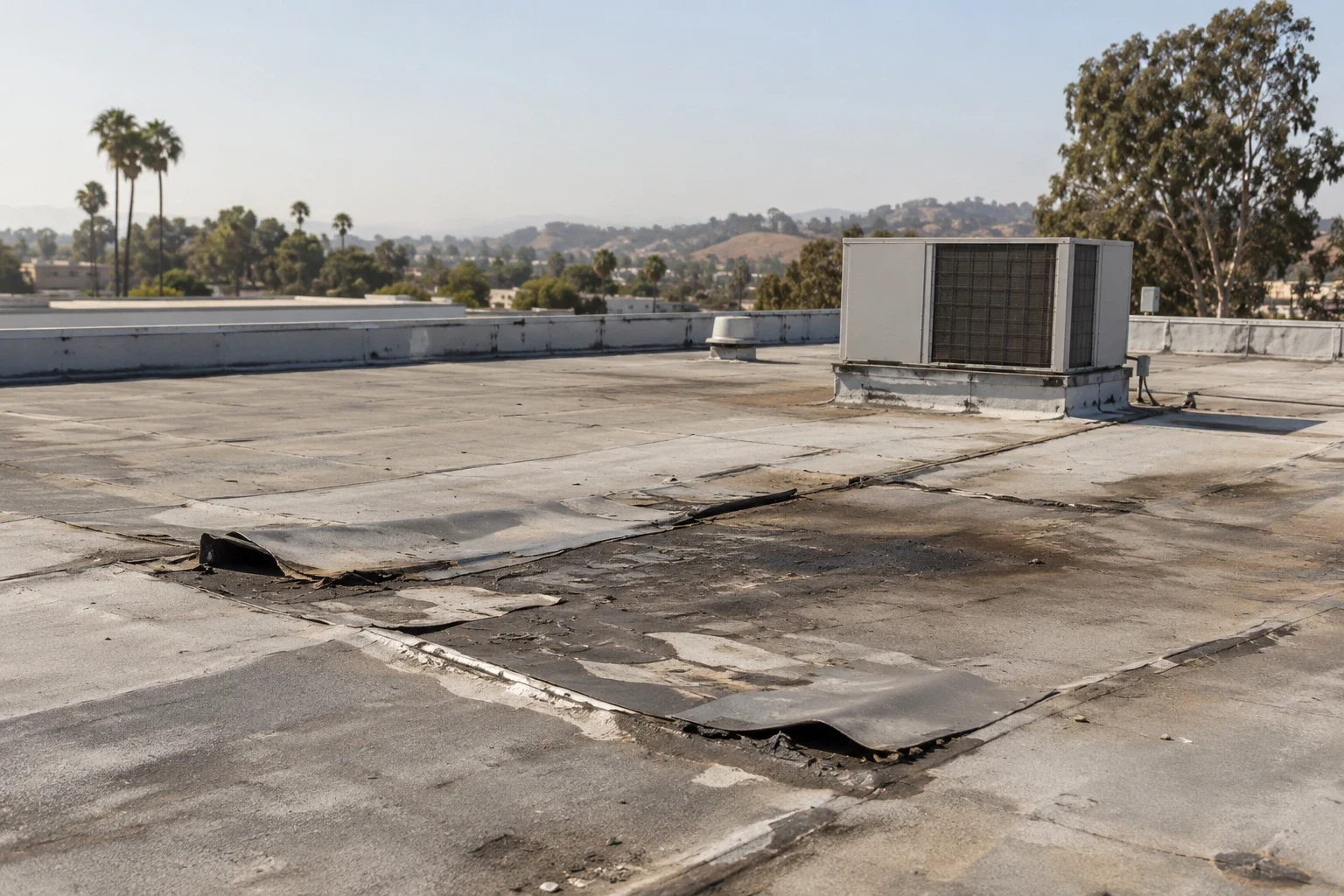
A school roof above occupied rooms leaves the facility director responsible for protecting occupied rooms after reported storm-related roof changes while the actual repair scope is established. Storm damage roof repair in Concord, CA, begins with observed conditions and the building’s work releases. We examine accessible membrane, flashing and equipment interfaces, then distinguish immediate protection from permanent construction. Share the event timing, marked concerns and maintenance records without assuming every existing defect has the same cause. Facilities can coordinate an assessed repair endpoint rather than a broad storm label being used to approve materials or removal quantities that have not been confirmed.
For a municipal roofing assignment in central Concord, identify the subject structure and its authorized access requirements before planning the task.
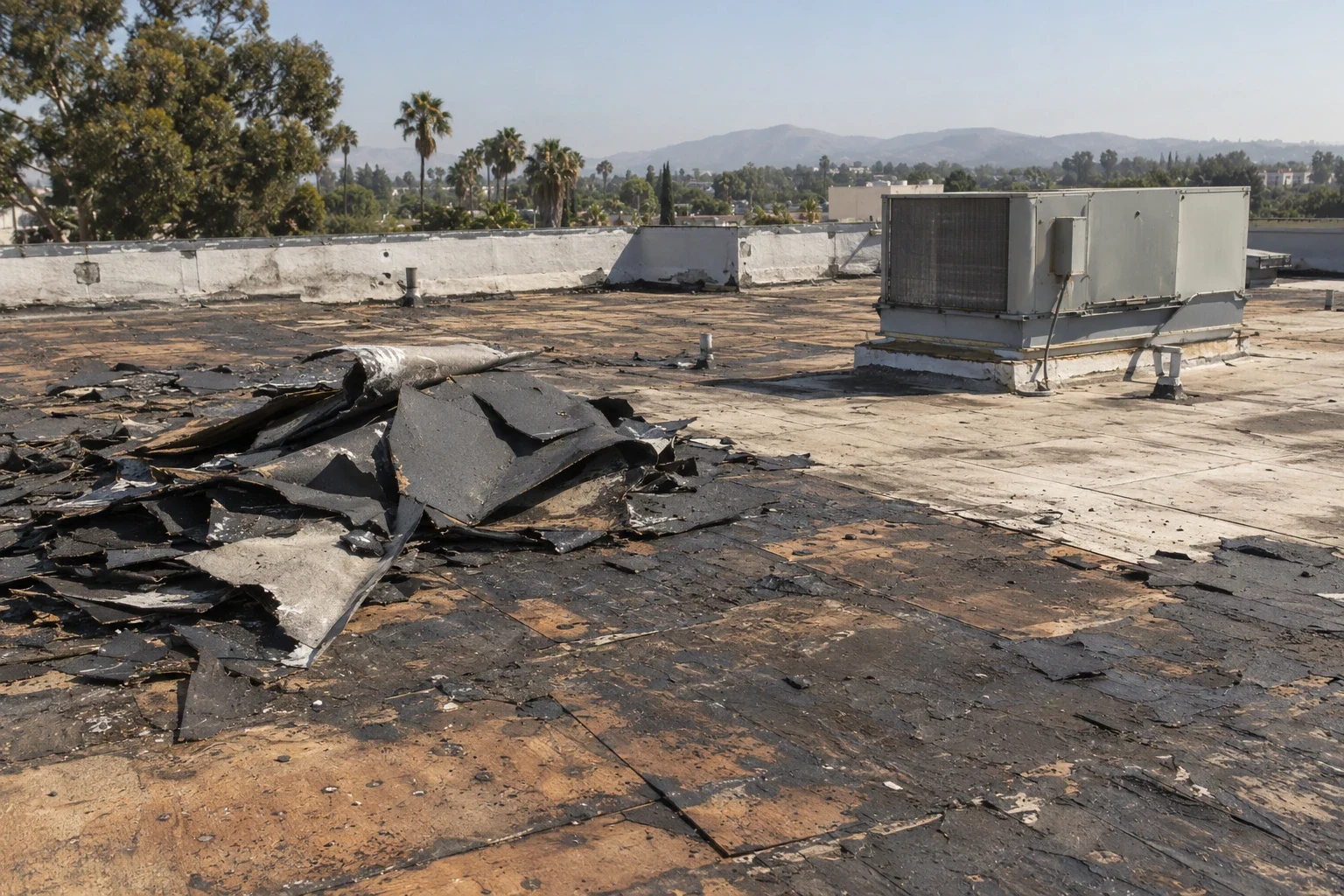
Record what changed and what was observed
Reported timing helps organize investigation while accessible findings establish the construction question.
What needs confirmation first?
We compare the marked locations with available records and prior repair information. The assessment should describe exposed conditions and keep uncertain causation or concealed layers separate. Facilities can then arrange confirmation relevant to the permanent repair instead of allowing every observation to become an assumed event-related replacement quantity. A useful work request states the actual defect and supporting endpoint, with unknowns retained where the available construction does not yet establish the full repair boundary.
If water symptoms are part of the report, a source-confirmation leak task needs interior locations and equipment information beside roof observations. We compare possible paths rather than place a patch directly above the visible ceiling symptom. Water can travel within the assembly, and the reported event does not identify every permanent connection. Facilities can coordinate roof and interior releases for the necessary checks before material quantities are committed, keeping observation separate from a conclusion that has not yet been established at the assigned source or supporting layer.
Separate immediate protection and permanent work
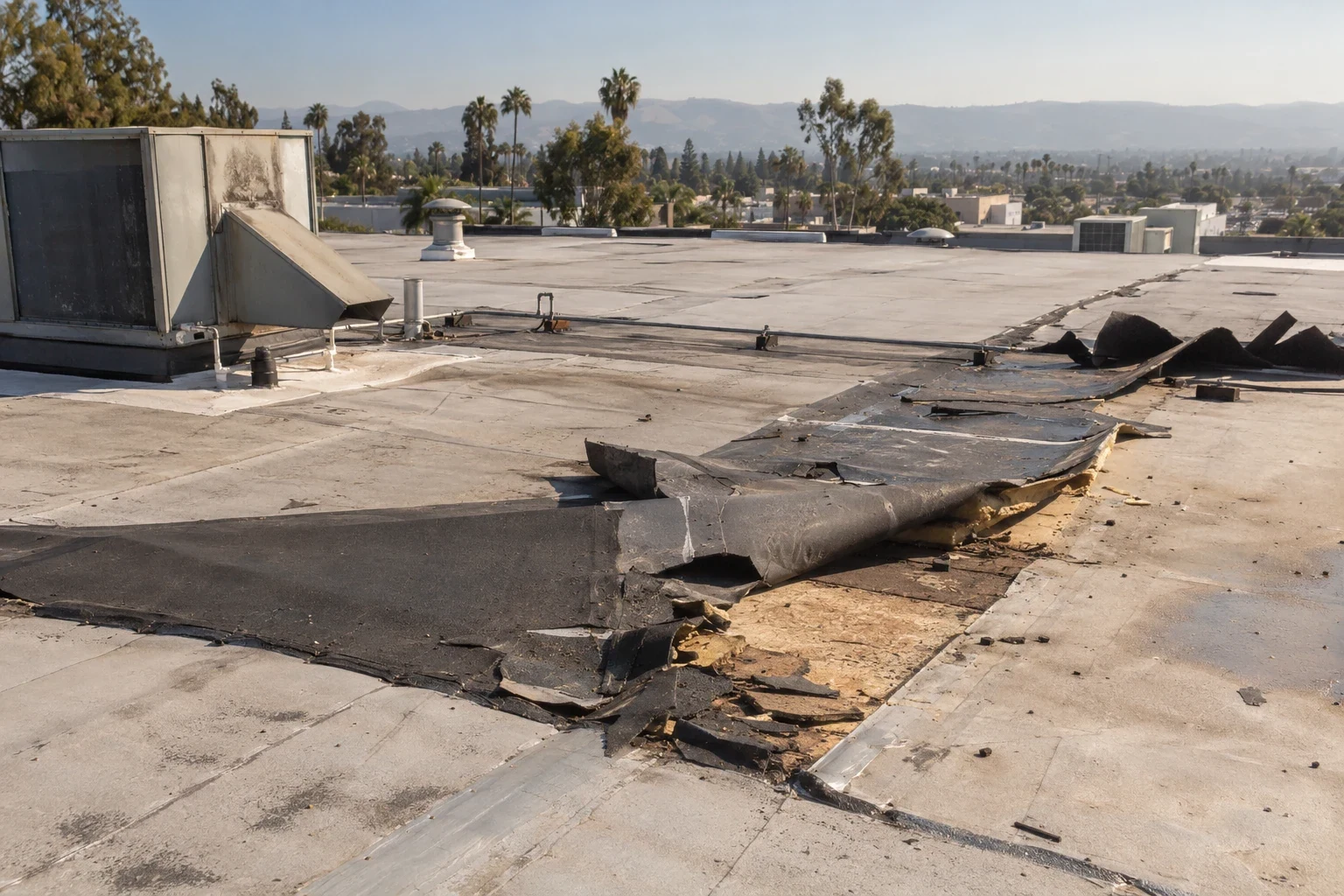
An exposed area may require a defined protection task while compatible permanent construction is assessed. We describe the condition addressed and identify the investigation or trade release still needed. Immediate roof protection work should have an endpoint distinct from lasting repair. Facilities can coordinate continued building use against that described condition. The follow-up sequence should retain responsibility for closure and unresolved interfaces rather than initial surface protection being interpreted as completion of every assembly layer or permanent connection around the affected roof area.
Supporting moisture can change the quantity beyond a visible membrane opening. We identify confirmation required and distinguish established removal from suspected extensions. The permanent scope includes disposal, replacement layers and transitions where findings support them. Request a measurement and approval basis before concealed additions are discovered during opening. Facilities can then review changed supporting work against an agreed construction endpoint, preserving daily closure while quantities are resolved. A new upper patch cannot remove wet insulation below it, so lasting repair should follow the actual assembly correction identified for the task.
Identify compatible repair materials
A TPO damage-repair connection needs the actual sheet and surrounding material assessed before permanent joining is selected.
We compare available records with exposed construction and flag aged patches or uncertain interfaces requiring more examination. Bring that information beside the defect layout before procurement. A broad family label cannot establish every compatible accessory. Facilities should have preparation and supporting work stated with the permanent boundary rather than a new-material allowance used as evidence that any patch will suit the assigned roof.
An EPDM permanent repair option needs its own joining approach and supporting requirements. We identify the actual construction present and distinguish wider replacement where it is offered as a separate alternative. Submit complete sections and changed interfaces for applicable review before purchase. Similar exposed defect areas do not make separate systems interchangeable or establish equal installation tasks. The useful comparison carries the same permanent endpoint and building protection, with preparation and detail differences clear rather than hidden inside a general storm-related surface allowance.
Coordinate occupied areas and supporting trades
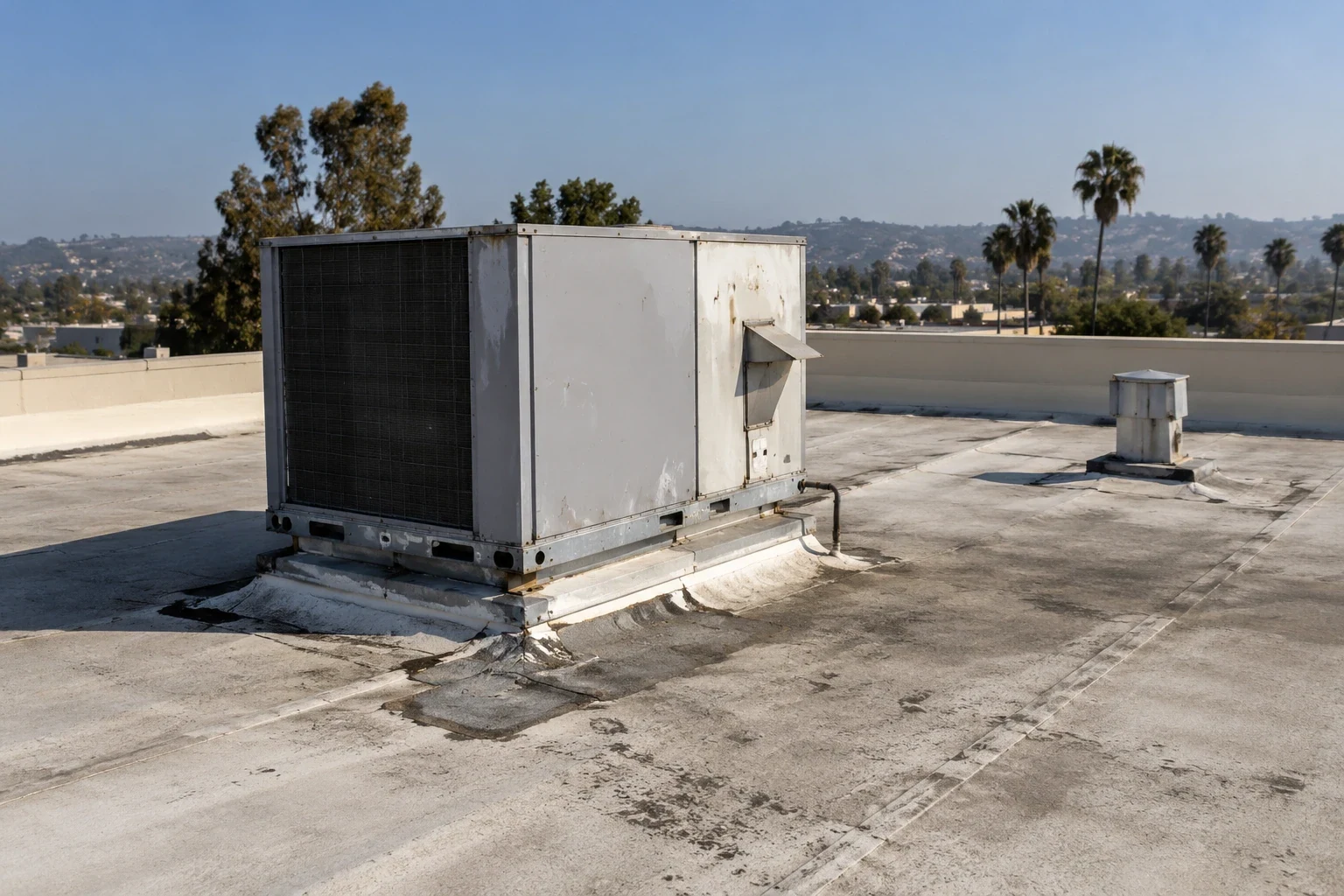
A repair near equipment may require lifting or mechanical work before its connection is available. We identify roofing exposure and closure responsibility at the actual interface. Share the arrangement and operator’s permitted periods before the phase is committed. Facilities can place the required release ahead of permanent installation instead of assuming broad field placement returns every unit to service. Where work occurs in separate periods, retain protection between tasks and keep the unfinished connection visible so a blocked interface does not disappear after repair elsewhere has been completed.
Healthcare assignments need their specific facilities requirements reviewed. For a healthcare roofing assignment in Concord, identify the subject structure and its authorized access requirements before planning the work. Proposed roofing around downtown Concord work areas should retain the designated structure and actual operator releases with the damaged locations. We discuss overhead protection and material routes before pricing setup. Consistent reporting categories can help facilities organize multiple requests, while each building’s findings, equipment dependencies and permanent endpoints remain separate. A shared event account should not replace the assessment needed for the individual roof.
Preserve findings and completed scope
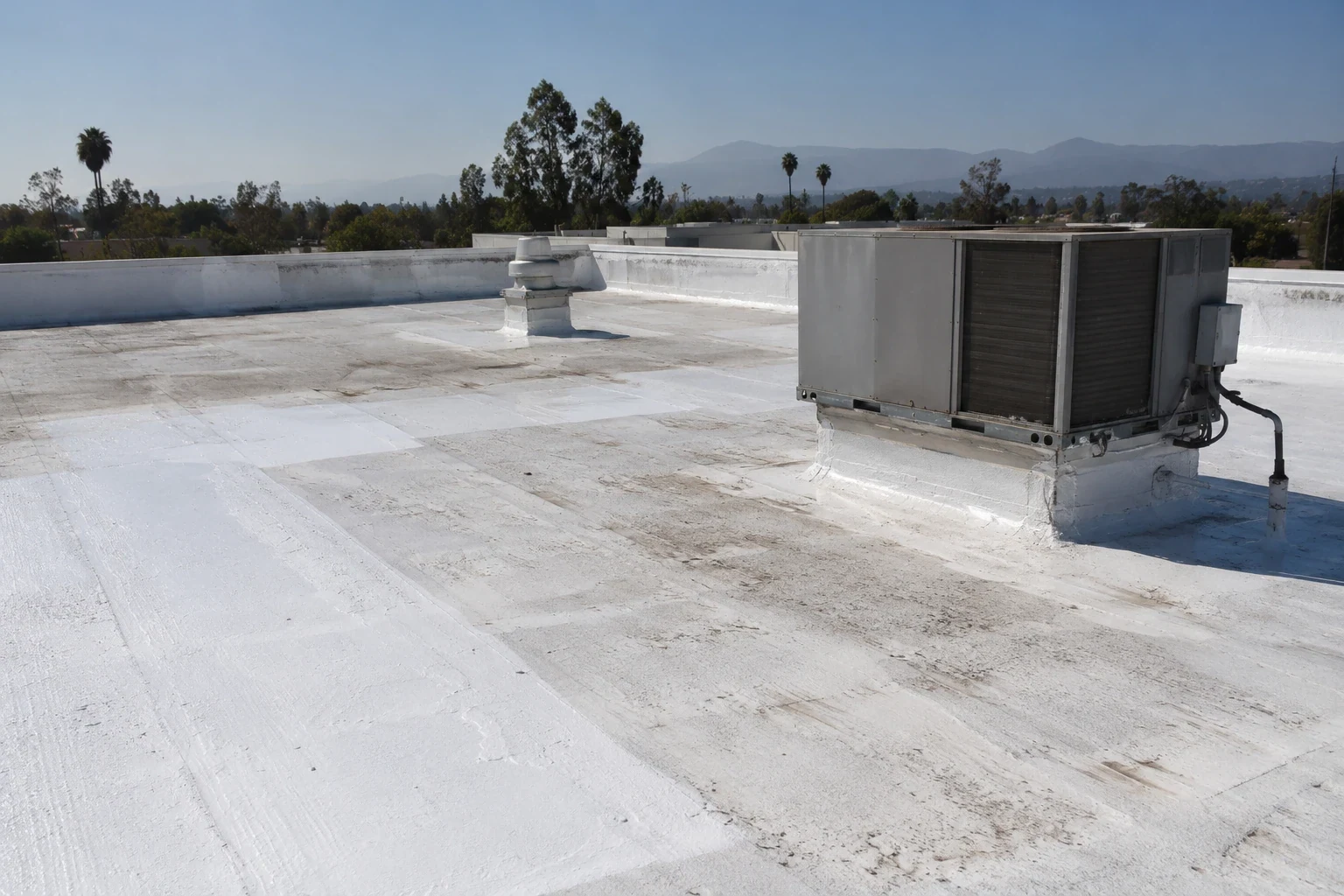
Permanent application requires suitable current conditions for the selected material. We assess the supporting surface and intended repair requirements before joining work. An available crew or urgent building period cannot establish every connection is ready. Keep supporting preparation, compatible components and operator releases together in the day plan so facilities can coordinate the task available to proceed. Where application or another interface remains unsuitable, retain it as a dependency rather than use a storm report or initial protection visit to promise completion of all permanent construction during one period.
The maintenance record should identify reported timing, accessible findings and repairs actually completed, with unresolved concerns stated. We discuss agreed project checks and relevant document tasks with the scope. Applicable warranty or claim documents need their specific requirements assessed independently from roof observation, without a promised coverage or payment outcome. Facilities can coordinate adjacent restoration after the relevant permanent connection and review. That handoff distinguishes an assessed repair from assumptions about the whole roof, preserving supporting findings and unfinished equipment interfaces after broad field work is completed.
Separate event evidence from older roof conditions. After a storm, capture the date, reported event, affected interior and visible roof changes before debris or temporary work alters the scene. Inspect the suspected zone and adjacent details, then compare with maintenance records to distinguish a new opening from an older defect. Record any temporary cover and who authorized it; this is different from a completed permanent repair. Contra Costa can see wind and heavy-rain episodes, but a regional event does not prove its cause at an individual building. Keep observed damage, further examination and proposed scope in separate lines. The owner can then share a clear account with its reviewer while deciding what work is supported, what remains uncertain and which interior space needs protection.
Commercial Roofing Questions
What should accompany a storm-related request?
Share observed changes, event timing and existing maintenance records. We define relevant assessment and keep uncertain cause separate from the permanent construction findings.
Does an event establish the replacement quantity?
Assess the assigned roof and supporting condition. A reported storm does not define every defect, wet boundary or compatible permanent repair material.
How should initial protection be documented?
State the condition addressed and lasting work still needed. Retain investigation and trade releases separately from the protected endpoint.
What should be confirmed before permanent repairs?
Establish material identity, supporting boundary and operator requirements. Coordinate compatible components and suitable conditions before committing the installation period.
What belongs in the final record?
Keep reported timing, findings and completed construction distinct. Assess actual document requirements separately without promising coverage or a payment result.