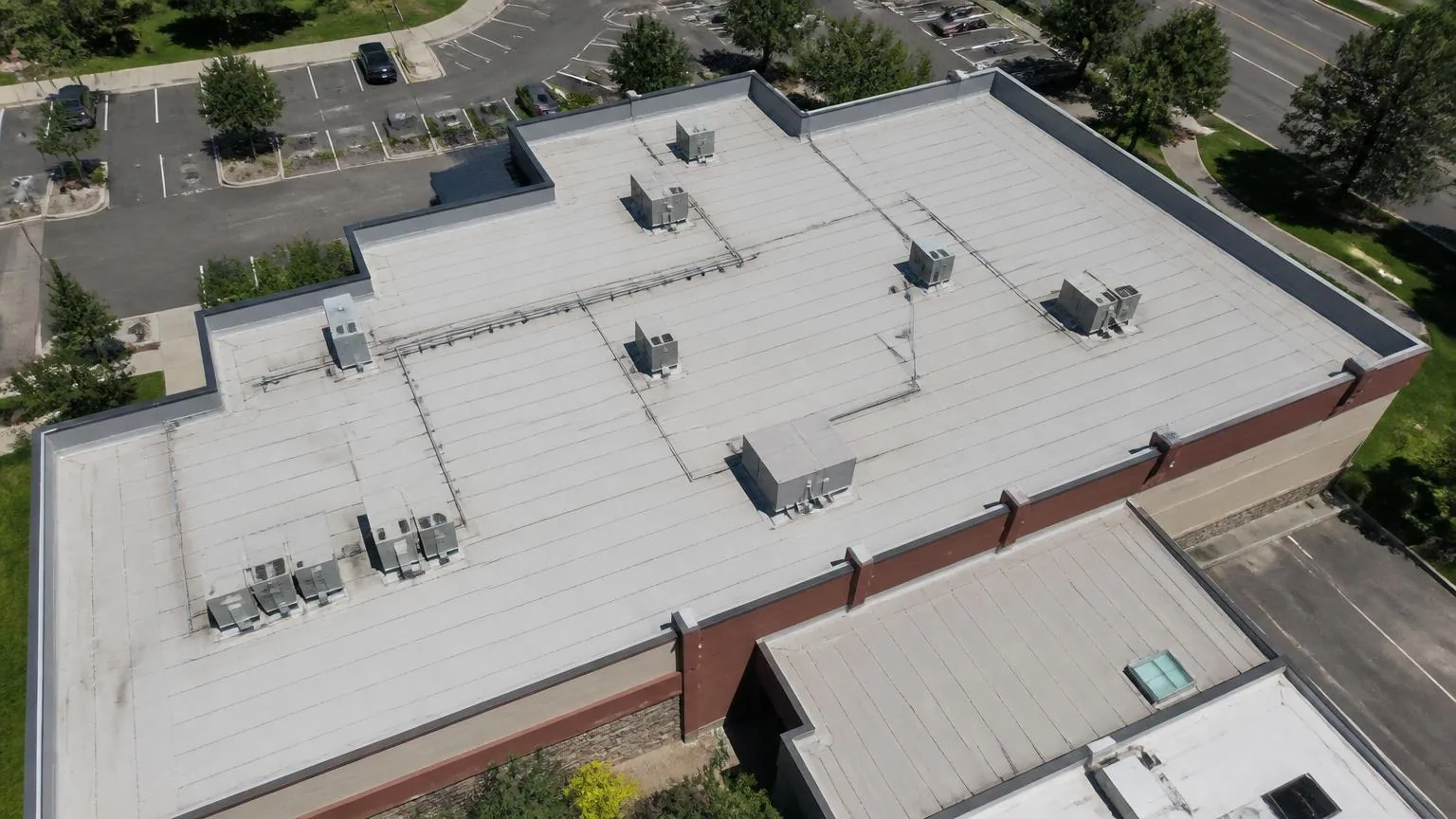
Drone Roof Inspection in Concord, CA
A civic building with occupied public areas needs its facility director to protect normal access while gathering useful roof imagery. Drone roof inspection in Concord, CA, starts with the building, the intended decision and the observation that can appropriately be obtained. We define visual coverage and explain ground or roof-level checks still needed. Share the work request, available drawings and relevant site constraints before capture is arranged. Facilities can then use imagery to guide assessment without treating an overhead view as confirmation of concealed moisture, compatible repair materials or every detail beneath equipment.
For a municipal roofing assignment in central Concord, identify the subject structure and its authorized access requirements before planning the work. A proposed imaging task needs the actual designated structure and operator’s site requirements identified before observation. We discuss access around the building and the roof questions the imagery should help answer. The work request can carry those limits with its intended coverage. Facilities has a defined observation endpoint and follow-up path rather than an assumption that a camera angle provides complete examination of every connection or establishes readiness for later permanent installation.
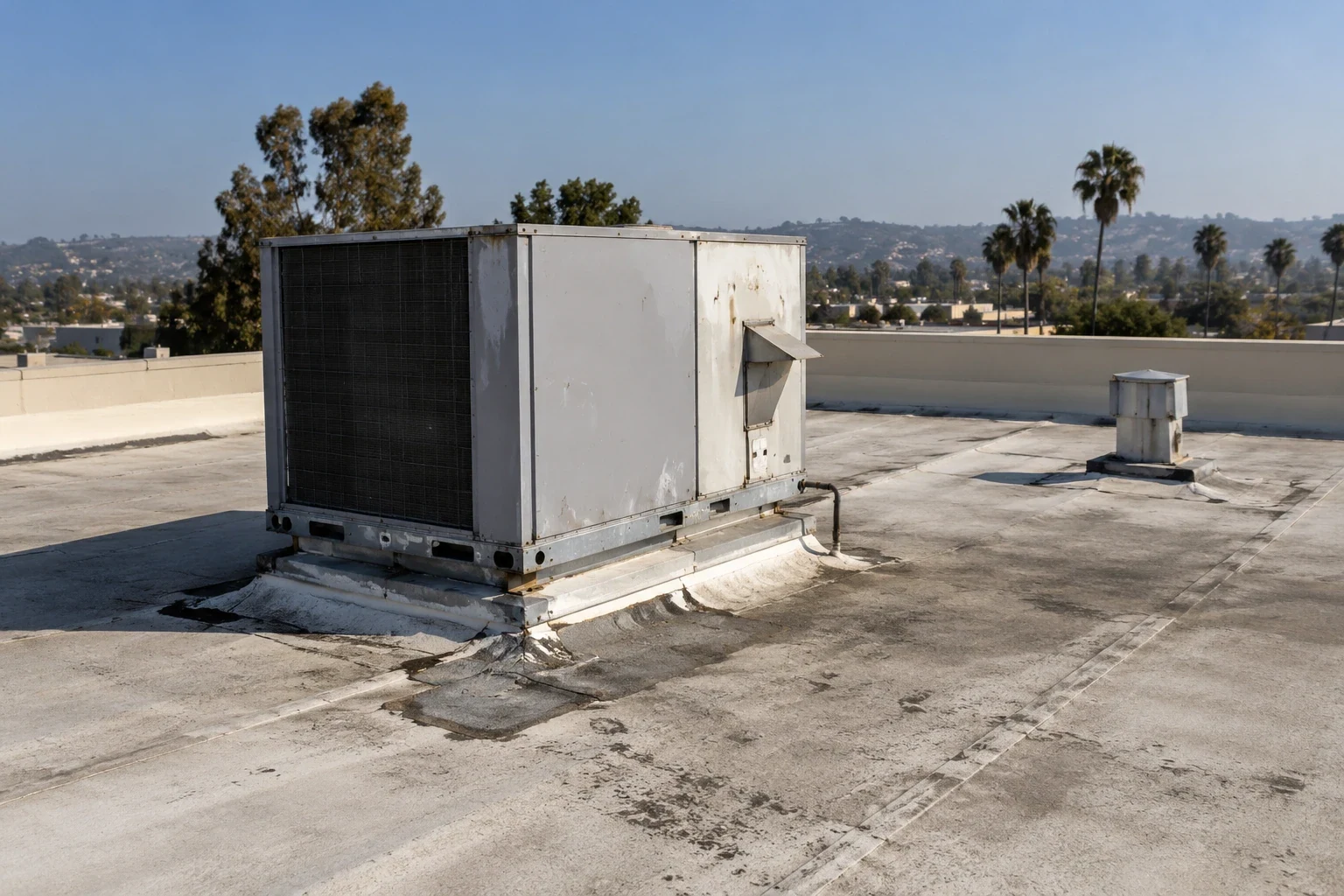
Define what the imagery must answer
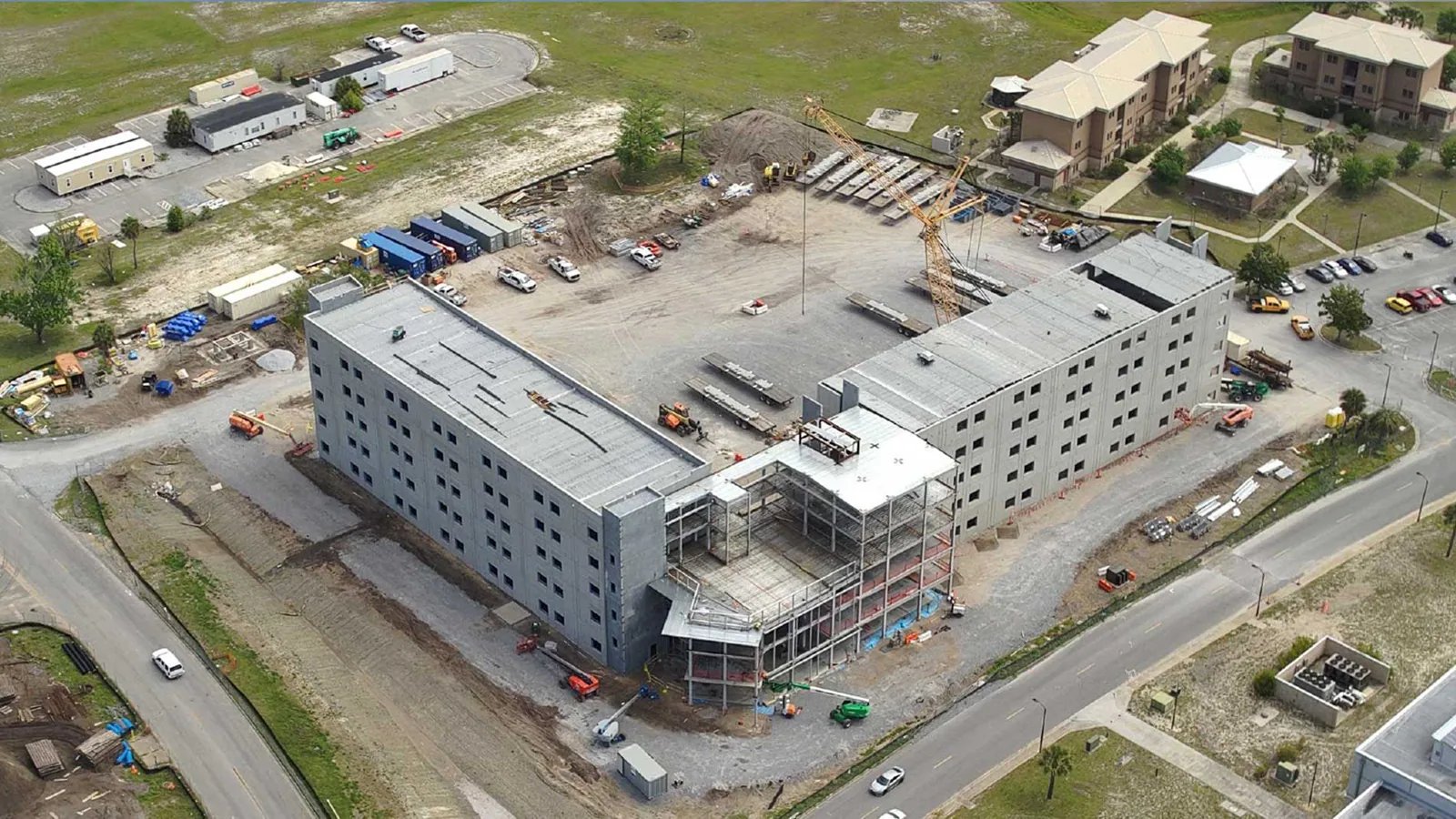
Broad visual coverage and a targeted detail question can require different observation scopes. We identify the assigned roof areas and the decision facilities needs to make before describing the capture task. Provide defect locations and accessible background records so the imagery can be reviewed against relevant construction. A useful request states which features should be visible and where limitations may remain. That keeps the task tied to maintenance or repair planning instead of a general image collection being treated as a complete condition assessment of the entire supporting assembly.
A roof-level inspection scope may still be needed to assess material or connections that imagery cannot establish. We identify those follow-up tasks rather than replace direct examination with a distant view. Facilities can coordinate the appropriate access before permanent quantities are committed. Visible symptoms can help guide an assessment while leaving the actual preparation or concealed boundary unresolved. The permanent repair endpoint should follow confirmed construction, with unavailable material and hidden interfaces retained as questions instead of assumed from image coverage alone.
Preserve coverage and access limits
The proposed observation depends on actual site, operating and applicable flight requirements being resolved. We discuss the assigned structure and operator restrictions before arranging the task and do not promise coverage from a calendar date alone. Bring relevant facilities contacts and site constraints into the request early. Coverage should identify limitations where the intended view is unavailable or unsuitable. Facilities can then arrange follow-up observation using a defined scope rather than assume every roof area or equipment-side connection will be visible simply because overhead imaging has been requested.
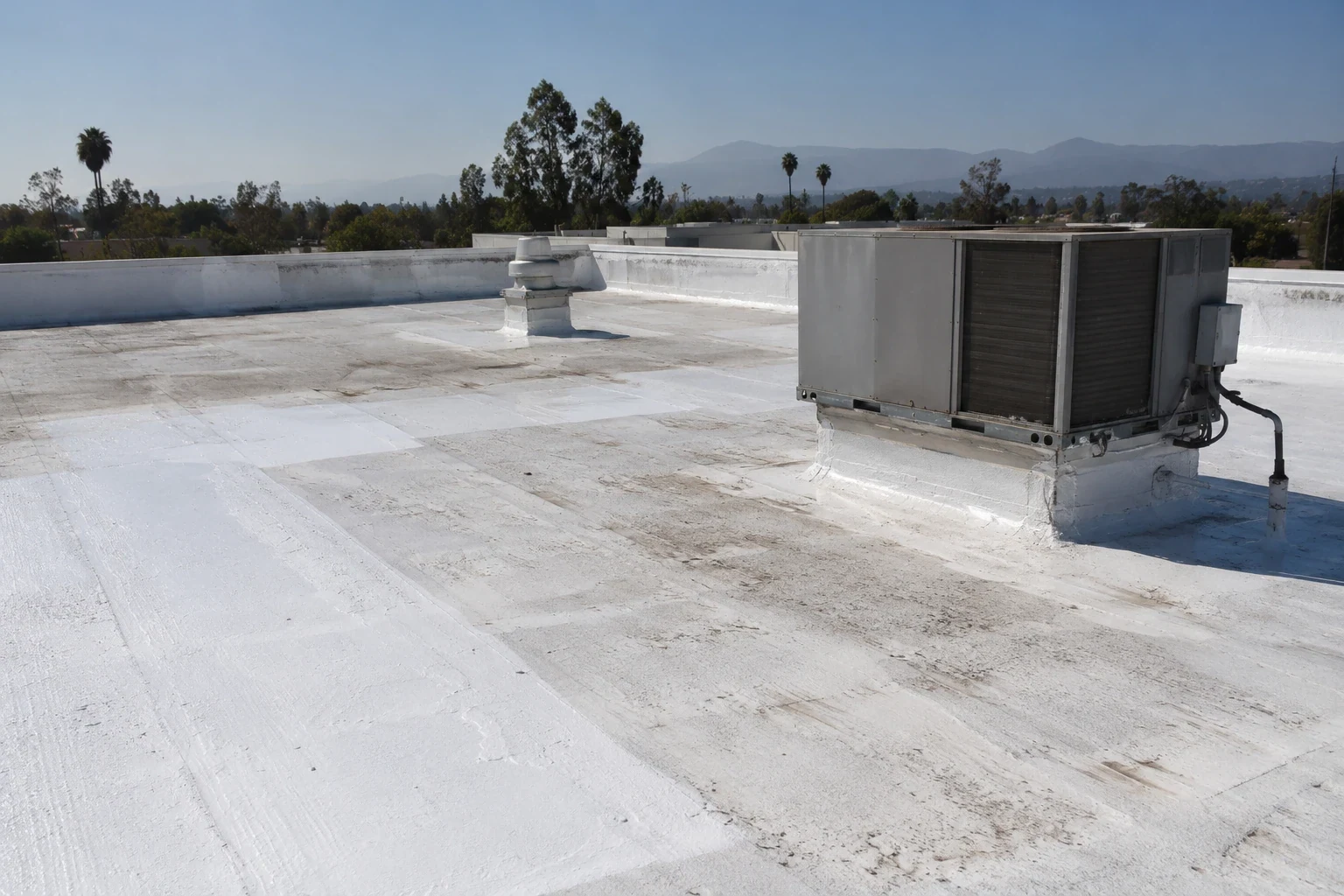
Equipment and surrounding structures can obscure the interface that a repair decision depends on. We identify the relevant question and flag a closer check where imagery leaves it unresolved. The report should distinguish observed features from unavailable detail instead of filling the gap with a conclusion. A permanent repair proposal still needs its compatible materials, preparation and supporting endpoint established. That gives facilities a practical path from captured views to actual construction, with the inspection or trade release needed before the connection is opened retained in the next work request.
Use visual findings to direct confirmation
An image can show a surface feature without establishing the layer condition beneath it. We separate visual observations from moisture or attachment questions requiring other checks. Marked locations help direct that confirmation and allow facilities to coordinate relevant access. A visible seam irregularity should not become a permanent joining quantity until the material and surrounding condition have been assessed. The observation can guide investigation, while removal, preparation and compatible connection work remain tied to the construction established rather than an unexamined conclusion from an overhead angle.
An EPDM material assessment needs existing records and direct information where the exact sheet or repair components matter. We use visual findings as part of that review without assigning product identity from an uncertain view. Provide available assembly information beside the imagery so follow-up can resolve relevant questions efficiently. Facilities can then compare a defined repair or replacement endpoint rather than select accessories from a broad apparent family. Similar surface appearance does not establish every compatible component or supporting requirement for permanent work.
Connect the observations with roof alternatives
A proposed TPO roof option requires its actual supporting section and permanent interfaces reviewed, regardless of how clearly the field area is shown. We identify construction information still needed before the alternate is priced as installed. Submit the complete section and relevant detail drawings before procurement. Facilities can then distinguish visible quantities from preparation or reconstruction caused by the selected assembly. An overhead outline does not establish suitable attachment or that each existing curb and wall connection can remain under a changed roof thickness.
Images can help organize locations across the assigned work area while each permanent connection needs an endpoint. We compare observed features with equipment and building information, then flag dependencies on another trade’s task. The follow-up request should identify lifting, mechanical or adjacent-finish work where it blocks direct assessment or installation. Facilities can coordinate those releases before opening the roof interface. This makes imagery useful to sequencing without treating broad coverage as completion of every investigation, supporting decision or permanent detail required by later construction.
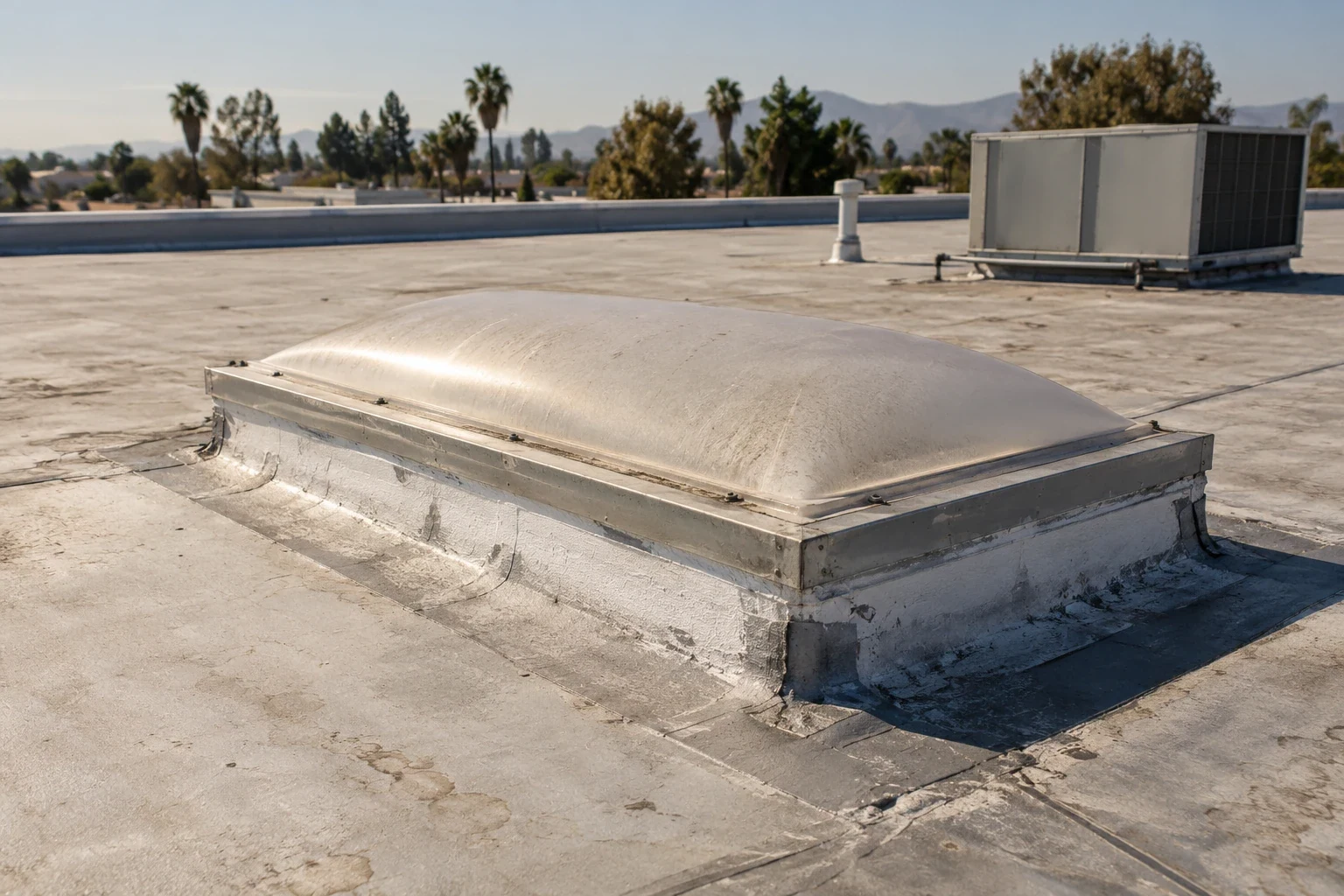
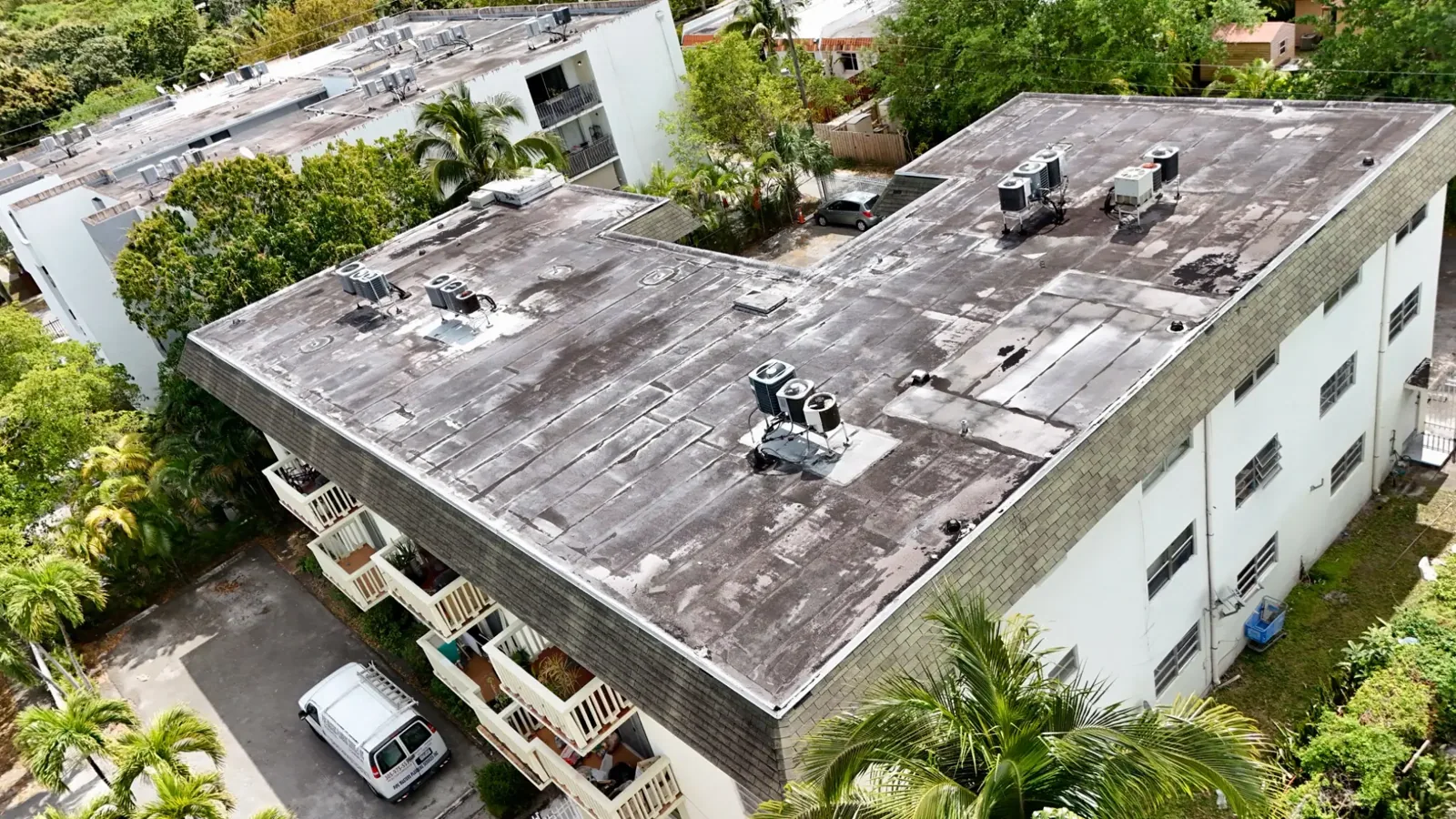
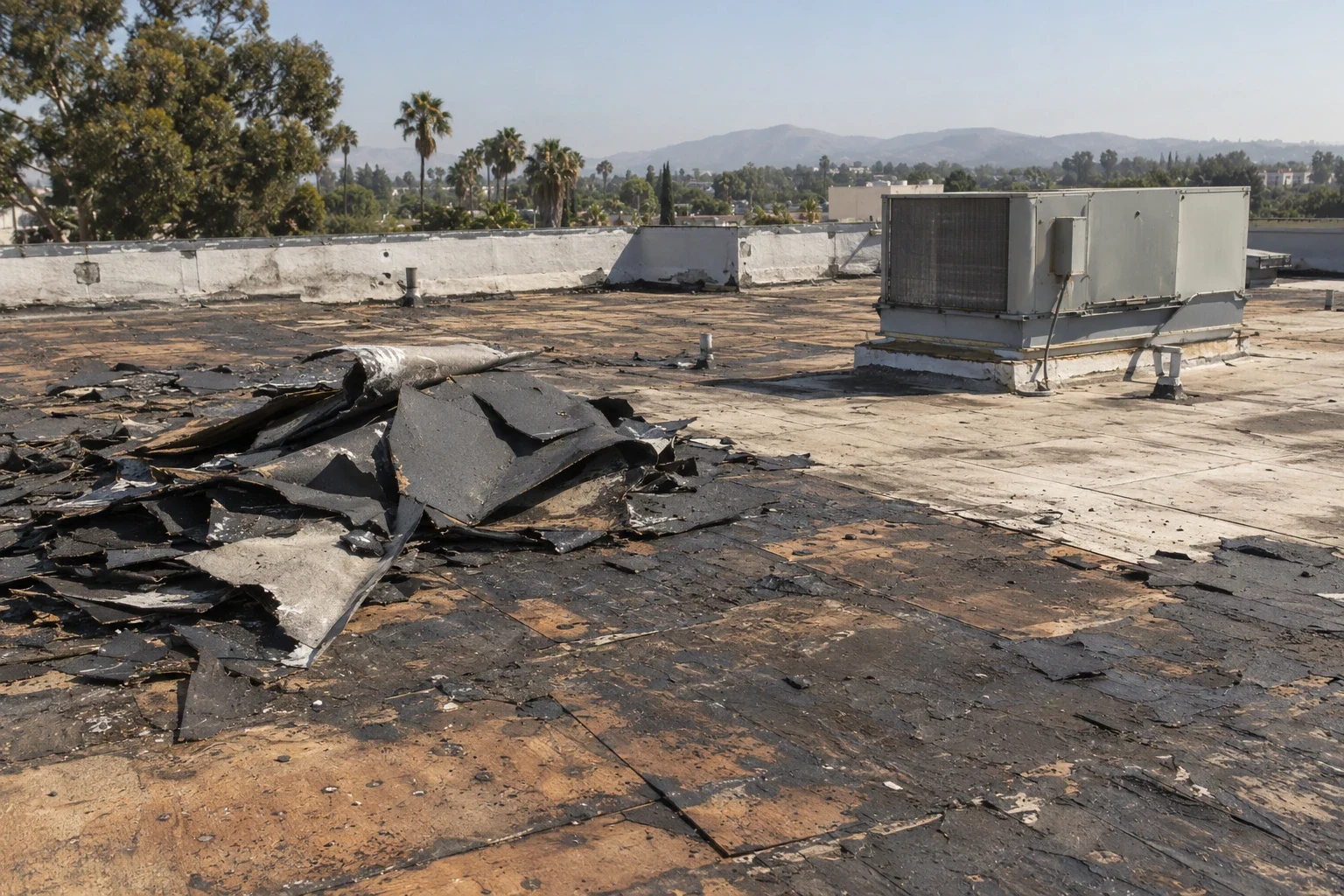
Coordinate observation with occupied operations
A visual task still needs operator coordination around the actual building use. We discuss the intended work area and relevant restrictions so observation can be arranged without assuming unrestricted site access. Share the calendar and responsible contact early enough to resolve the assigned scope. A ready imaging period does not establish that every later roof task can occur then. Facilities should keep observation, direct investigation and permanent installation as distinct endpoints with their own releases, rather than use one available site period to approve all construction without supporting information.
For a healthcare roofing assignment in Concord, identify the subject structure and its authorized access requirements before planning the work. Proposed imaging around downtown Concord buildings needs the specific operator and assigned structure retained with the visual task. We discuss relevant occupied-area and equipment requirements before arranging observation. Consistent image records can help facilities compare work requests, while each property’s capture limits and follow-up access remain explicit. That keeps another building’s route, permission or observed condition from becoming an assumed basis for the roof under assessment.
Keep imagery with its findings and limits
The final record should identify the assigned coverage, observed locations and unavailable details beside the visual findings. We explain further confirmation needed before a permanent scope can be committed. Keep those records with the maintenance log and available assembly documents so later work can follow actual observations. Facilities can then separate assigned repairs, investigation and deferred concerns instead of treating a complete image set as proof that every material, supporting layer or equipment interface has been assessed for its intended construction endpoint.
Applicable documents need their actual alteration requirements reviewed separately from imagery. We identify those tasks without promising a coverage result. Permanent application also needs its selected material and current roof conditions assessed when work is arranged; the observation date cannot establish readiness for a future installation period. In Concord Business Park and Downtown Concord, each flight still follows the building's approved access and roof plan.
Commercial Roofing Questions
What should the drone request define?
Identify the assigned roof, intended decision and visual coverage needed. We state site limits and follow-up checks before imagery is treated as a condition finding.
Can images confirm concealed moisture?
Use observations to guide appropriate investigation. An overhead view does not establish wet-layer condition or a permanent removal boundary beneath the visible surface.
What if equipment obscures a connection?
Record the unavailable detail and arrange suitable follow-up. Do not treat a hidden interface as examined when repair or procurement depends on its construction.
Can imagery select compatible repair materials?
Review actual material records and relevant direct findings. Similar appearance should not establish every sheet, accessory or preparation requirement for a permanent connection.
What should I retain after imaging?
Keep coverage, observed locations, limits and follow-up needs with the maintenance log. Distinguish visual capture from direct confirmation and later installation readiness.