Cool Roof Installation in Concord, CA
A municipal roof scheduled for renewal gives its facility director a material decision that must fit both the building calendar and the complete proposed construction. Cool roof installation in Concord, CA, starts with the actual roof section, project requirements and supporting condition. We compare the specified or proposed finish with removal, preparation and permanent detail work. Bring the roof records and applicable project documents into the request. For municipal roof construction, a surface description should lead to an assessed installed option rather than establish an automatic code conclusion or universal performance result.
For a municipal roofing assignment in central Concord, identify the subject structure and its authorized access requirements before planning the task.
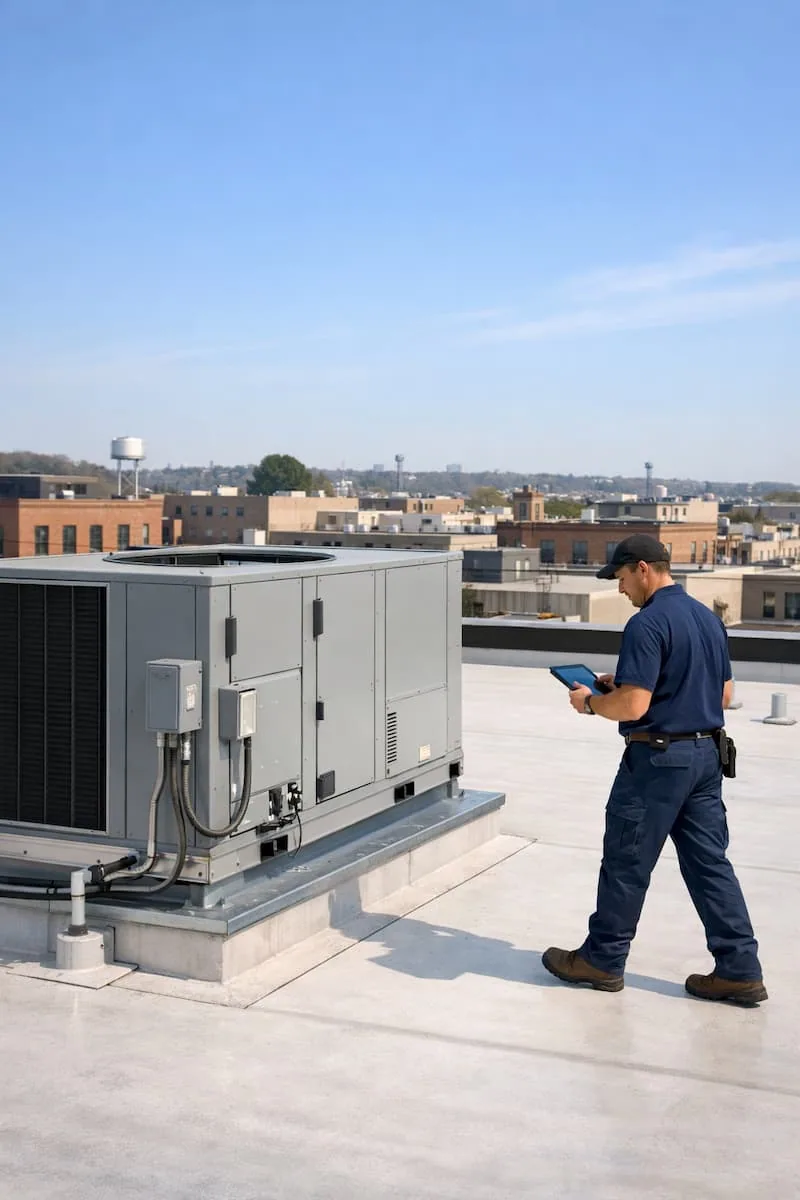
Define the proposed finish and assembly
The project needs the actual product and complete roof section identified before procurement. We describe supporting layers, attachment and permanent details beside the proposed finish, using the relevant product information and project review. Ask which requirements the option is intended to meet and retain the applicable documentation. Facilities can compare a defined assembly rather than a broad cool-roof label. Color or family terminology alone does not establish every project acceptance criterion, installed component or performance value for the construction selected.
Which requirement controls the selection?
A replacement with a defined new section should distinguish removed construction from retained material and the surface left ready for installation. We identify accessible condition and explain supporting confirmation still needed. Place those findings beside the finish choice before quantities become final. Facilities can compare complete installed endpoints without allowing a material preference to decide which concealed layers stay. Supporting condition remains an actual construction question, with retention and preparation reviewed before the relevant orders and occupied-area releases are committed.
Compare complete installed options
A proposed TPO roof assembly requires its actual material information and compatible details for review. We compare field construction with attachment and surrounding interfaces, then identify preparation that belongs in the installed scope. Bring the full section before the component order. Facilities can assess an option with supporting work clear instead of a membrane figure carrying unspecified transitions. The family name can organize the choice while product-specific evidence establishes the actual documented characteristics and project acceptance basis.
A PVC assembly offered for comparison should preserve the same permanent roof endpoint and show its own construction tasks. We describe differences in materials, preparation and joining without treating similar surface descriptions as proof of interchangeability. Submit the actual alternative for relevant acceptance before purchase. Facilities can then explain the selected scope with field and detail obligations together. A lower sheet allowance is only a meaningful comparison when supporting construction and permanent connections are carried to the same assessed endpoint.
Confirm support before surface installation
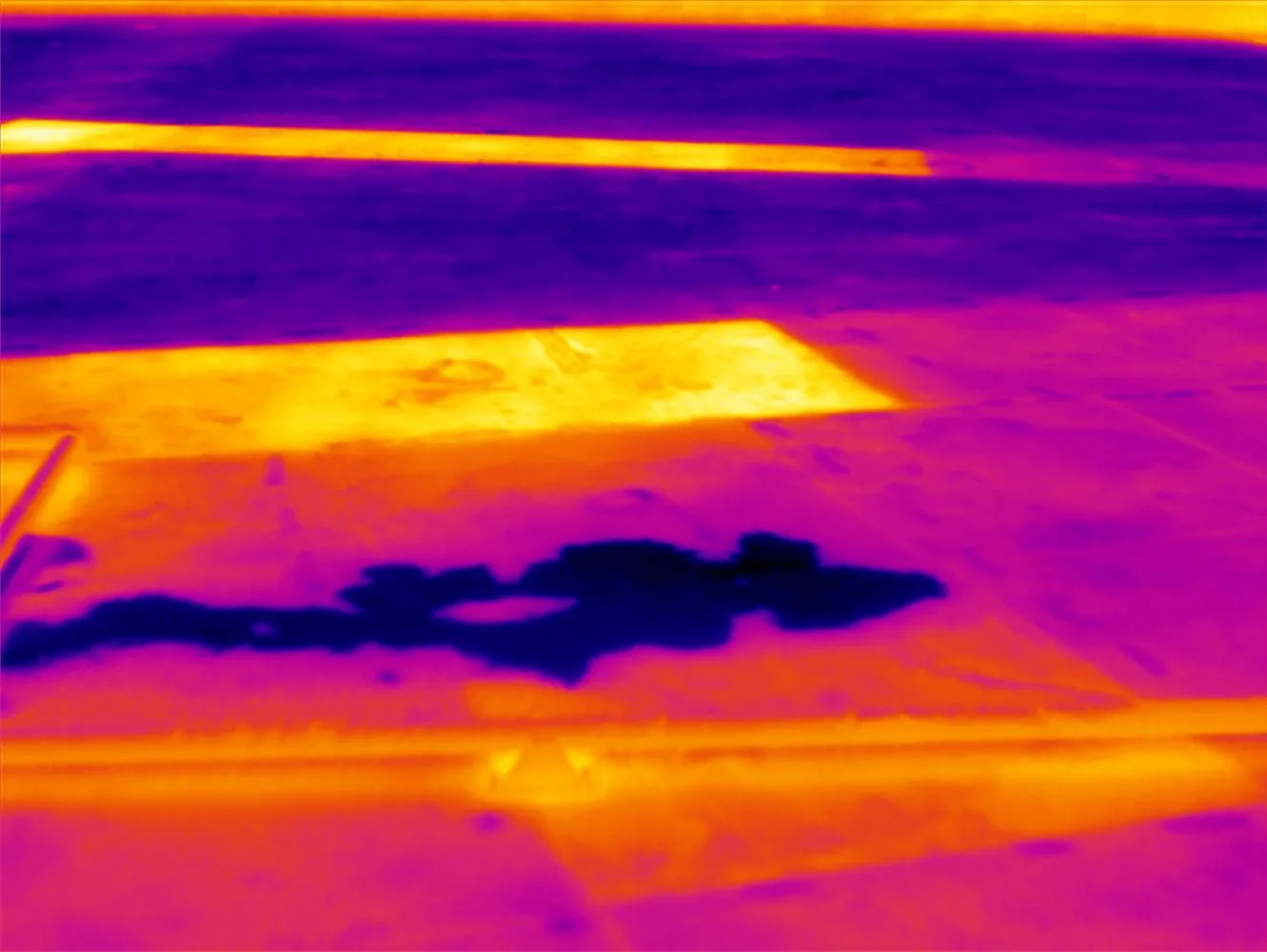
Suspected wet material needs appropriate examination before its removal or retention is approved. We distinguish observed symptoms from confirmed supporting condition and describe the additional checks relevant to the selected construction. Facilities should arrange that work before final quantities depend on existing layers remaining. A new upper surface does not remove damp insulation below it. The scope should retain disposal, replacement layers and transitions where findings establish them, instead of letting an appearance or finish objective replace the supporting repair decision.
Would a restoration treatment provide an assessed alternative to new membrane construction? It needs its own substrate suitability, compatible system and permanent repair scope. We compare the proposed endpoints rather than equate treatment area with replacement area. Facilities can review preparation and supporting correction with the actual material choice. An upper application cannot establish the condition of every layer beneath it, so unresolved substrate or moisture questions should stay visible until confirmation supports the chosen retention and installation basis.
Fit detail changes into the calendar
A revised roof thickness can change curbs, wall terminations and outlet connections even when the field outline remains the same. We compare accessible elevations with the selected assembly before reconstruction is priced. Ask for the relevant drawings and adjoining-trade responsibilities while options are still under review. Facilities can coordinate changed details before the roof opens, keeping equipment releases and protection attached to actual work. A surface material choice should not silently leave these supporting changes outside the installed allowance or assume every existing connection can remain.
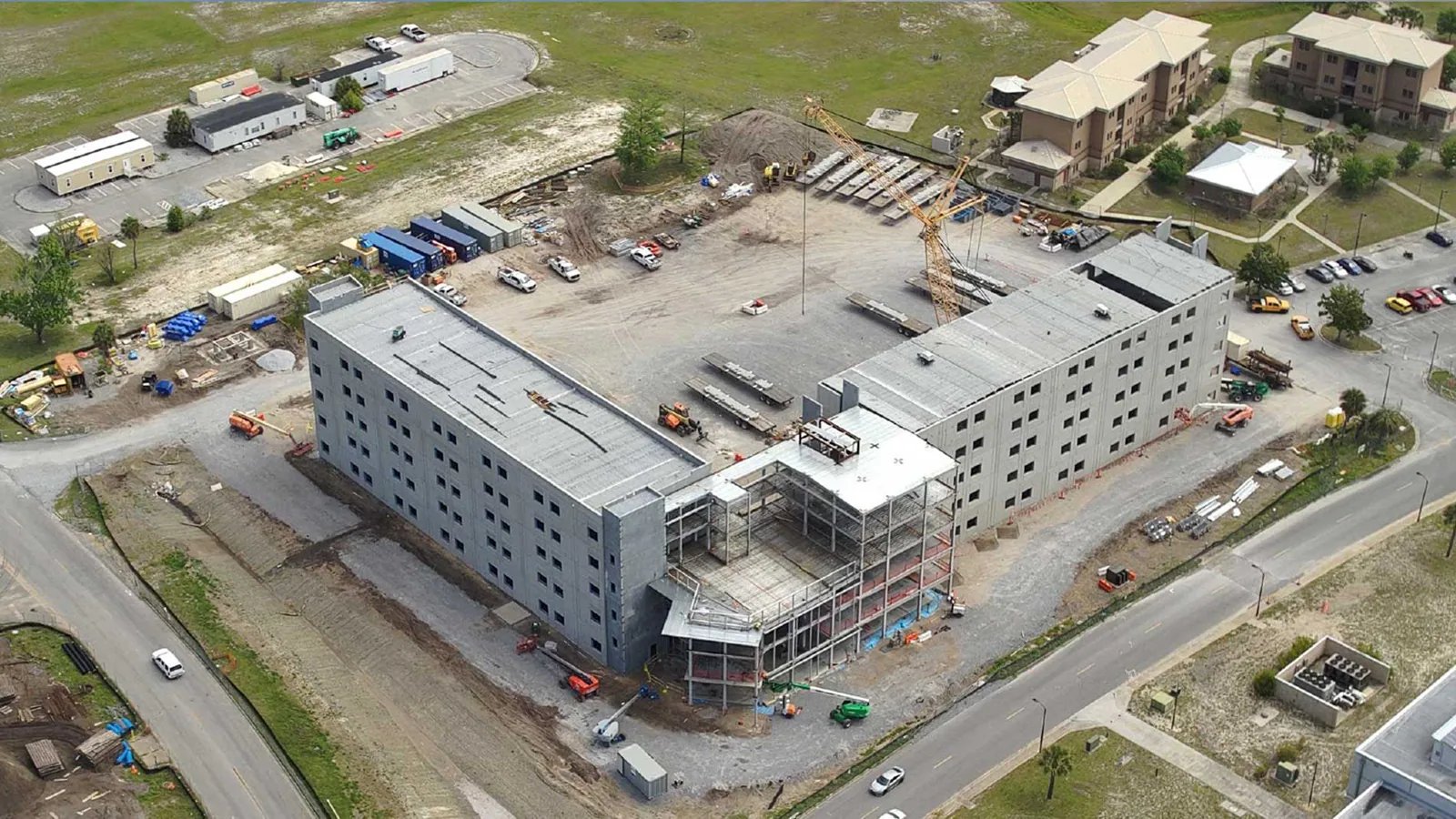
For a healthcare roofing assignment in Concord, identify the subject building and operator's access requirements before planning the task.
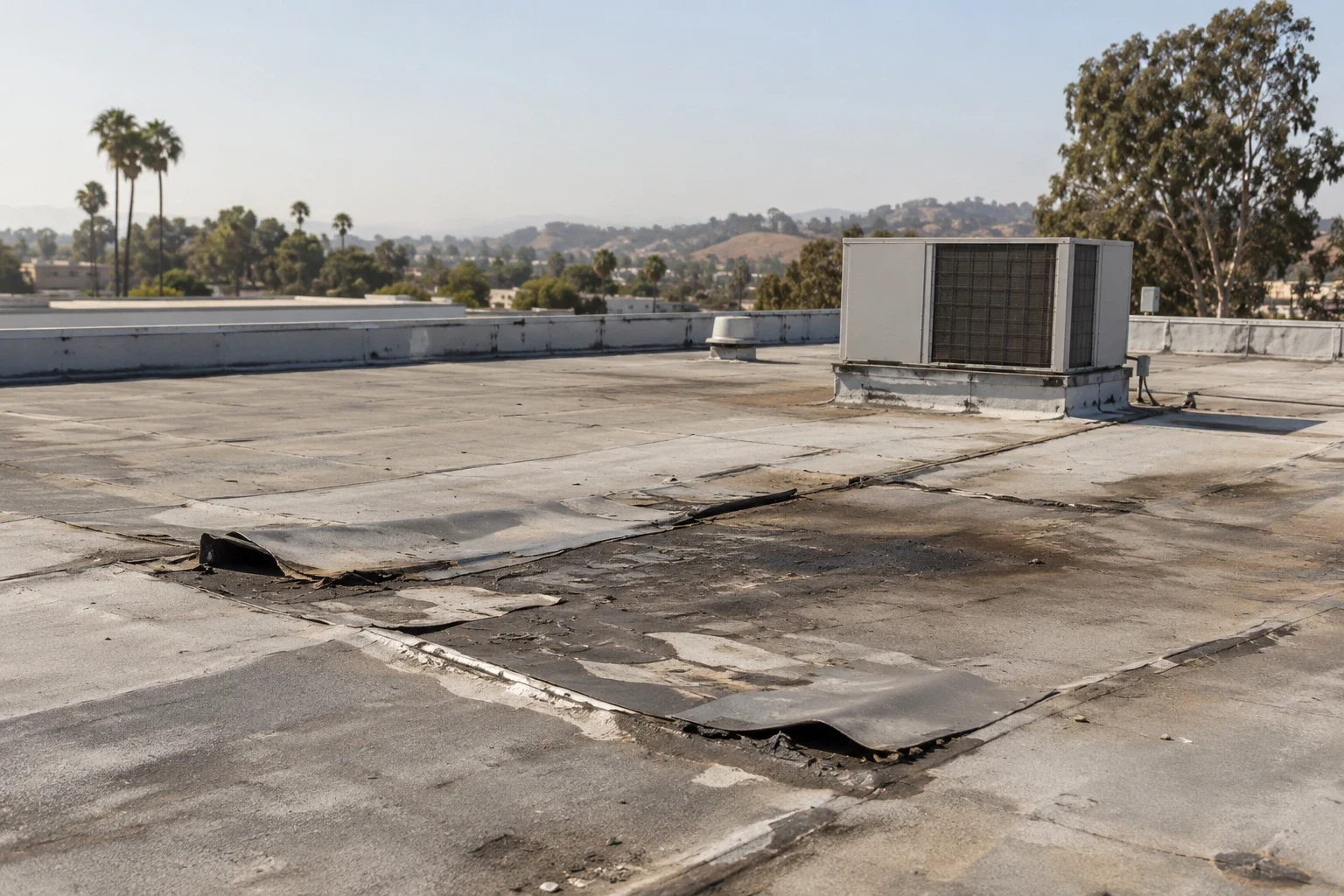
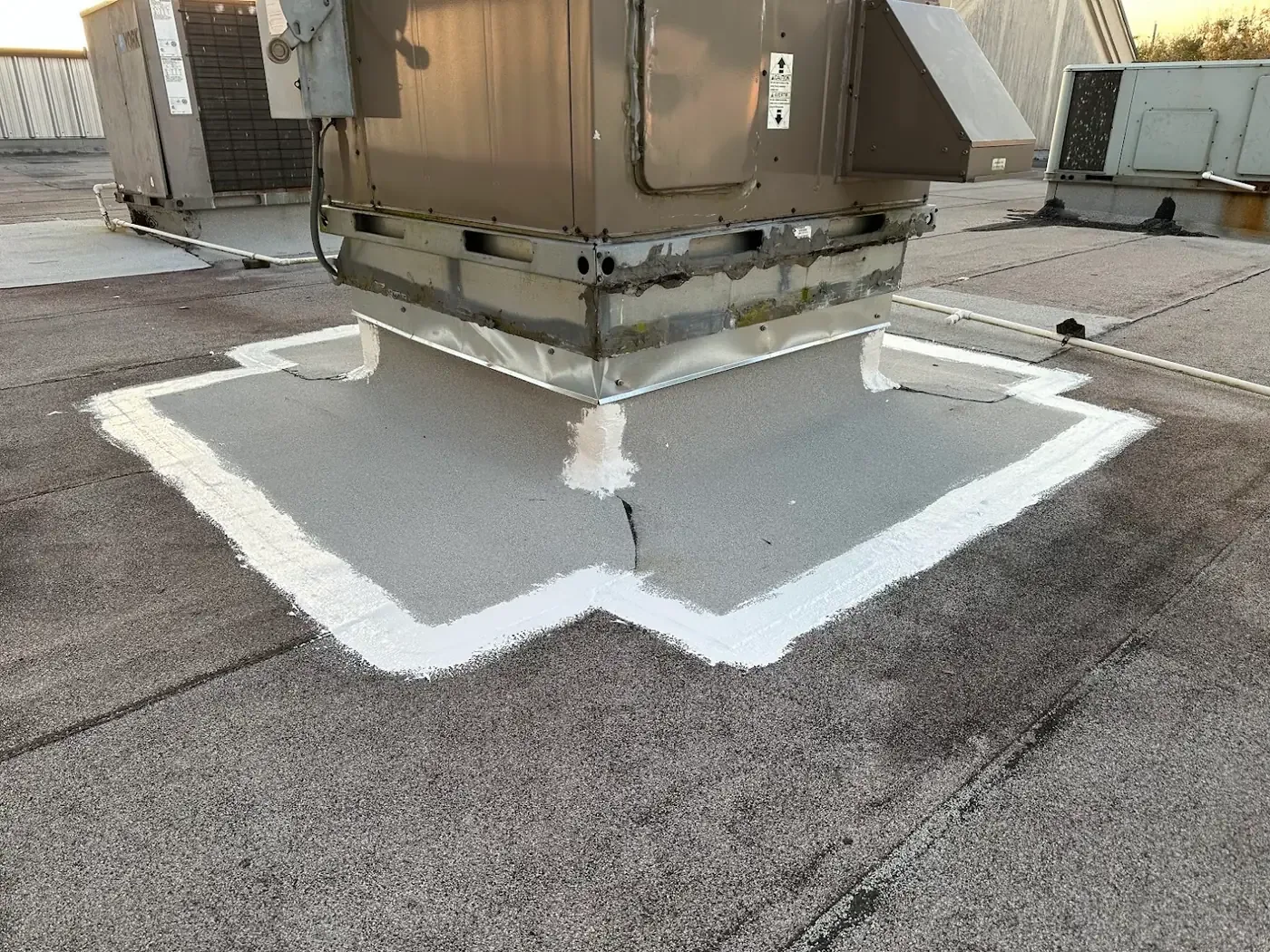
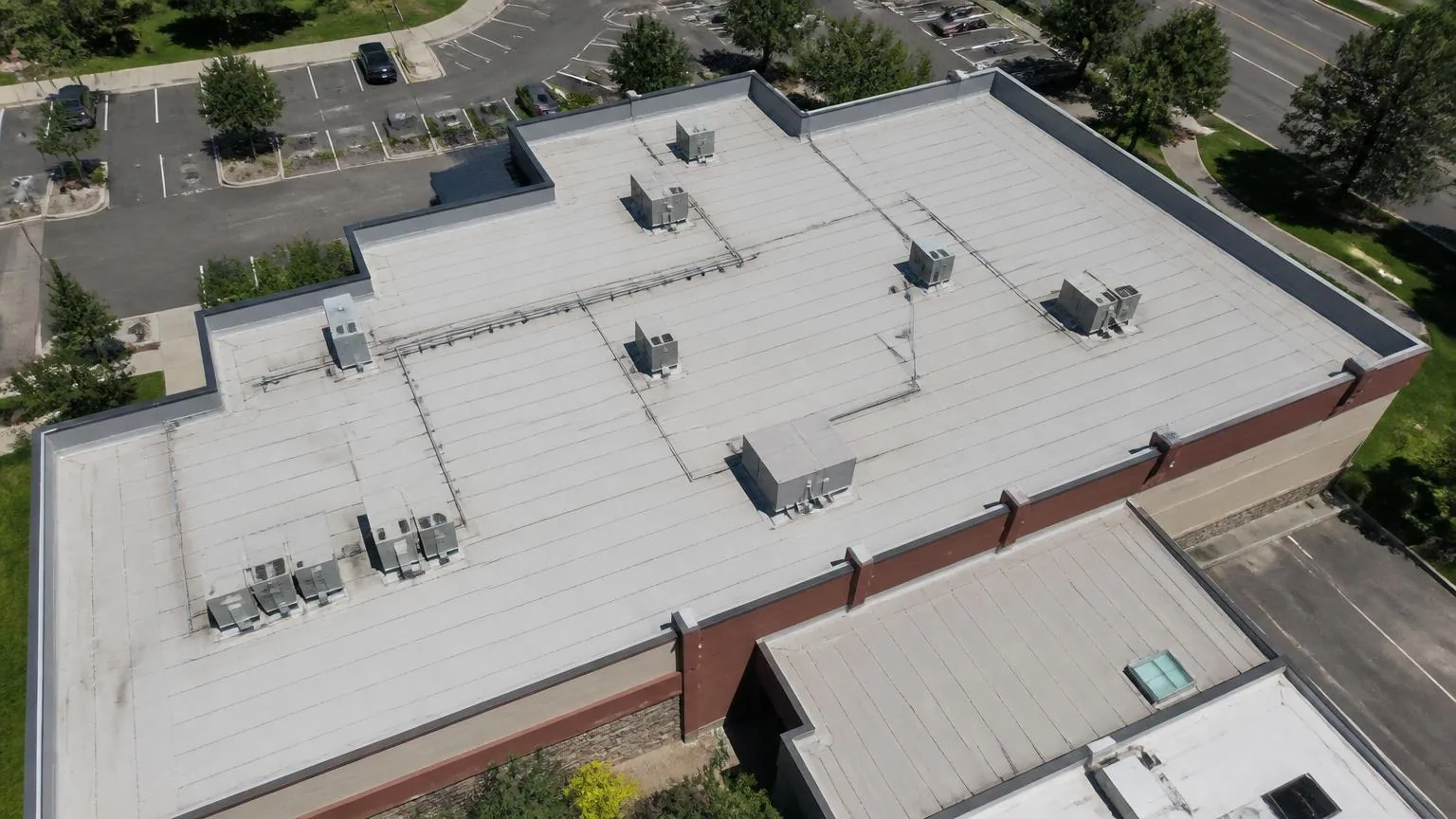
Retain the actual installed record
Permanent installation requires suitable current conditions for the selected materials and surface. We assess preparation and component readiness before joining work, with blocked details or unavailable equipment interfaces identified in the sequence. An accepted finish does not make every roof connection ready. Facilities should coordinate the daily opening and closure from actual construction requirements. Where access is phased, retain the additional preparation and tie-in tasks explicitly rather than compare an unrestricted field-labor assumption against the building’s separately released occupied zones.
The handoff should identify installed materials, supporting repairs and permanent details completed, with agreed project checks and relevant product documents. We discuss those record tasks before pricing. Applicable warranty terms need their actual notice and alteration requirements assessed without a promised outcome from the roof family or finish. Maintenance expectations also follow the selected construction and project documents. Facilities can retain a clear installed scope, with unresolved concerns and adjoining-trade tasks separated from completion of the assigned roof surface.
Compare the finish with the whole roof assembly. A reflective finish is one selection in a roof assembly, not a substitute for reviewing its insulation, drainage and details. Ask for the proposed product's reflectance and emittance data, warranty conditions and substrate limits, then compare those requirements with the existing roof and the owner's energy goals. A coating may need less disruption than replacement, but only where its substrate and adhesion checks support that option. Concord's warm, dry summers make solar exposure relevant; the decision still depends on the actual assembly and project criteria. Carry surface preparation, repairs, thickness verification and protected transitions in the same scope so the installed result can be checked against the selected system rather than its color alone.
Compare performance data with the owner objective. A cool-roof selection can be driven by energy goals, roof temperature, maintenance or a project specification. Ask for the proposed product's tested reflectance and emittance values, the rating method and the surface condition required to keep those values meaningful. Compare them with the existing roof, planned insulation and any local energy requirement rather than use a light color as proof of performance. A reflective coating and a new membrane also carry different preparation, repair and warranty obligations. Concord's warm summers make solar exposure relevant, but the best option still depends on the full assembly and the owner's goals. For buildings in Downtown Concord and Concord Business Park, have the proposal list surface repairs, edge details, application checks and future inspection needs. That lets facilities weigh expected performance against the work required to achieve it.
Commercial Roofing Questions
What should establish the cool roof option?
Identify the actual product, complete assembly and applicable project requirements. Review relevant documentation before the material order rather than rely on color alone.
Does a finish choice determine retained layers?
Assess supporting condition and the selected assembly. Keep moisture, attachment and preparation questions separate from the proposed upper-surface characteristics.
How should two options be compared?
Carry both to the same permanent construction endpoint. State changed materials, supporting tasks and compatible details before relevant project acceptance.
Can restoration be considered instead?
Review its substrate suitability and actual system requirements separately. Compare completed preparation and repair endpoints rather than only application and membrane areas.
What should remain after installation?
Retain actual material and construction records with agreed checks. Review maintenance and warranty documents independently from the selected finish label.